- Home
- About the SADC
- Farmland Preservation
- Appraisals
- TDR
- Right to Farm
- Right to Farm Act
- Eligibility
- AMPs
- Conflict Resolution
- Formal Determinations
- Rules
- Resources
- Agricultural Mediation
- Farm Link
- Next Generation Farmers
- Statutes/Rules/Policies
- Forms and Applications
- Rule Proposals
- Publications,Guidance,Videos
- News

The Right to Farm Act protects responsible commercial farms from public and private nuisance actions and unduly restrictive municipal regulations. In the event of a dispute, an individual or municipality aggrieved by the operation of a commercial farm is required to file a formal complaint with the appropriate County Agriculture Development Board (CADB), or the State Agriculture Development Committee (SADC) in counties where no CADBs exist, prior to filing action in court. The Right to Farm Program has a formal conflict resolution process to help farmers, neighbors, and municipalities resolve such disputes. Parties involved in a dispute may also take advantage of the SADC's free Agricultural Mediation Program. This program offers a more informal way to resolve conflicts. The mediation process is voluntary, involves a trained and impartial mediator, and typically consists of one or two short mediation sessions. Because the mediator has no decision making authority, successful mediation is based on the voluntary participation and cooperation of all parties. The SADC coordinates the Right to Farm Program in partnership with New Jersey's eighteen CADBs.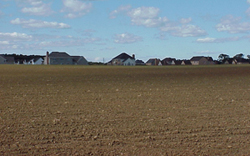 The Right to Farm Program works with and educates farmers, residents, and municipalities about the Right to Farm Act, the Act's formal conflict resolution process, and additional strategies for resolving agriculture-related disputes and supporting a positive agricultural business environment.
To learn more about Right to Farm, see the
You can also browse the links in the green menu bar and contact your CADB or the SADC.