 Official Site of The State of New Jersey
Speakers Bureau
The New Jersey Commission on Holocaust Education's Speakers Bureau is a group of trained speakers who are available to go to New Jersey Schools and/or organizations to educate on the Holocaust, Genocide and Human Rights. If you are interested in having one of our speakers at your school or organization, please email the Holocaust Commission at holocaust@doe.nj.gov
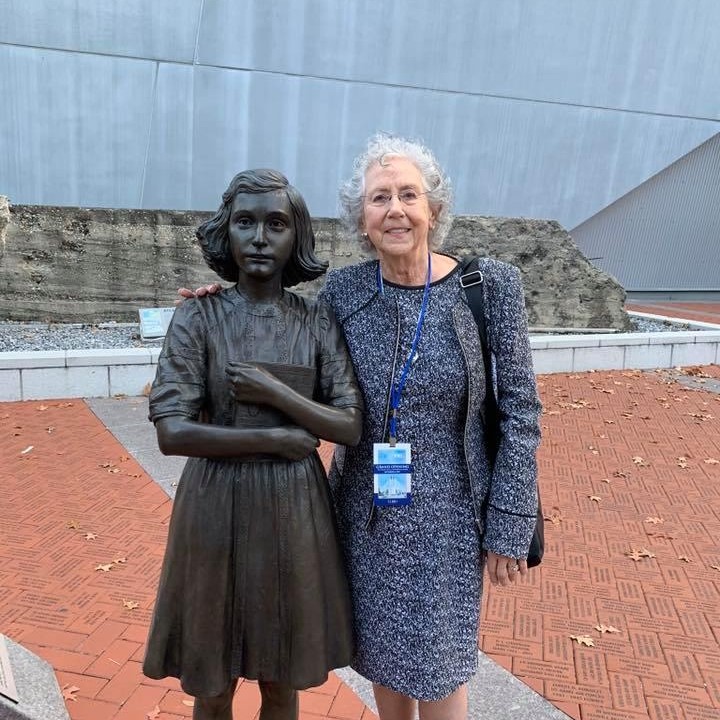
Of the 1.6 million Jewish children who lived in Europe before WW2, only 100,000 survived the Holocaust. Most were hidden children. Maud Dahme was one of those children, hidden from the Nazis by Righteous Gentiles in the Netherlands. Maud's story is the story of hope, courage, and bravery and will inspire all who hear it.
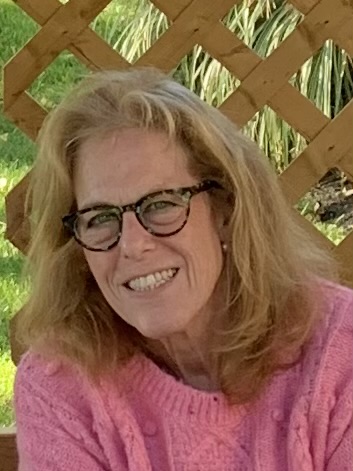
I grew up amongst Holocaust survivors in Montreal, Canada. Every family has a story. My family’s story is a story of survival, persistence, and love. It is universal yet uniquely personal.
Two wounded Holocaust survivors fell in love, created a family, and passed on a complex legacy. My father escaped Königsberg, Germany for British Mandate Palestine in 1935. My mother was deported to Auschwitz from Transylvania in 1944. Since I retired from teaching middle school language arts, I share this story to honor my parents’ memory and to educate people of all ages of the lasting effects of genocide.
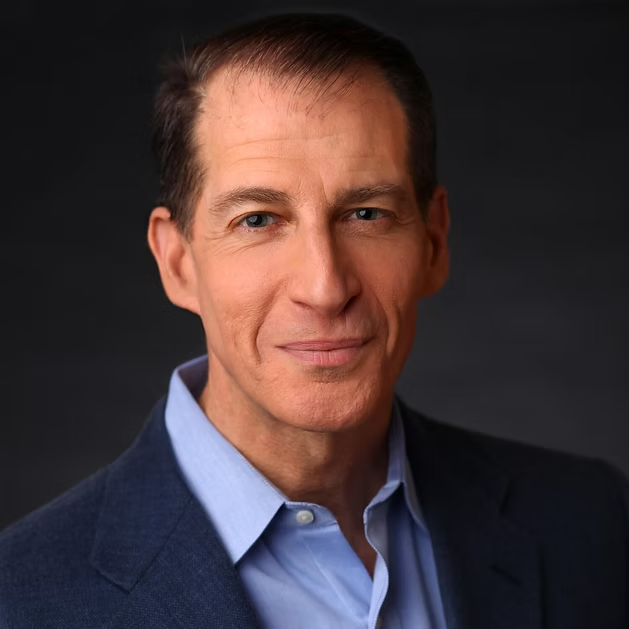
Allan is the son of Rena Margulies Chernoff, who was a Holocaust survivor and one of the very few children to come out of Auschwitz-Birkenau alive.
Allan’s moving testimony about his mother and the town she was raised in, Tomaszów, Poland, is filled with inspiring themes of courage, tragedy, luck, and resilience. Tomaszów had a thriving Jewish population of approximately 14,000, which was about ⅓ of the town’s population. Many of these people, like Rena’s father, made their living as tailors or seamstresses. Because Allan’s grandfather was a master tailor, this, at first, saved Rena’s family as his skill was desperately needed as slave labor. However, as time went on, this talented skill could not keep the family safe, and they were sent to Auschwitz-Birkenau. Only Rena and her mother survived the horrific death camp. They were two of the approximately 250 people who survived the Holocaust from the town of Tomaszów. Rena and her mother eventually made their way to America and made a life for themselves after the trauma and loss that they had suffered. Allan will lead you through his family’s personal testimony as well as talk about the town of Tomaszów and what became of a once-thriving Jewish community in Eastern Europe.
Allan is an award-winning journalist who served as a senior correspondent at CNN for 11 years. Furthermore, before his mother passed, they co-authored a book together entitled - The Tailors of Tomaszow: A Memoir of Polish Jews.
To learn more about Allan Chernoff and The Tailors of Tomaszów, visit Allan Chernoff
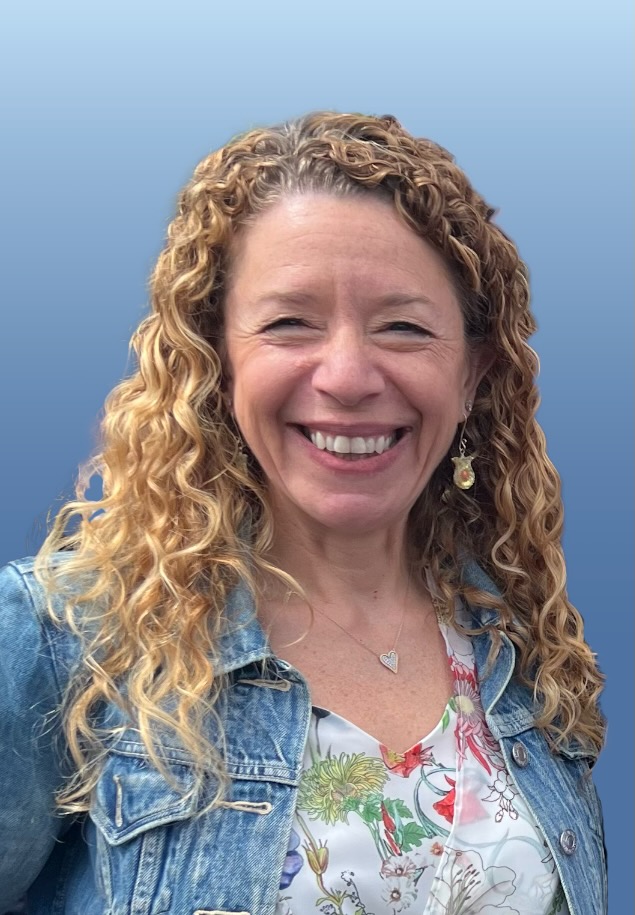
Amy Goodman is the oldest granddaughter of four Holocaust survivors – Esther and Joseph Krosberg and Nathan and Celina Lieberman. Growing up, their stories were woven so deeply into her family life that, as a child, she assumed all Jewish grandparents were survivors. Amy is on the board of 3GNJ – Grandchildren of Holocaust Survivors, as well as its parent organization Descendents of Holocaust Survivors. Through these groups, she shares her grandparents’ stories to students and community members all over NJ and NY.
Amy’s presentation centers on the extraordinary story of her grandfather, Joseph, who survived five years in three concentration camps, including Auschwitz. During the Holocaust, nearly all of Joseph’s family was murdered, including his mother, Shayndl, who had been his only immediate family member. Joseph’s story is both powerful and deeply inspiring. After narrowly escaping death numerous times, he went on to rebuild his life and, during his lifetime, share his testimony so that future generations could learn from his experiences.
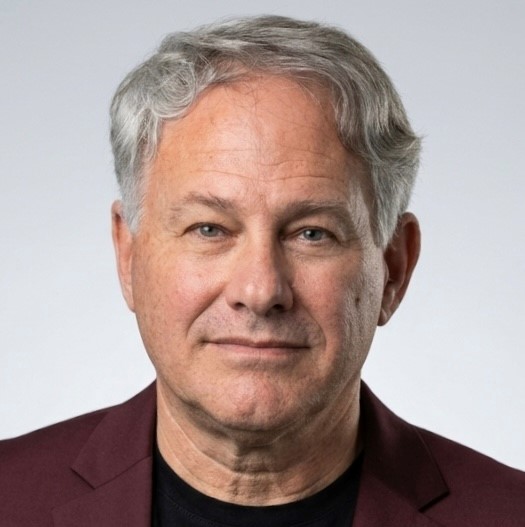
Sandy J Greenberg is the son of two Holocaust survivors. His father, Samuel Leon Greenberg, was from Pultusk, Poland, and his mother, Toby Greenberg, was from Kolomejia, Poland, which is now part of Ukraine. Sandy’s story primarily focuses on his father’s survival during the years 1939-1949. The testimony Sandy shares about his father is filled with bravery, tragedy, hope, and resilience. From his town of Pultusk, where Jews made up approximately 45% of the population, Sandy’s father, Samuel, and his family were forced with thousands of other Jewish families into the overcrowded and unsanitary Warsaw Ghetto. From there, he was deported and took a cattle car to the horrifying Auschwitz-Birkenau Extermination Camp. Samuel survived this harrowing ordeal and was eventually liberated and emigrated to the United States, where he and Toby began a family, and Sandy was eventually born. During his presentation, Sandy discusses learning about his family’s Holocaust story as an adult, and the impact that had on him. To honor his family’s legacy, Sandy serves on the Executive Board of the Stockton University Holocaust Resource Center.
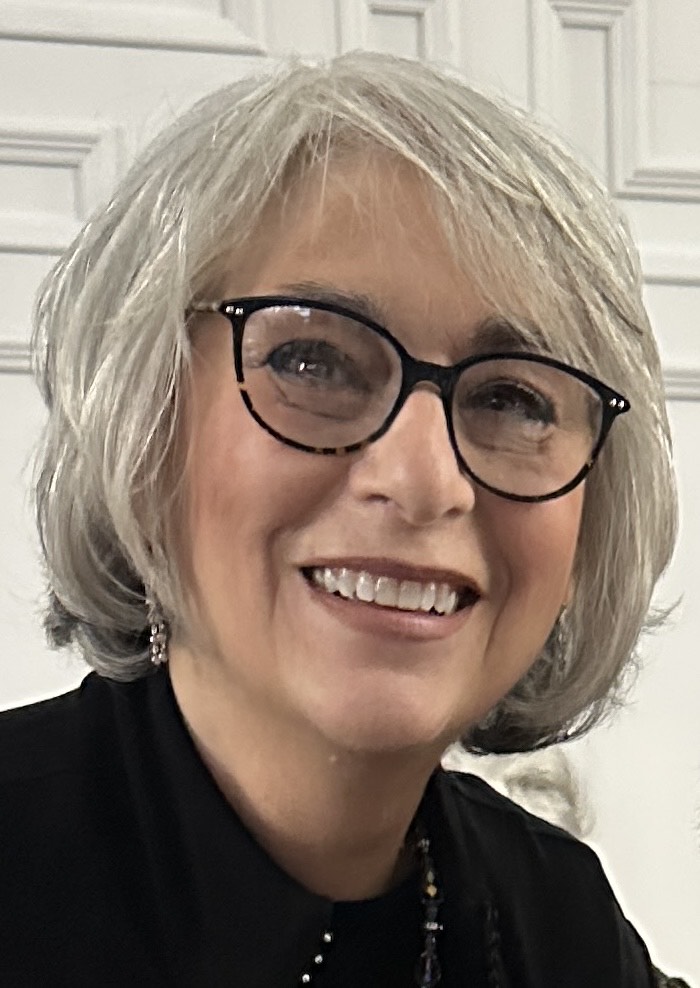
Susan Arpajian Jolley, a retired English teacher, is the granddaughter of survivors of the Armenian Genocide. She and her brother, Allan Arpajian, co-authored Out of My Great Sorrows: The Armenian Genocide and Artist Mary Zakarian, a biography of their aunt, which received the 2019 Minas and Kohar Tölölyan Prize for Contemporary Literature. She subsequently partnered with scholars from Stockton University to develop The Armenian Genocide, One Family’s Story, a multi-dimensional exhibit, based on her book, that recounts her family history as situated within current Armenian Genocide scholarship. This exhibit has traveled to multiple NJ universities since its inception in 2022.
In her speaking engagements, Mrs. Jolley focuses on the story of her maternal grandmother, Arek Zakarian, a genocide survivor, and that of Arek’s daughter, Mary, an artist who suffered from inherited trauma. In addition, Mrs. Jolley sees her family’s experiences as both specific and universal, and speaks about the impact of human rights abuses and the need to do what we can to make the world a safer place for all people.
 Igor Kotler is a member of the New Jersey Commission on Holocaust Education. He served as a historian at Survivors of the Shoah Visual History Foundation and at the Museum of Jewish Heritage. He is the President and Executive Director of the Museum of Human Rights, Freedom and Tolerance and is a Visiting Research Fellow and Director of the US-Russia-Former Soviet Union Dialogue Project at the Center for the Study of Genocide and Human Rights at Rutgers University, Vice Director of the International Council for Diplomacy and Dialogue and Senior Research Associate at the International Educational and Research Center of the Holocaust and Genocides History at the Russian State University for the Humanities in Moscow.
Igor speaks about the Jewish experience in the Soviet Union, how the Jews resisted the Soviet anti-Semetic policies and struggled for immigration. He also speaks about the origins of anti-Semitism and modern anti-Semitism in the United States and the world and his work with USC Shoah Foundation and the preservation of memory through video interviews.
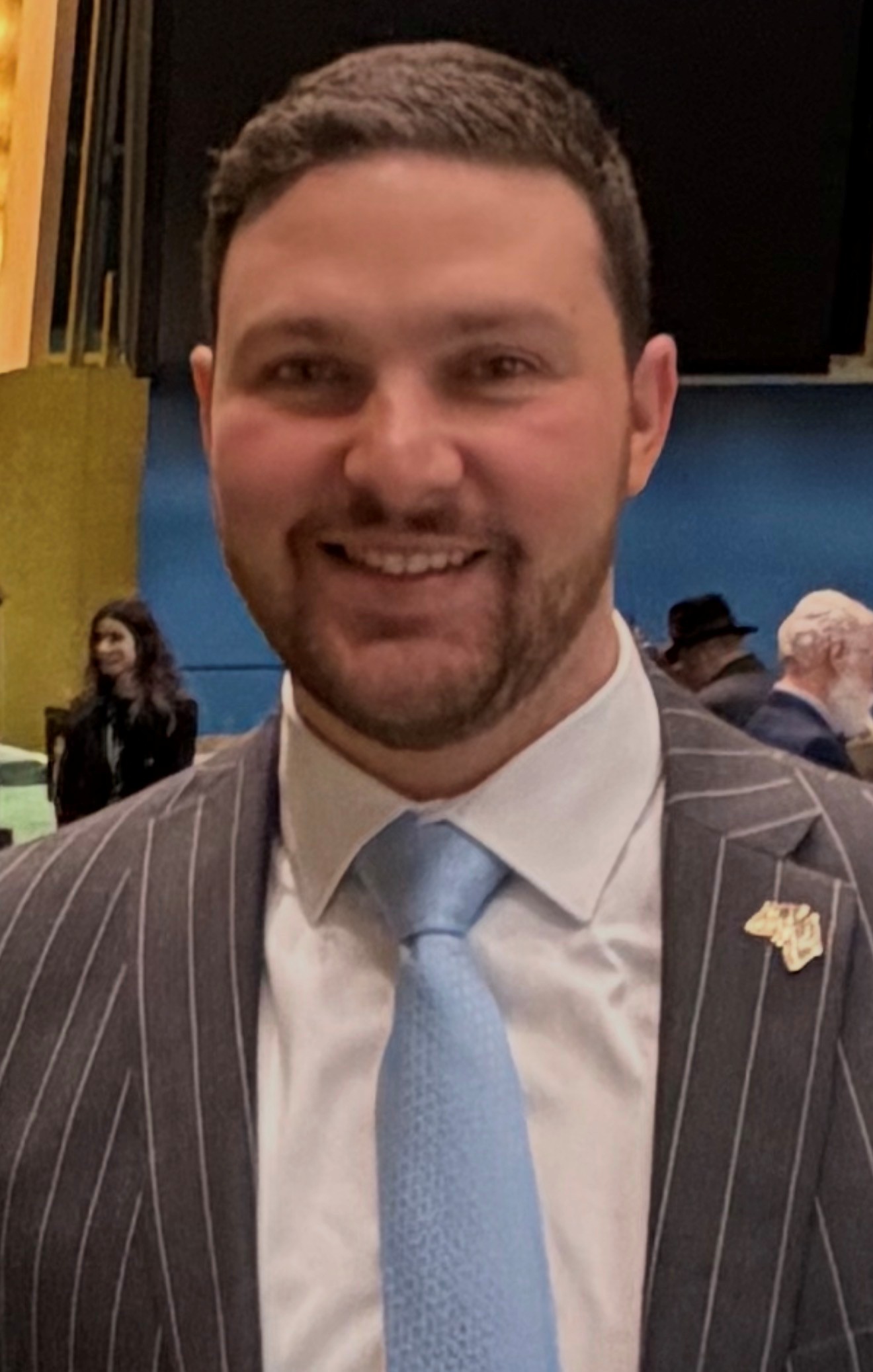
Alex is the grandson of Cecile and Edward Mosberg, who both survived the Holocaust. However, Alex’s story primarily focuses on his grandfather, who was an outspoken advocate for Holocaust education until he passed at age 96. Ed was only 13 years old when the Nazis stormed into his hometown of Krakow, Poland, in September 1939. Ed’s family was forced to live in the Krakow Ghetto and was eventually deported to labor and concentration camps. Ed, along with his mother and his sisters, was sent to the Płaszów labor camp, where he witnessed atrocities committed by the camp’s infamous commander, Amon Goeth. From there, Ed and his family were sent to Auschwitz. Ed was eventually deported to the Mauthausen camp in Austria and also did slave labor in Linz, Austria. After the war, Ed was reconnected with Cecile, whom he met while in Płaszów. The two married and immigrated to the United States in 1951. Here, they made a life for themselves even after all the trauma and loss they had suffered, and were married for 72 years. Their proud grandson, Alex Levine, will guide you through his grandfather’s inspiring testimony of luck, courage, loss, and resilience.
In October 1943 my mother, ”Esther Terner Raab” took on the Nazis in a daring and dangerous revolt in Sobibor, a death camp in Eastern Poland. She and I have dedicated our lives teaching children around the world what happened there.
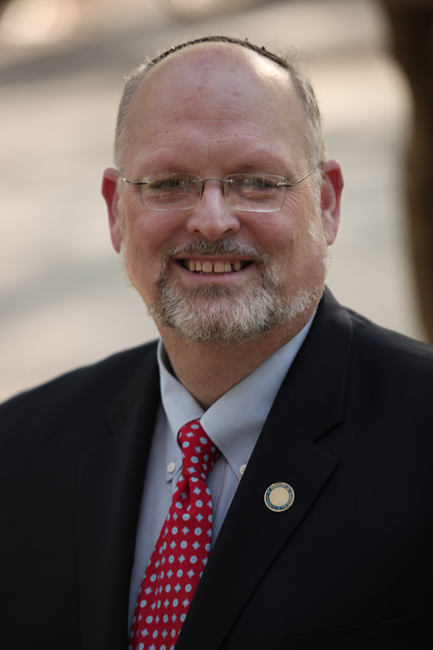
My parents and their families were from the Maramures region of Romania (just outside of Sighet). With the spread of Nazism into that part of Europe in the early 1940’s, life became increasingly difficult, culminating in the creation of a Jewish ghetto and ultimately deportation to Auschwitz in April-May 1944. The overwhelming majority of those transported to the camps did not survive. Being an only child of concentration camp survivors, my upbringing was certainly a unique experience. Now that I am fortunate to have teenage (and younger) grandchildren in high school (and elementary school), I have come to the realization of how important Holocaust education is – wherever, whenever and to whomever it can be appropriately provided.
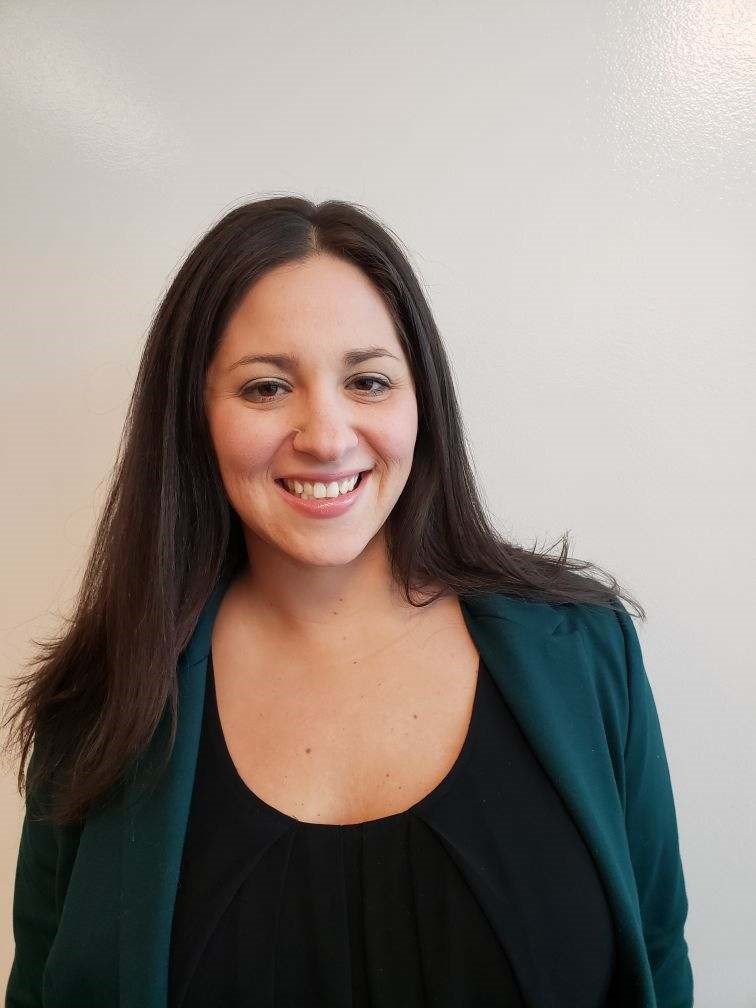
Elyse Wolff is the granddaughter of two Holocaust survivors, Yolan and Joseph Lichtman. Knowing that she is a descendant of survivors has greatly impacted Elyse’s life. Since 2017, Elyse has served as an appointed Commissioner to the New Jersey State Commission on Holocaust Education, and she is a co-founder of 3GNJ, an NJ-based group of grandchildren of Holocaust survivors who are passionate about ensuring that their family members’ stories of survival continue to be heard.
Elyse’s presentation focuses on her grandmother’s amazing story of survival, including her time in the Satu Mare ghetto and escaping death more than once at Auschwitz. More than half of her grandmother’s family was killed during the Holocaust, but Elyse’s grandmother and one of her sister’s managed to stay together while at Auschwitz and later during a death march as the Allied Forces were closing in on the Nazis. Elyse has presented to dozens of audiences, and it is her mission and honor to continue sharing her grandmother’s story.
3GNY - Descendants of Holocaust Survivors
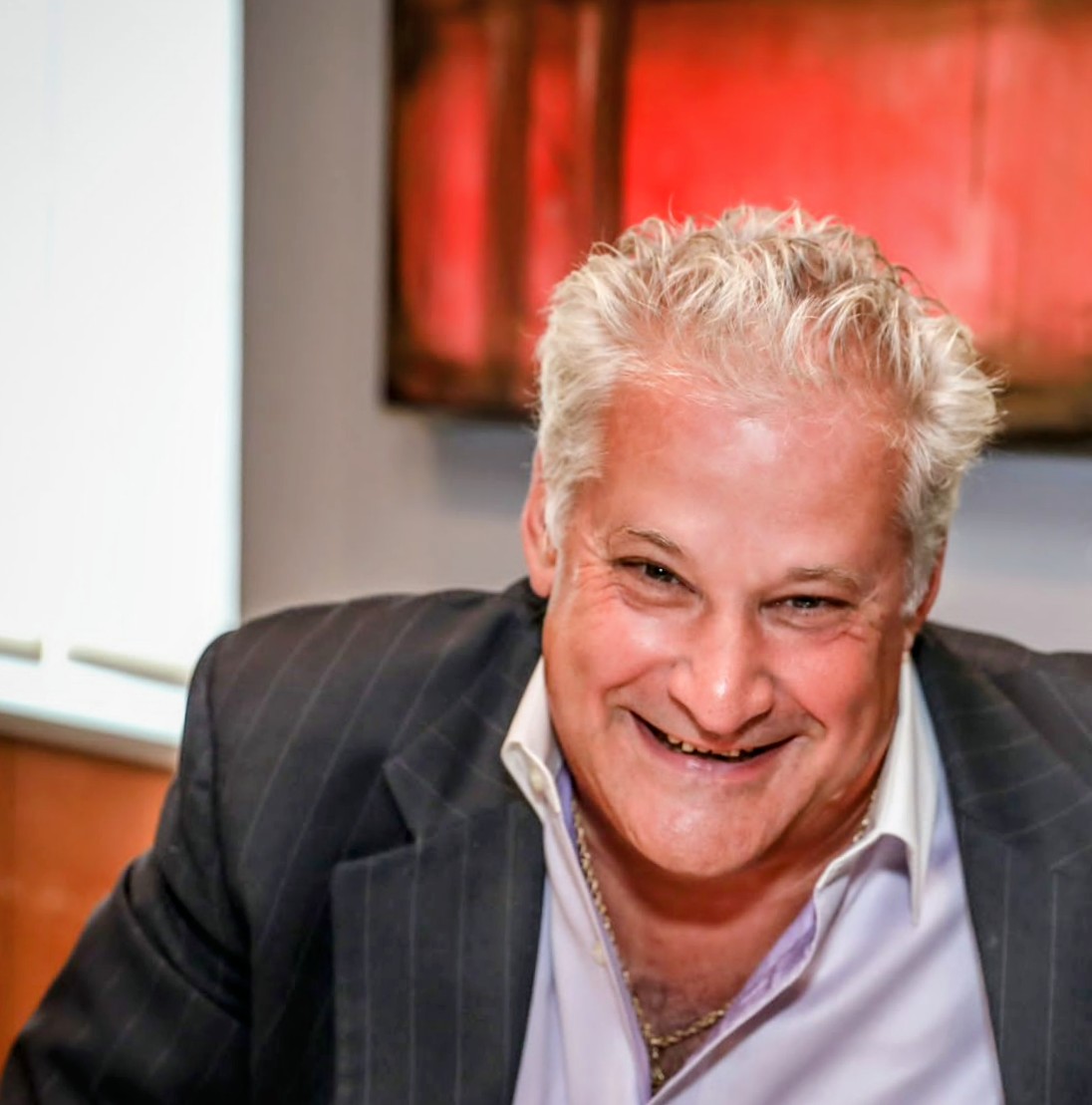
Jeff is the son of Shelly Zeiger, who survived the Holocaust in the small village of Zborov, Poland (in today’s Ukraine) by being hidden by a kind, local man who was seen as the “town fool.” Jeff’s miraculous story about his dad and family is filled with inspiring themes of courage, luck, resilience, and the difference that one person can truly make. Shelly, Jeff’s father, was 6 years old when the Nazis marched into his village of approximately 10,000 residents, about half of them Jewish. His world was turned upside down as they frantically searched for a hiding place. Anton Suchiniski offered to shelter them. He hid six people in his root cellar, underground for 18 months. After the war, the family moved to America, where Jeff was born. They were forever grateful to Anton for what he did, risking his own life to protect them. Jeff’s presentation has three major takeaways for the students he speaks with, and he connects these themes to challenges students face today. “The first is not to make fun of someone because they are different from you. Two, if you do good in your own life, good will come back to you. And three, do not underestimate what one person can do. Because of one person’s actions, 73 people are alive today, descendants from the six that Anton protected.” Jeff has spoken to thousands of students in hopes of inspiring the next generation with his father and Anton’s story.
Debby is the daughter of two Holocaust survivors. Her father Herman was born in Kassel, Germany and was sent to the Riga Ghetto, in Latvia. Herman was a teen when the Nazis invaded Germany. He survived the Riga Ghetto and Kaiserwald concentration camp. Debby recounts her father’s story from the perspective of a young teen. She also talks about her fathers’ Nazi hunting pursuits after the war. Her presentation is supplemented with family photos and relevant photos.
Topics such as antisemitism, propaganda, bullying, and the impact of trauma are highlighted. Debby enjoys having a discussion with students during her presentation to connect and engage with them.