






 |
|
|
Secretary of Agriculture | |
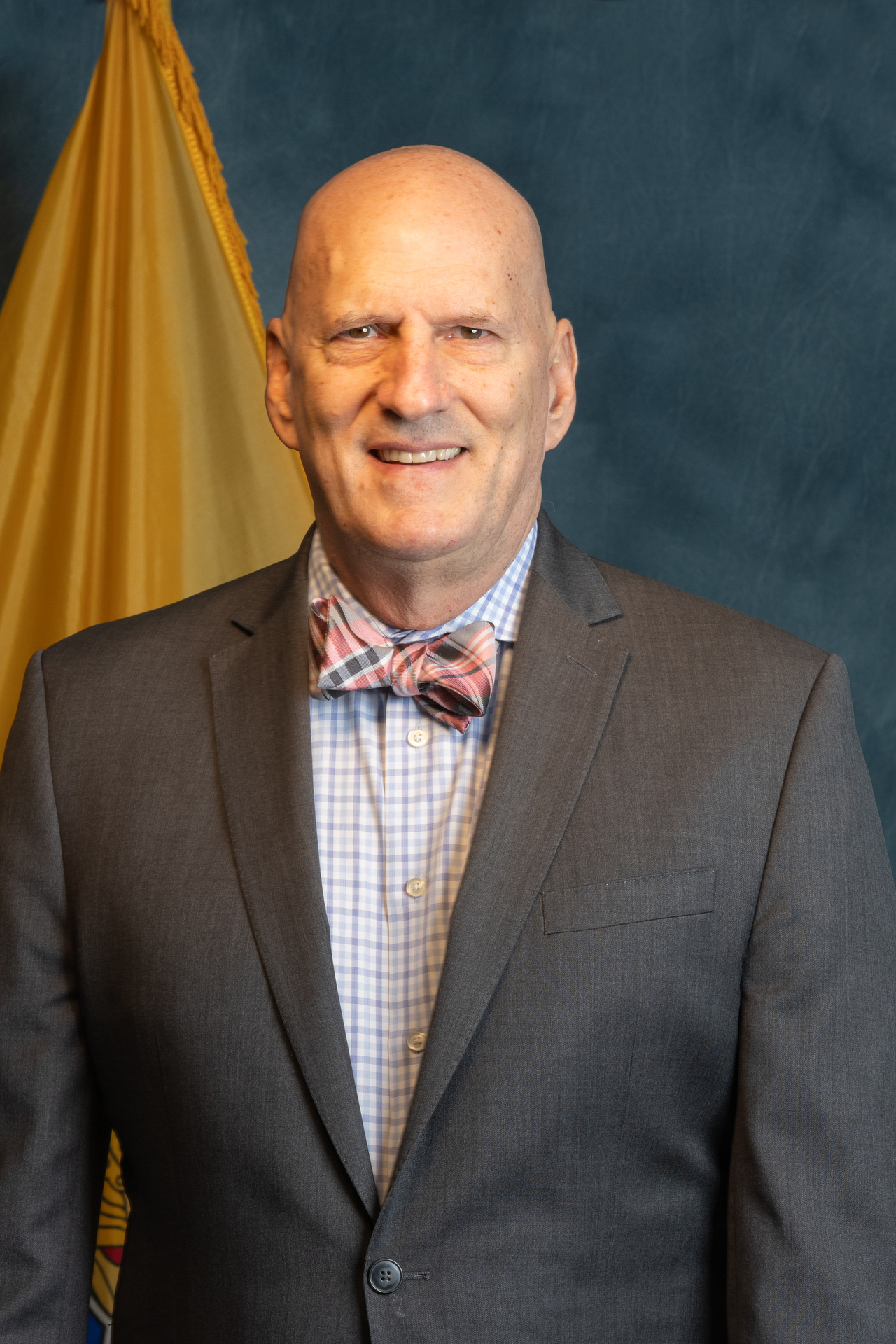
Ed Wengryn
Secretary of Agriculture
Phone 609-292-3976
Fax 609-984-2508
Governor Phil Murphy announced that Edward D. Wengryn will serve as the New Jersey Secretary of Agriculture, following his appointment by the State Board of Agriculture on March 22, 2024, becoming the eighth Secretary of Agriculture in New Jersey since the Department was established in 1916.
New Jersey’s Secretary of Agriculture is the Department’s executive officer, Chair of the State Agriculture Development Committee, and a member of the Governor's cabinet. The Office of the Secretary supports programs relating to the economic development of production agriculture; the marketing of agricultural products through the Jersey Fresh program; conservation and development of natural and renewable resources; distribution of surplus federal commodities to soup kitchens, food pantries, schools, State hospitals, and institutions; and the health and well-being of the state’s greenhouse/nursery and livestock industries as well as other programs related to these areas.
Since 1998, Ed Wengryn served with the New Jersey Farm Bureau, where he worked closely with farming communities. His field work included the direct marketing of farm products as well as oversight on issues such as sales taxes. Ed’s work at the Farm Bureau spanned ornamental horticulture, land use, forestry, and equine and other livestock issues. From 2002 through 2004, he served as Confidential Assistant to Charles Kuperus, the Secretary of Agriculture for the State of New Jersey, where he coordinated the development of industry-specific action plans to improve the economic viability of New Jersey’s varied agriculture sectors. Since 2009, Ed has represented the private agriculture sector on the New Jersey Industry Advisory Council at the State Office of Homeland Security and Preparedness, ensuring concerns of the agricultural community are considered in State emergency response plans. This work was critical for keeping agricultural businesses open and running during the recent COVID-19 public health emergency.
Ed has been recognized for his service to the Equine Industry by receiving the NJ Horse Person of the Year award in 2021 and currently serves as Co-Chair of the Rutgers University Board for Equine Advancement (RUBEA).
Ed grew up in the Neshanic Station section of Branchburg Township, and his interest in agriculture and horticulture began when he was helping on the Wengryn Family farm, a dairy and field crop operation in Hillsborough, New Jersey. As a youth, he worked with his father, Myron, growing and selling pumpkins and pick-your-own strawberries, as well as growing and selling tomatoes to area delis in the summer.
Ed is a 1986 graduate of Delaware Valley College of Science and Agriculture Doylestown with a Bachelor of Science in Ornamental Horticulture. He is a resident of Trenton, New Jersey, residing in the Mill Hill Historic District.
