Official Site of The State of New Jersey
2026 Celebrate CTE District Highlights
Pemberton Township High School
Broadcast Journalism
The Broadcast Journalism CTE program of study provides students with a dynamic pathway to build skills in television communication, video production, and broadcast storytelling. Through a carefully structured sequence of courses, students gain hands-on experience with both live and recorded productions while developing a strong foundation in the technical and creative aspects of the broadcasting industry.
Instruction begins with the core principles of television production, including safe equipment operation, script writing, storyboarding, electronic news gathering, and video editing. Students learn proper camera techniques, shot composition, and visual sequencing while working with industry-standard equipment such as Panasonic HD cameras, Apple iMac workstations, and professional editing platforms such as Final Cut Pro X.
As they advance, students take on a variety of production roles—news writers, segment producers, field reporters, anchors, and video editors—allowing them to develop versatility and confidence in authentic production environments. Throughout the year, they create a range of television content, including a daily newscast and weekly magazine-style program broadcast on the school’s Channel 19. These real-world experiences strengthen students’ abilities in interviewing, storytelling, linear and non-linear editing, and managing production deadlines.
In upper-level courses, students refine advanced skills in videography, production terminology, and collaborative workflow management. They also participate in live event broadcasting, covering schoolwide activities such as athletic competitions, performing arts events, and commencement ceremonies—experiences that prepare them for postsecondary studies and careers in broadcast journalism, digital media, and video production.
Students further enhance their learning through participating in Skills USA career development events, where they apply their skills in competitive settings and gain valuable leadership experience. Students may earn up to eight articulated college credits through a partnership with Rowan College at Burlington County, supporting a seamless transition to higher education.
This program develops students’ technical expertise, creativity, teamwork, and journalistic judgment—key skills for success in the fast-paced and continually evolving world of broadcast media.
Applied Horticulture/Horticulture Operations, General
The Applied Horticulture/Horticulture Operations CTE program of study provides students with a comprehensive foundation in plant science, horticultural production, and the business operations that support the industry. This program introduces students to the cultivation, management, and maintenance of plants, including flowers, shrubs, trees, groundcovers, and other ornamental and commercial plants—while grounding their learning in essential scientific principles.
Coursework spans multiple areas of horticulture such as floriculture, nursery and greenhouse operations, and landscape management. As students advance, they deepen their knowledge of botanical science and gain hands-on experience in plant propagation, soil science, floral design, and marketing strategies used within the horticulture field.
The program offers diverse work-based learning opportunities that connect classroom instruction to real-world experiences. Through a school-based enterprise, students design and produce floral arrangements and decorative items for school and community events, strengthening skills in sales, marketing, advertising, and customer service. Local industry partnerships further expand students’ experiences. Students participate in internships that include plant care, retail operations, hydroponic and aquaculture systems, equipment use, and customer service. Additional structured agricultural experiences are available with a local sod farm, where students develop practical skills in turfgrass management, soil conservation, irrigation, pest and disease control, machinery operation, marketing, and logistics.
Partnerships with the Rutgers Cooperative Extension offer students the opportunity to observe agricultural professionals in action, supporting local growers with pest and disease management, soil testing, and crop planning—providing valuable insight into the agricultural support services sector.
Students also participate in the FFA career and technical student organization, expanding their leadership and competitive skill-building opportunities. Additionally, they may earn up to twelve college credits through an articulation agreement with Delaware Valley University, positioning them for postsecondary success in horticulture, and related fields.
Food Preparation/Professional Cooking/Kitchen Assistant
The Food Preparation/Professional Cooking CTE program of study introduces students to the fundamentals of the culinary arts and operation of a commercial kitchen. Students learn essential skills in kitchen organization, sanitation and safety, food quality control, equipment maintenance, and core cooking techniques. Instructions include the preparation of vegetables, meats, soups, baked goods, batters, and doughs. As students demonstrate proficiency with individual tasks, they progress to planning and preparing complete meals.
Throughout the program, students gain direct experience in a commercial kitchen environment. They learn how to scale and adapt recipes, properly sanitize workspaces, and manage key aspects of food service operations. Responsibilities include completing production reports, assisting with ordering, rotating stock, and participating in monthly inventory procedures. Students also develop customer service and catering skills that prepare them for success in the food service and hospitality industries.
Work-based learning opportunities build upon classroom instruction. Job shadowing at a local hospital exposes students to a range of culinary roles, including servers, chefs, and prep cooks. During these experiences, students learn time management, sanitation procedures, customer service, and the importance of meeting individual dietary restrictions. Internship placements at a local restaurant further develop skills in inventory and purchasing, budgeting, sales, and professional kitchen operations.
Students have the opportunity to earn the nationally recognized ServSafe Food Protection Manager industry valued credential, a certification highly valued by employers across the industry. They also participate in SkillsUSA, a career and technical student organization that promotes leadership, teamwork, and professional growth through competitions, events, and community service within the culinary field.
Baking & Pastry Arts/Baker/Pastry Chef
The Baking & Pastry Arts program of study provides students with a comprehensive introduction to the art and science of baking. Students begin by developing foundational knowledge in baking terminology, equipment identification and use, ingredient functions, formula conversions, and selection of appropriate flours. They gain practical experience preparing basic doughs, quick breads, pies, cookies, and other bakery items that establish essential skills for more advanced work.
As students progress, they expand their understanding of commercial baking practices. Instruction emphasizes shop and fire safety, accurate measurement, proper cooking temperatures, mixing techniques, knife skills, and the operation of both small and large industrial kitchen equipment. Throughout the program, they prepare a variety of baked products, advancing to full size cake production and decorating techniques as individual competencies are achieved.
In the advanced level of the program, students take an in depth look at the professional baking field while applying their skills within a commercial kitchen environment. They engage in real world production experiences, including volume baking, daily record keeping, inventory and ordering procedures that mirror industry expectations.
By participating in Skills USA career development events, students build leadership, teamwork, citizenship, and character skills. Students in this program of study can earn up to six credits at Rowan College at Burlington County.
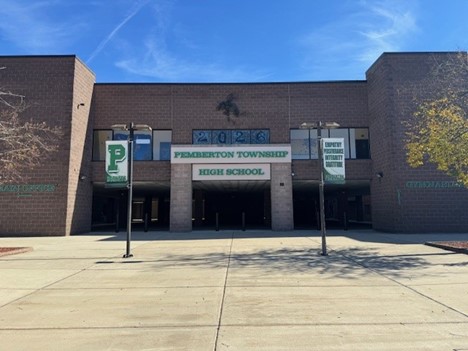
Pemberton Township High School, where career and technical education empower students to transform hands on learning into real world opportunities.

Student hosts in the Broadcast Journalism program of study lead the studio broadcast, developing confidence and skills in journalism and media presentation.
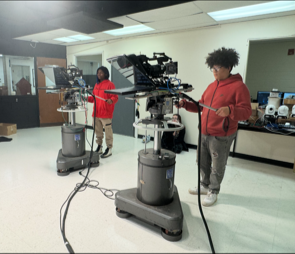
Students work together to operate professional studio cameras, strengthening their technical skills in media and broadcast production.
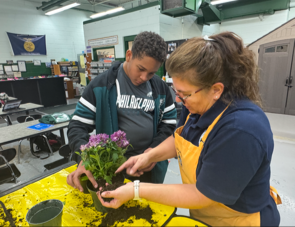
Pictured from left to right. Student, Ms. Dawn Viveiros-Meredith, Horticulture Teacher.
Applied learning helps students in the Horticulture program of study develop technical and professional skills in plant science, design, and business operations.
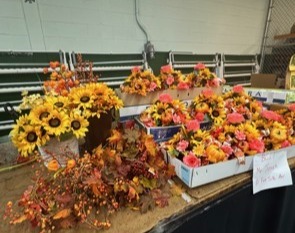
The Horticulture program of study cultivates students’ skills in plant science, floral design, and business operations, laying the foundation for future academic and career success.
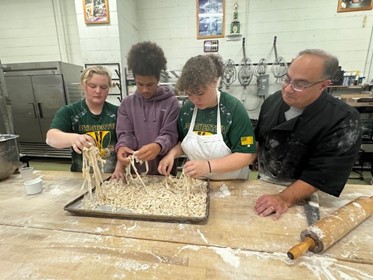
Students with Mr. Mocci, Culinary Arts Teacher (far right).
Students in the Food Preparation/Professional Cooking/Kitchen Assistant program of study work with their teacher to build foundational skills in food preparation and kitchen operations.
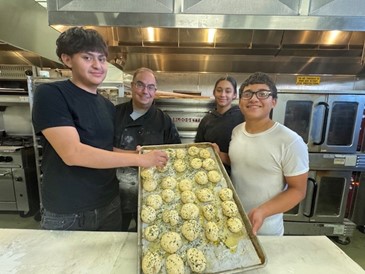
Mr. Mocci, Culinary Arts Teacher (second from the left) with students.
Students in the Baking & Pastry Arts/Baker/Pastry Chef program of study prepare a dish, building skills in culinary arts.
Bergen County Technical Schools – Paramus Campus
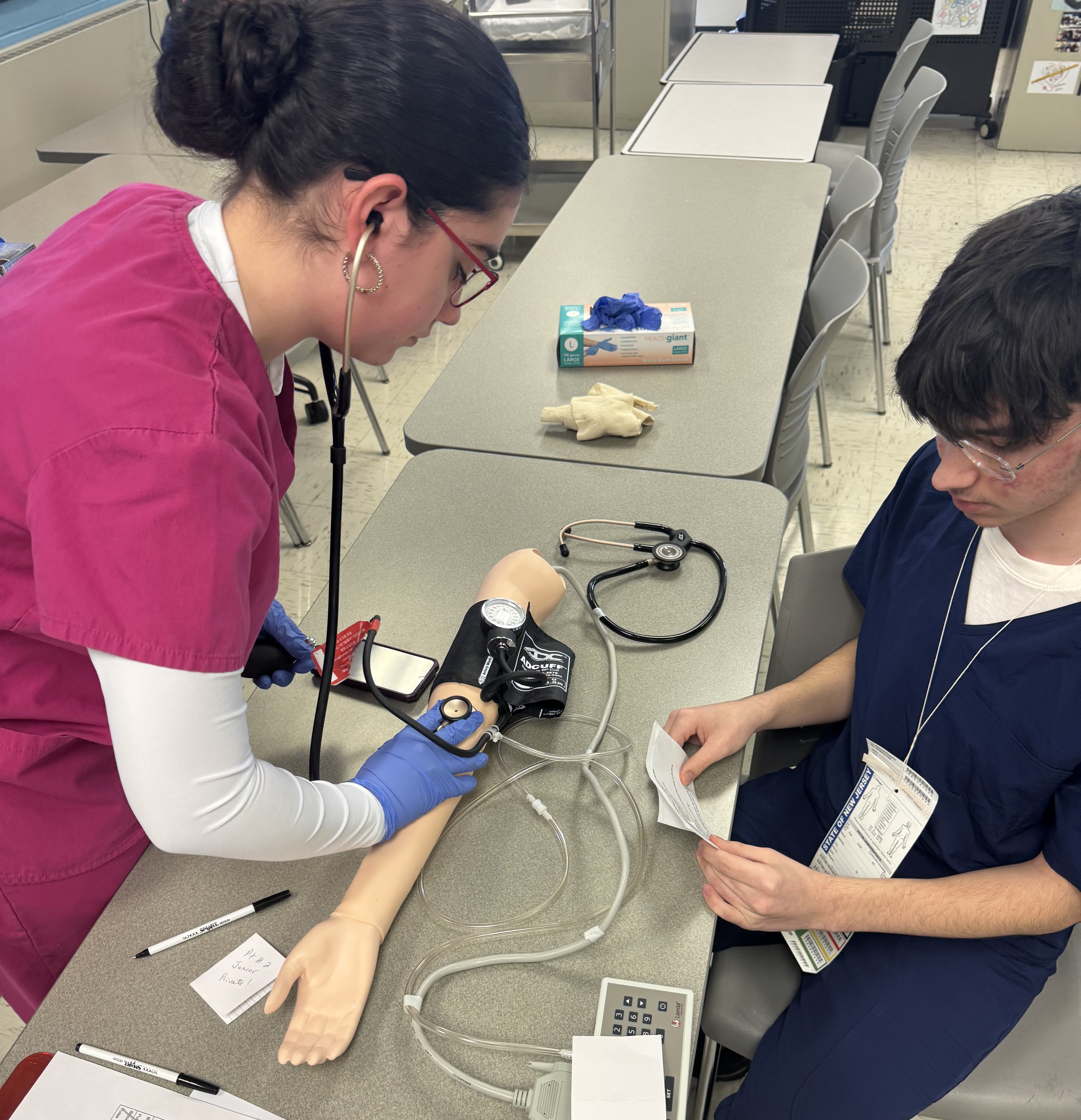
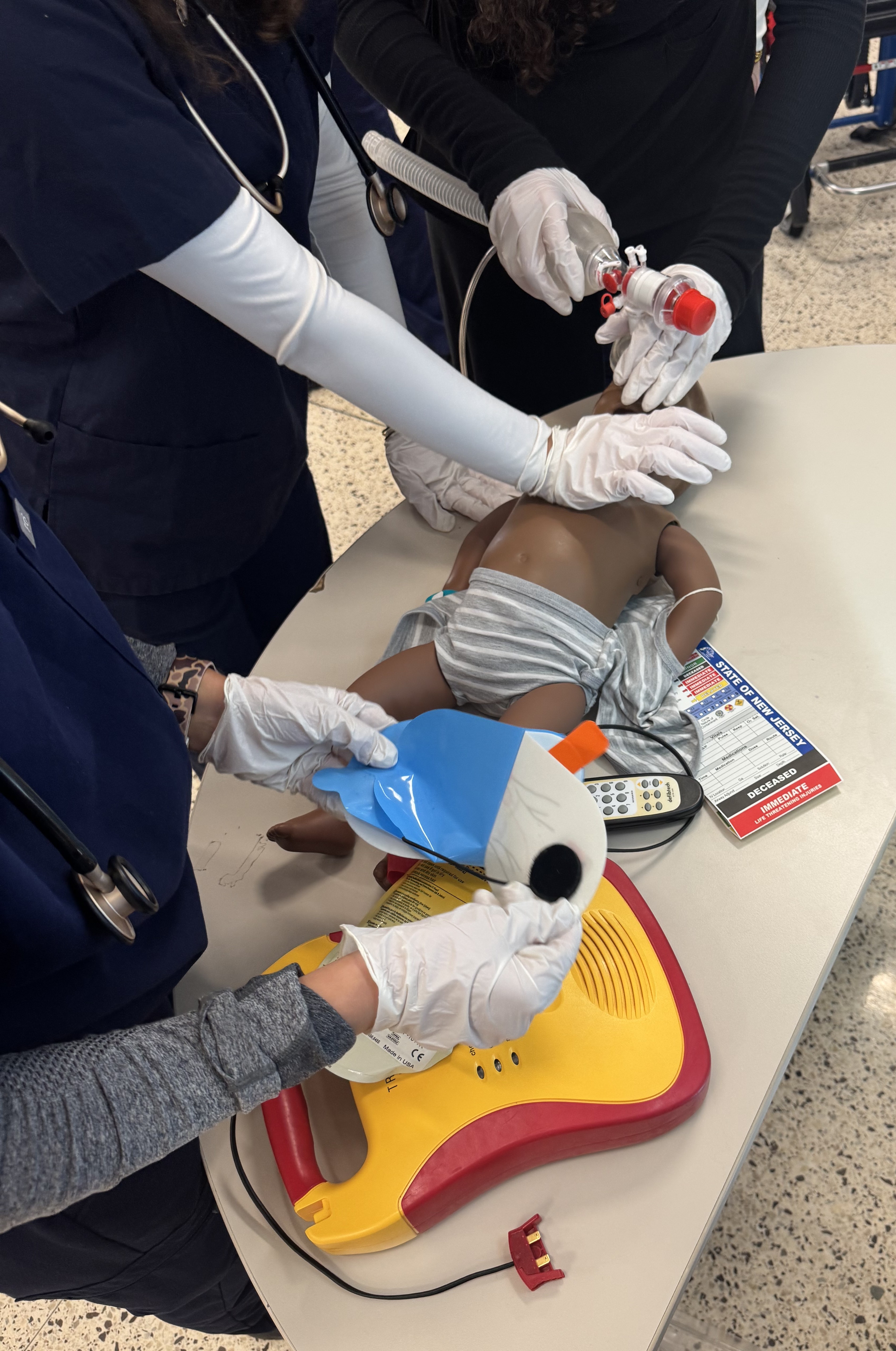
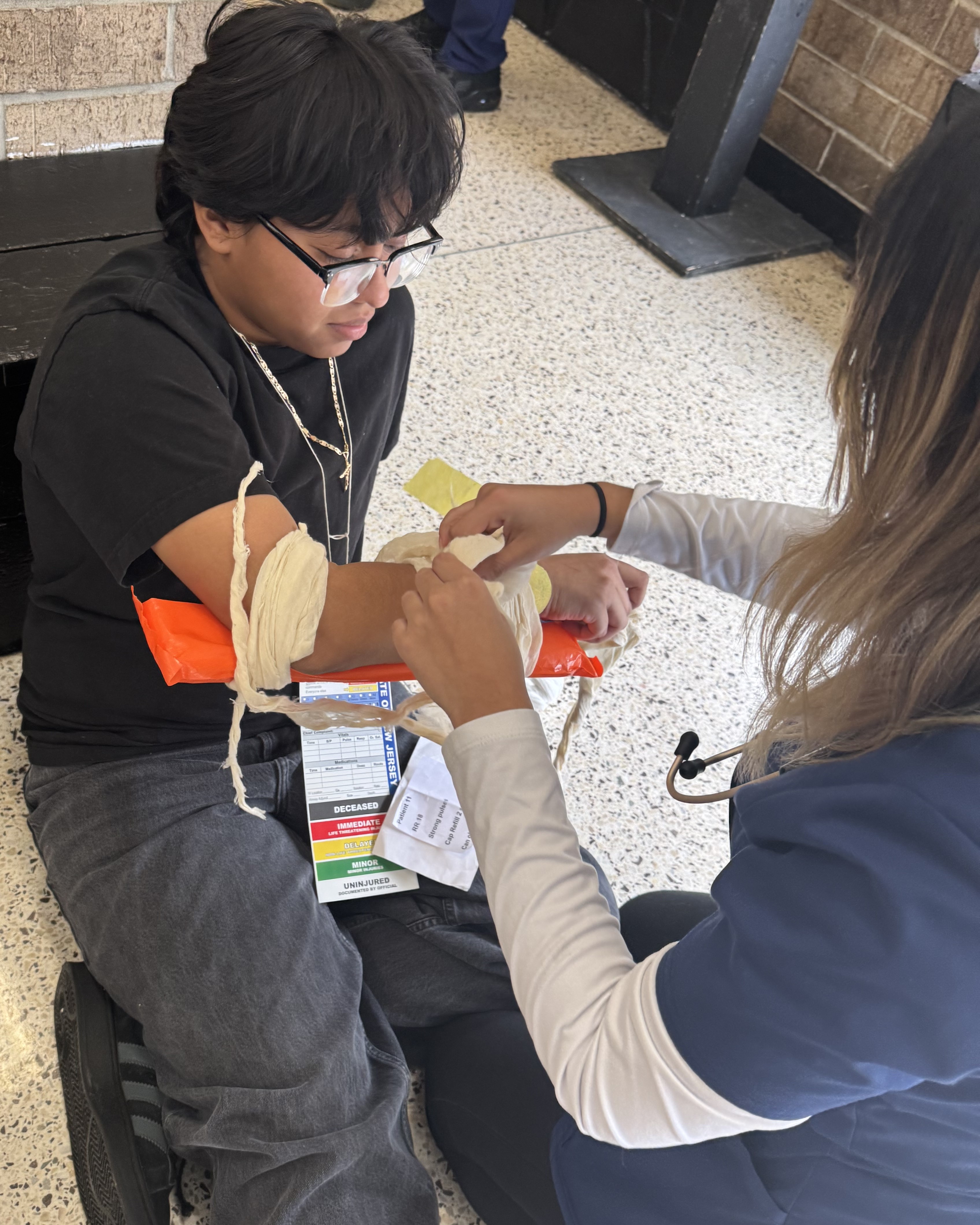
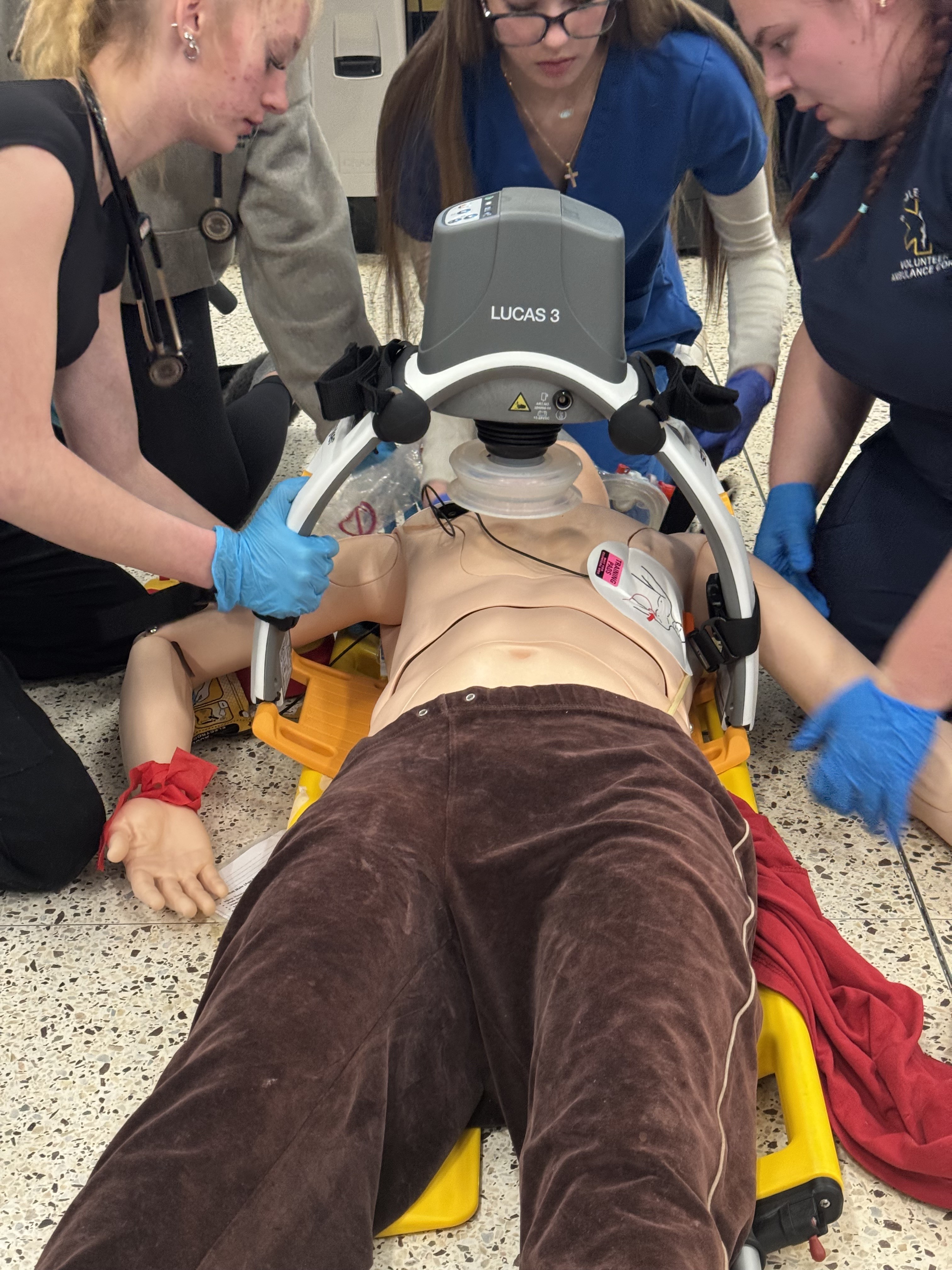
On February 11, 2026, members of the Office of Career Readiness visited Bergen County Technical Schools – Paramus Campus to see how the school is elevating Career and Technical Education (CTE) in action. During the visit, students in the Allied Health Science program of study demonstrated their skills through a large-scale, high-impact simulation. The exercise recreated a structural collapse at a school athletic event, challenging students to apply the principle of “the greatest good for the greatest number” using advanced clinical decision-making. All students took on active roles—either as victims within the scenario or as medical personnel responding at the scene and later in a simulated emergency department—highlighting the program’s emphasis on immersive, real-world learning experiences. Below are pictures of the scenario.
Building on this strong foundation, the Allied Health program has been awarded the Elevate CTE Innovation Grant to support a comprehensive initiative focused to modernize its curriculum, upgrade facilities, and expand work-based learning opportunities. This effort is designed to better prepare students for success in New Jersey’s high-demand healthcare industry while aligning with the priorities identified in the 2025 Comprehensive Local Needs Assessment (CLNA).
While the program already provides a solid academic base, the CLNA identified key opportunities to strengthen alignment with today’s rapidly evolving healthcare workforce. In particular, there is a need to expand access to industry-recognized certifications and introduce students to the latest clinical technologies and patient care practices.
To address these needs, the program will implement a three-part strategy:
Curriculum Enhancement: Update instructional materials to reflect current industry standards and prepare students for certifications such as Certified Patient Care Technician and Certified Clinical Medical Assistant.
Facility and Technology Upgrades: Equip classrooms and labs with modern tools and simulation technology that mirror real-world healthcare environments.
Professional Development: Provide targeted training for educators to ensure they are equipped with the latest industry knowledge and effective strategies for credential preparation.
In addition, the program will strengthen partnerships with local healthcare employers to expand hands-on learning opportunities, including internships and mentorships. Success will be measured through increased certification attainment, greater student participation in work-based learning, and ongoing feedback from industry advisory boards.
The ultimate goal is to ensure all students—including those from special populations—graduate with the skills, credentials, and real-world experience needed to thrive in competitive healthcare careers.
This initiative will result in a future-ready Allied Health program that delivers rigorous instruction, authentic clinical experiences, and clear pathways to college and careers—supporting both student success and the continued growth of New Jersey’s healthcare workforce
Burlington County Institute of Technology – Medford and Westampton Campuses
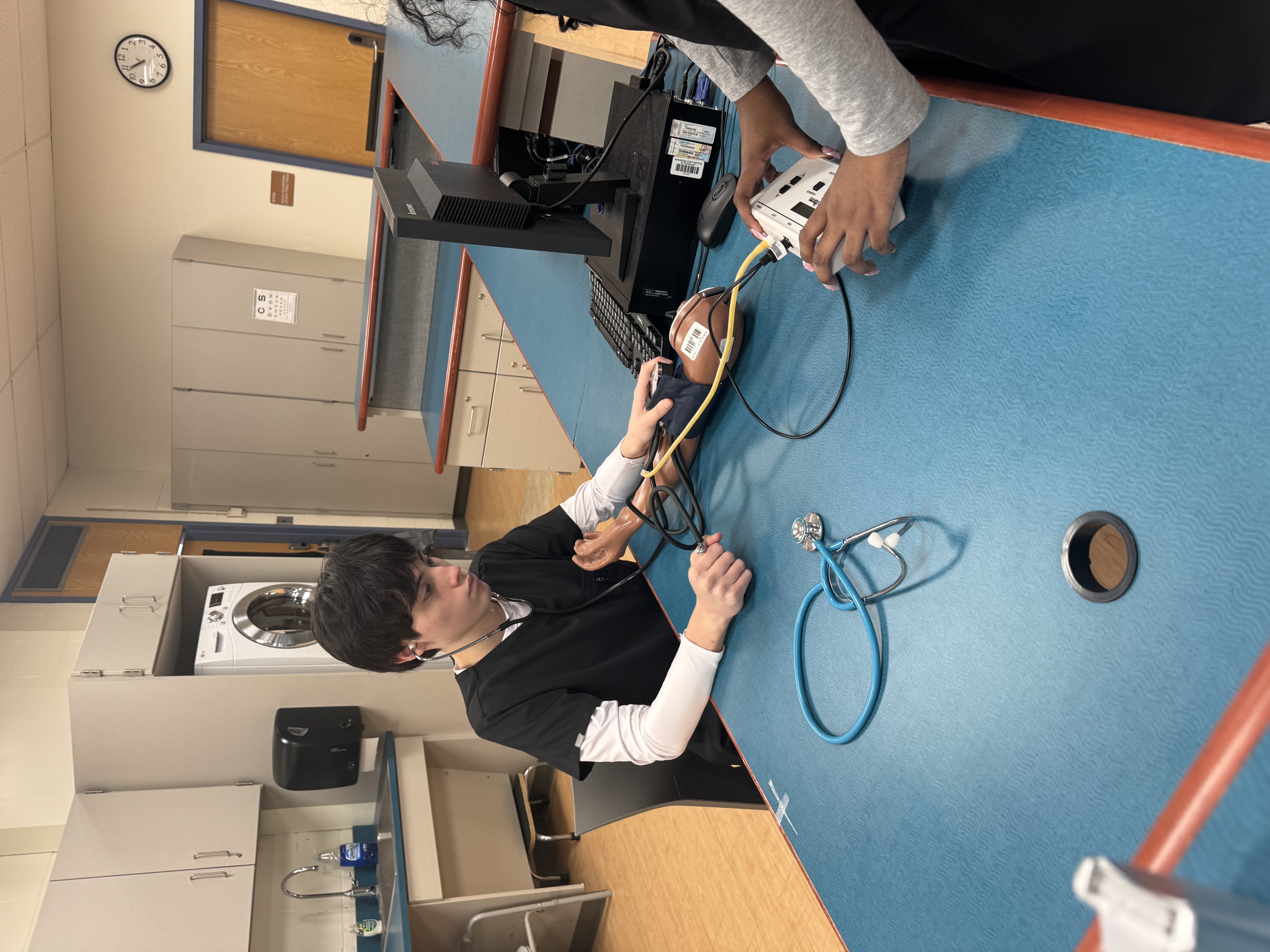
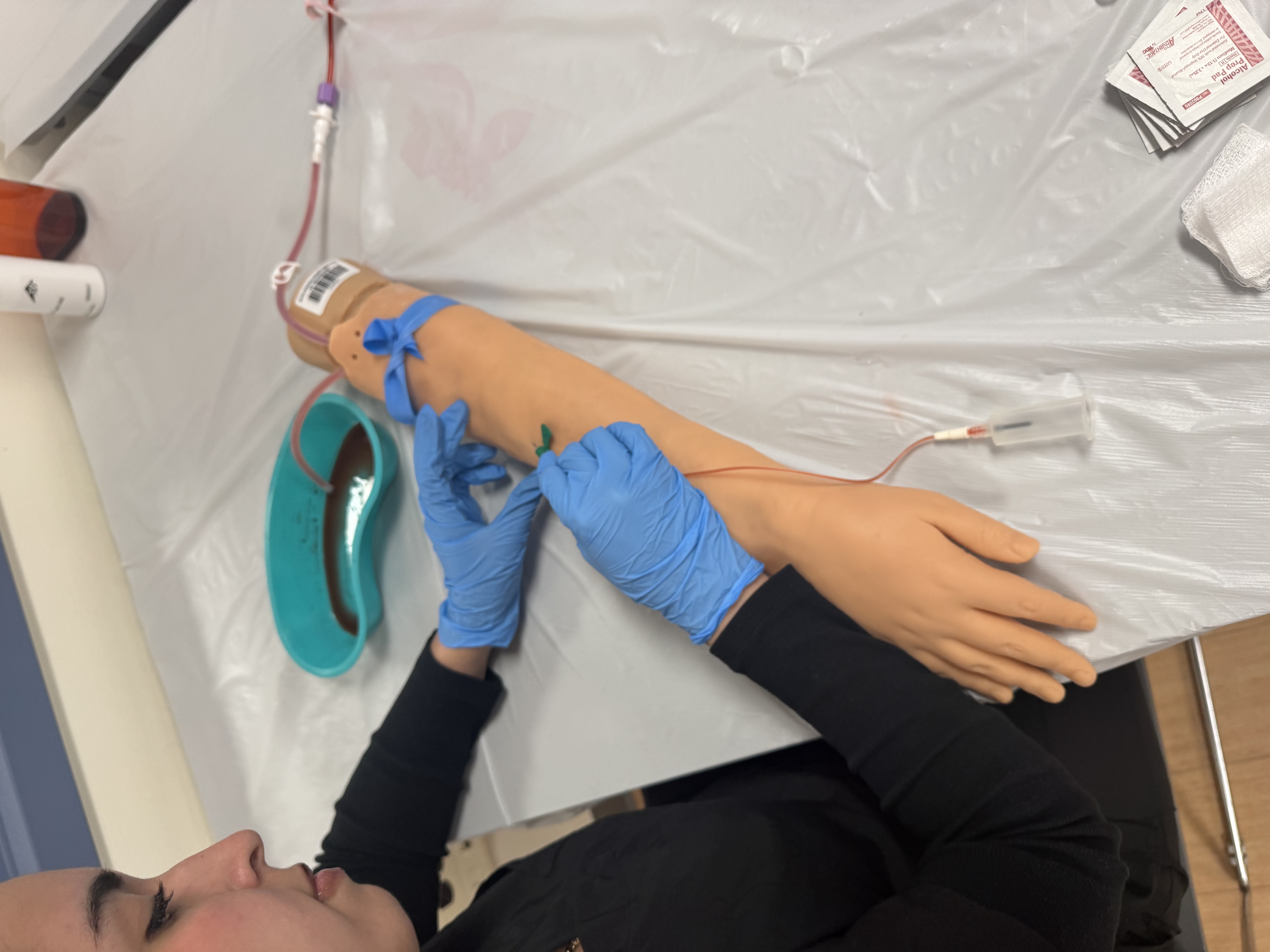
On February 17, 2026, members of the Office of Career Readiness, along with the New Jersey Department of Labor and Workforce Development Sector Strategist for Industry Partnerships Pavithra Lakshminarayan, visited Burlington County Institute of Technology (BCIT) to engage with students and staff in the Allied Health CTE program across both the Medford and Westampton campuses. As a recipient of the Elevate CTE Innovation Grant, BCIT is leveraging this funding to strengthen alignment between classroom instruction and industry expectations while expanding student access to simulated clinical training and Work-Based Learning (WBL) experiences.
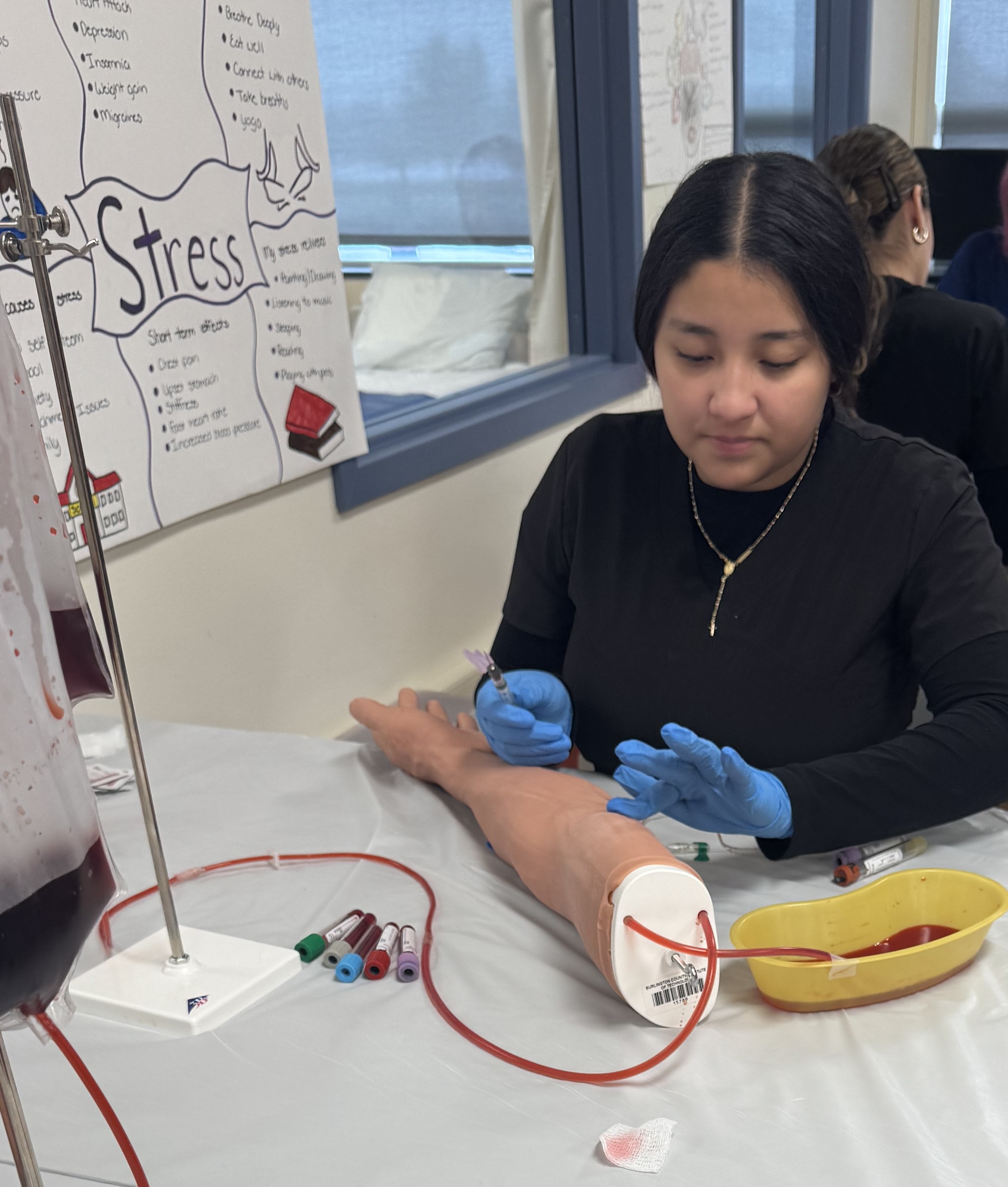
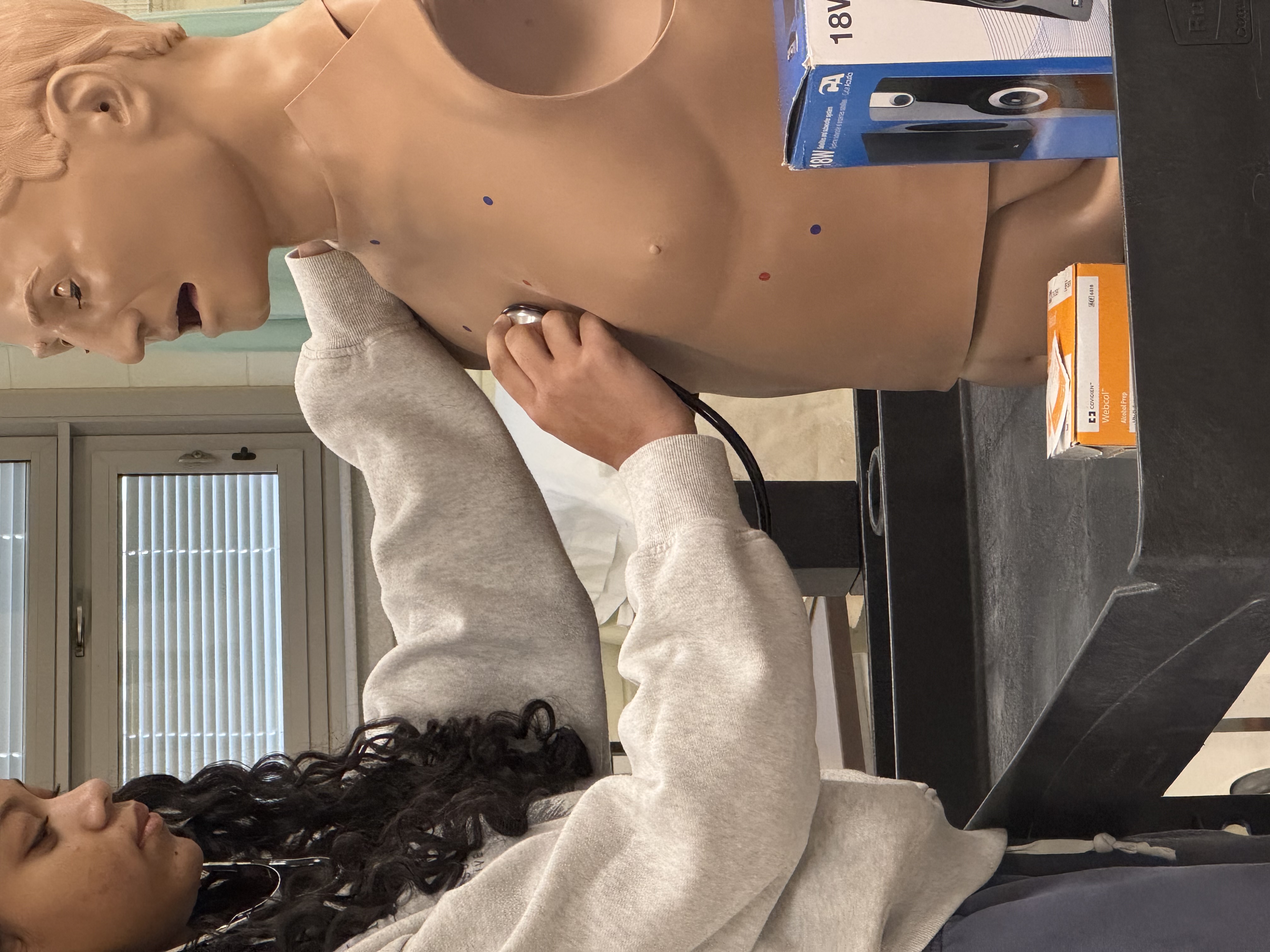
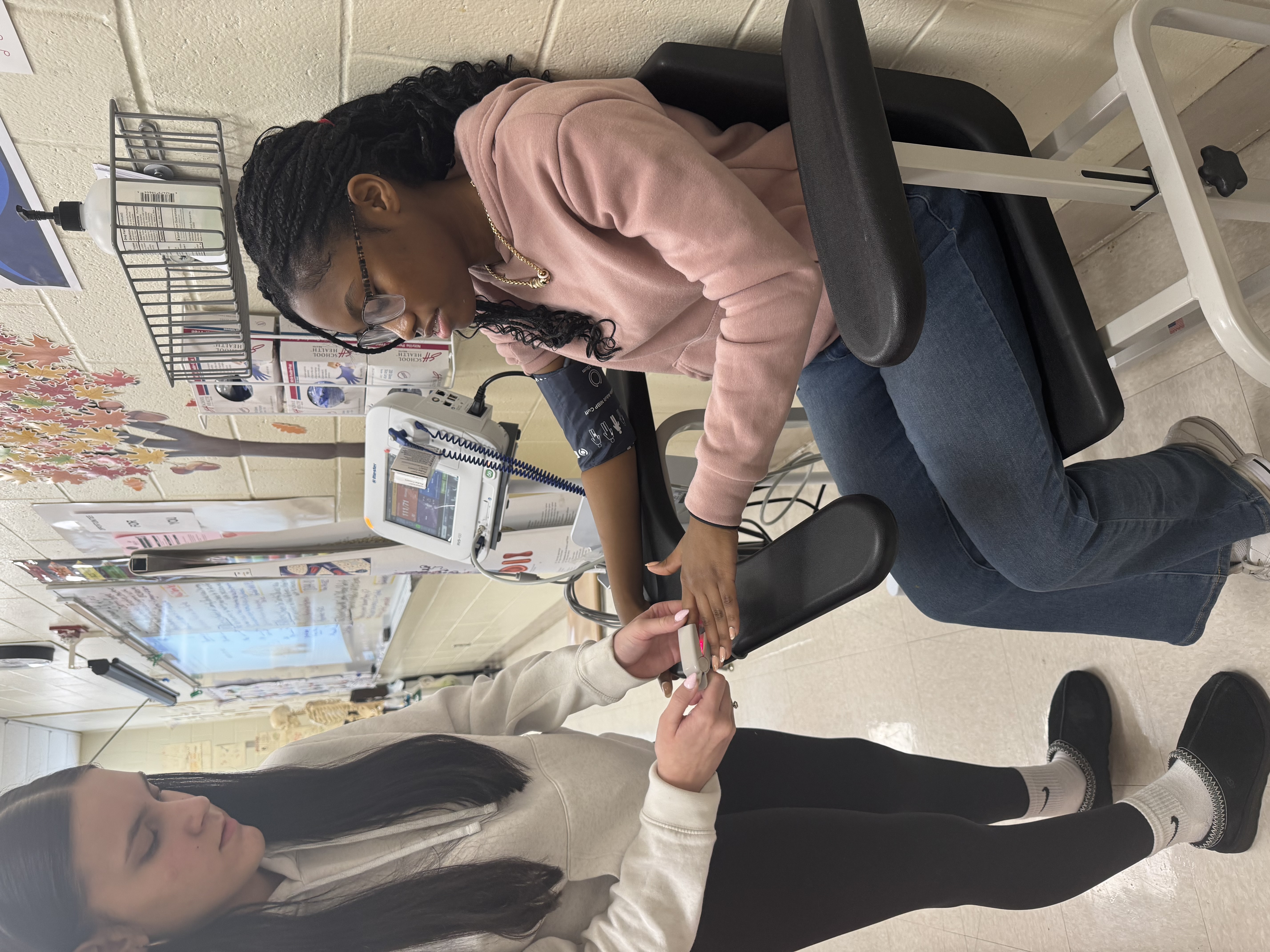
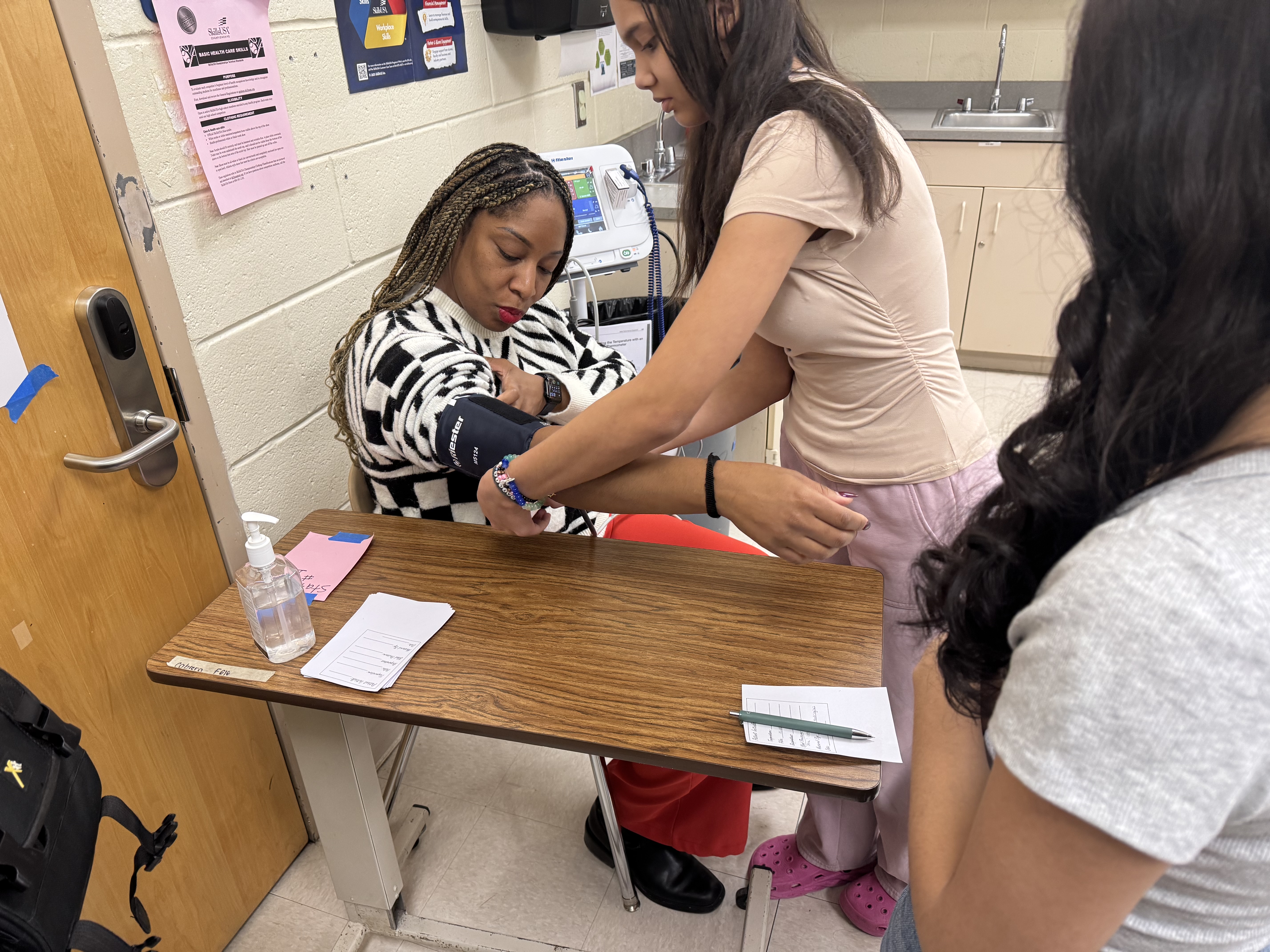
While the current program introduces students to foundational healthcare concepts, limited access to modern equipment has constrained opportunities to fully develop the clinical and administrative competencies required for certification and employment. Through this grant, BCIT is addressing these gaps by investing in mobile vital signs monitors, electronic health record (EHR) simulation software, and IV training arms with circulation pumps to support venipuncture and injection practice.
A key component of this initiative is the creation of a dedicated simulation lab designed to mirror real-world clinical environments. In this space, students will rotate through hands-on skills stations that replicate patient intake, vital signs collection, pre-screening interviews, and procedures such as venipuncture and glucose testing. Administrative functions, including appointment scheduling, patient intake, and EHR documentation, will also be integrated, ensuring students gain experience in both clinical and front-office roles.
The simulation lab will feature workstations, reception desks, barcode scanners, and label printers to recreate outpatient care settings. These tools directly support skill development aligned with industry-recognized credentials such as Certified Clinical Medical Assistant (CCMA) and Certified Patient Care Technician (CPCT/A). Instructional enhancements will be guided by curriculum updates and supported through professional development in partnership with Virtua Health, Masonic Village of New Jersey, and other industry advisors.
This initiative will benefit more than 120 students annually, equipping graduates with the technical skills, digital literacy, and clinical judgment needed to succeed in New Jersey’s high-demand healthcare sector. Through enhanced instruction and immersive simulation-based learning, BCIT students will be well-prepared for both post-secondary education and immediate entry into the workforce.
Egg Harbor Township
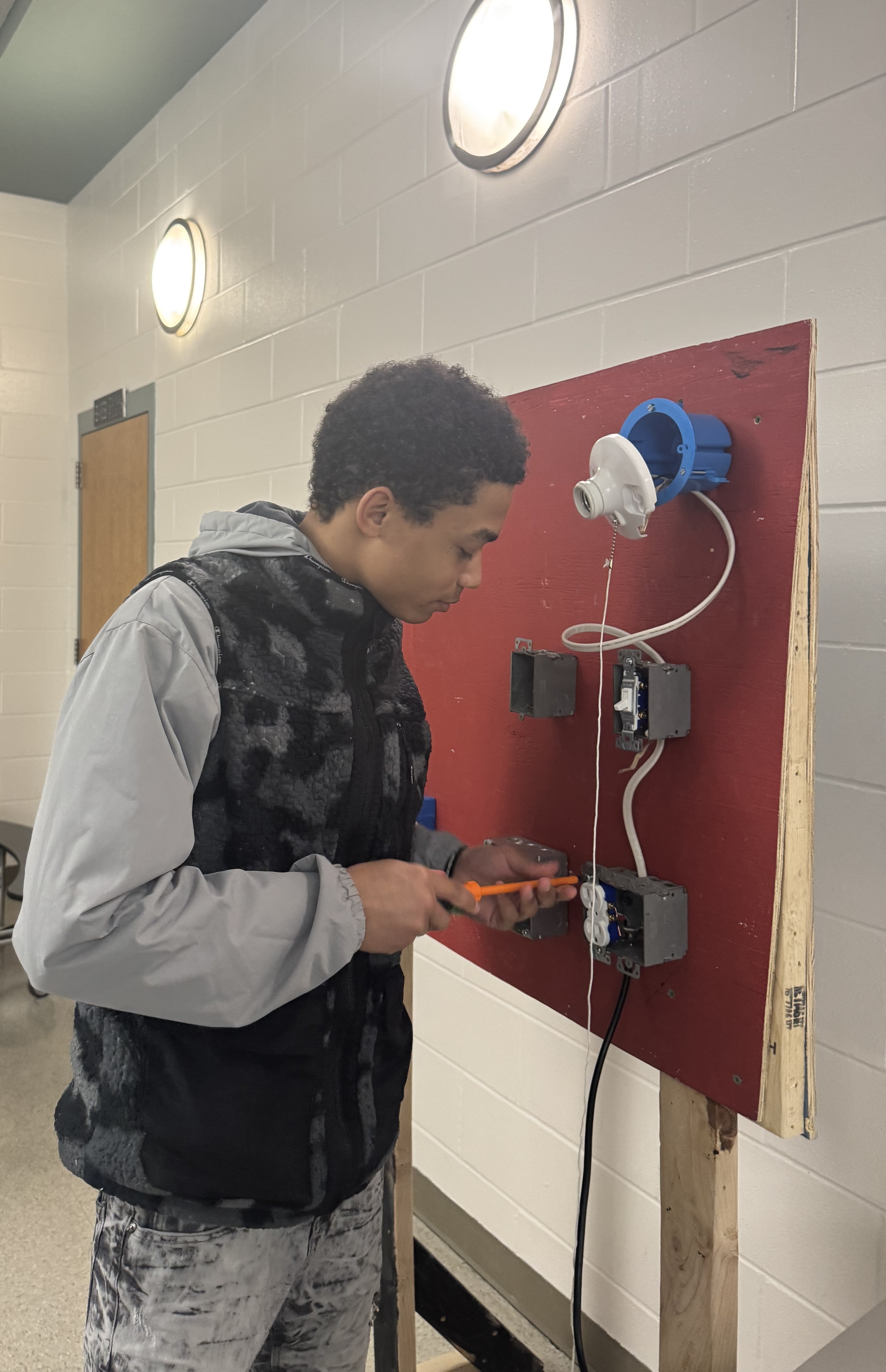
On February 26, 2026, members of the Office of Career Readiness attended the Trades and Apprenticeship Career Expo at Egg Harbor Township High School. As a recipient of the Elevate CTE Innovation Grant, Egg Harbor Township School District is leveraging this funding to expand and modernize its Career and Technical Education offerings within the manufacturing and engineering career pathways.
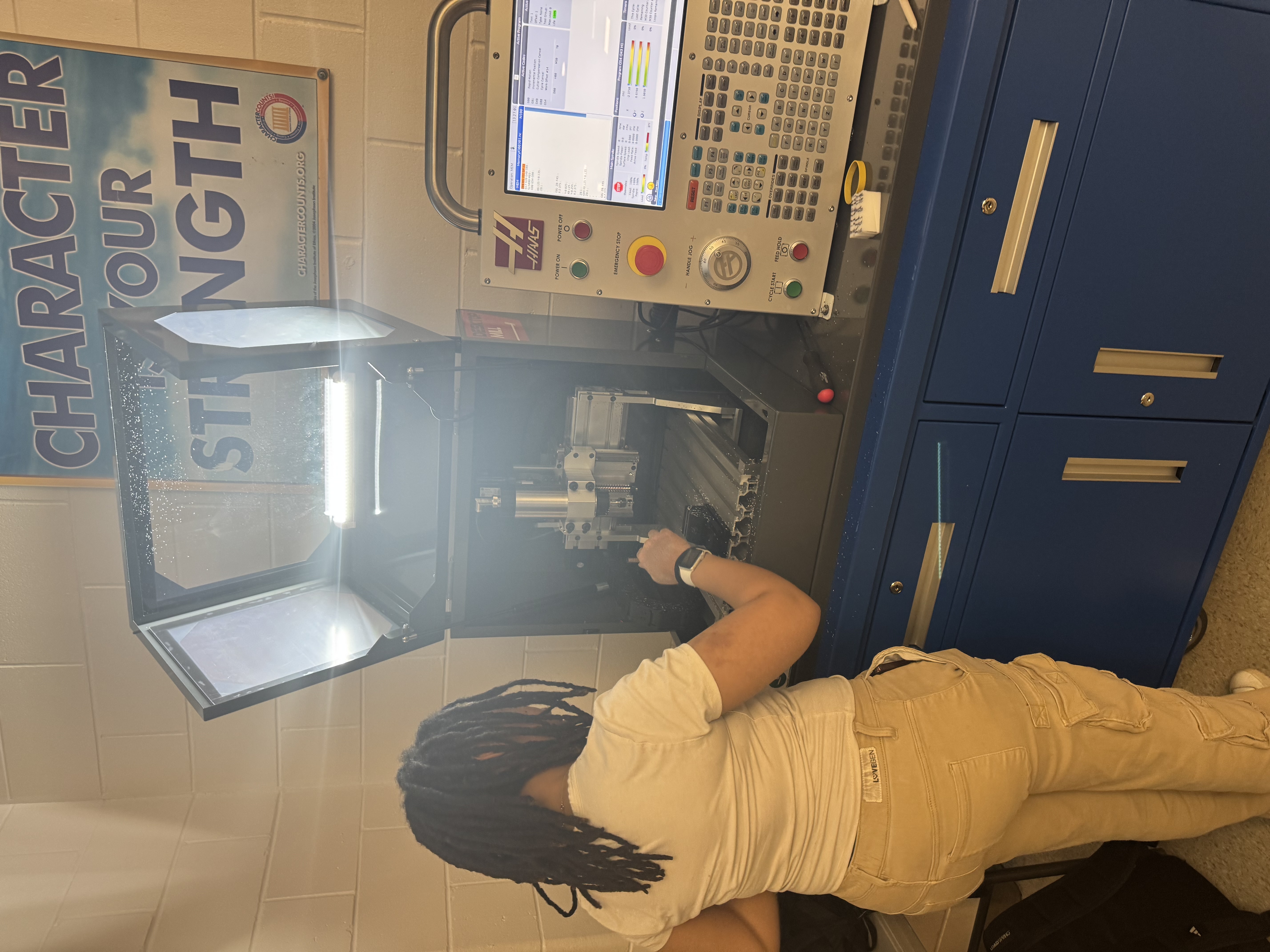
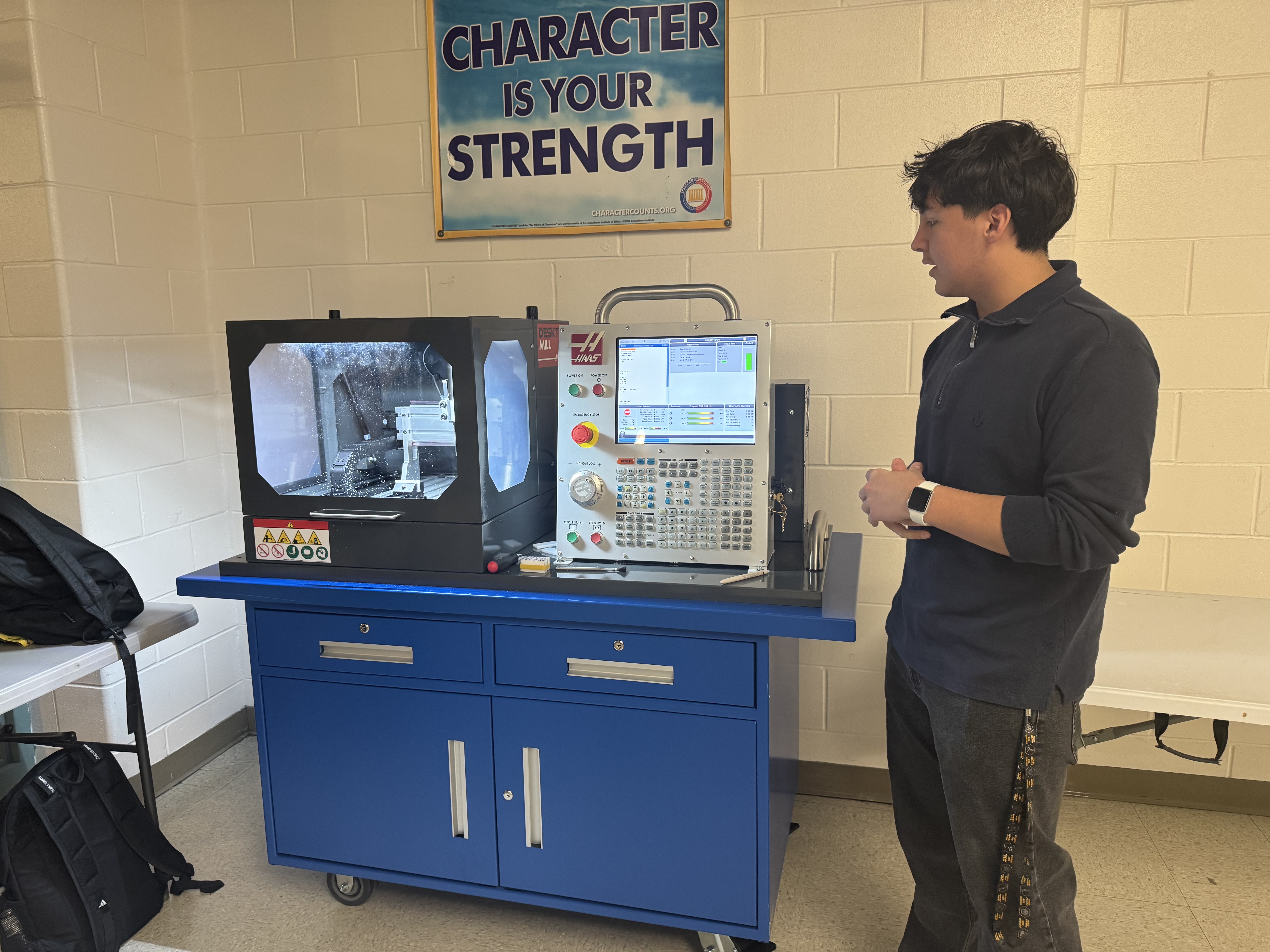
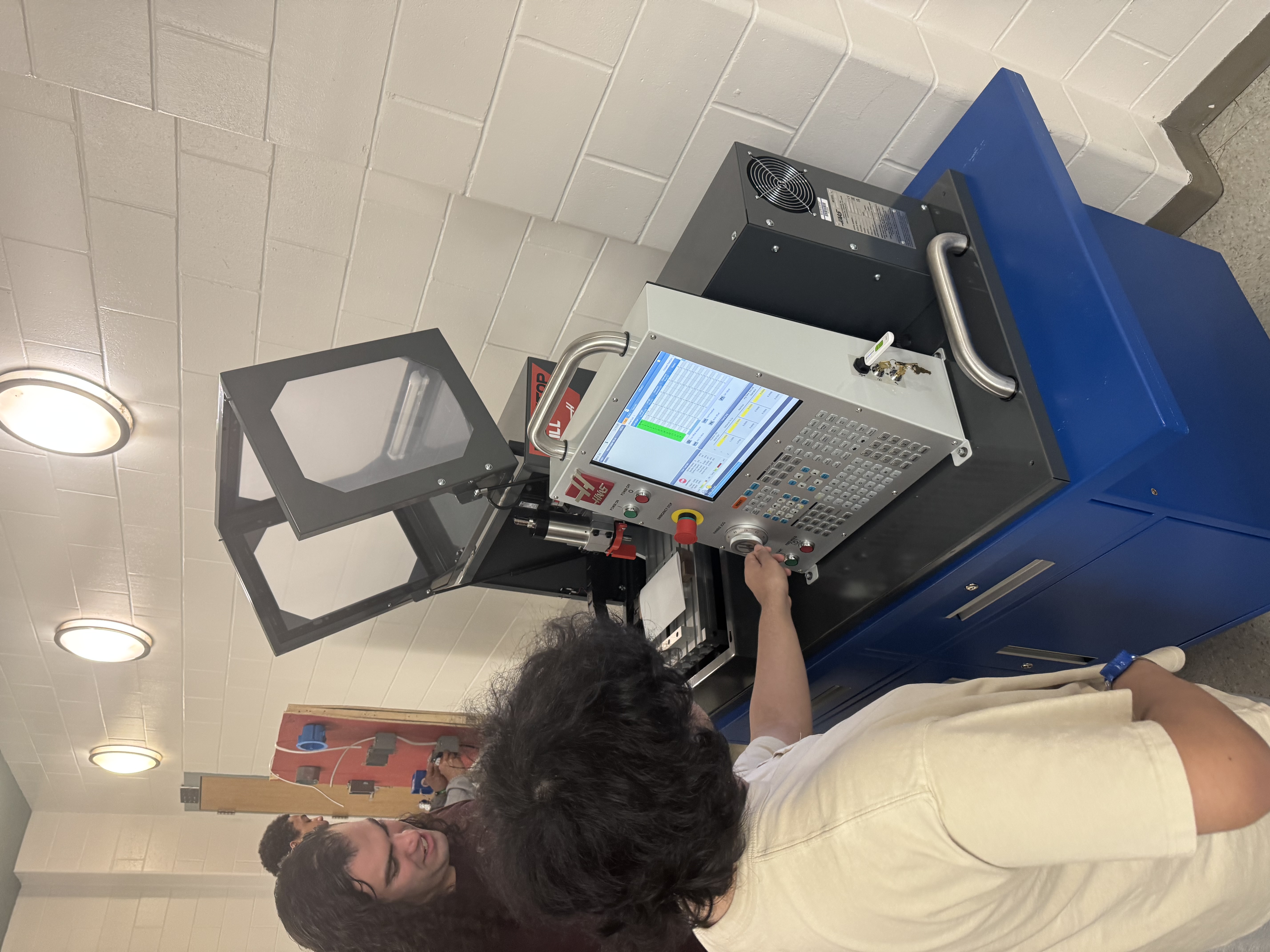
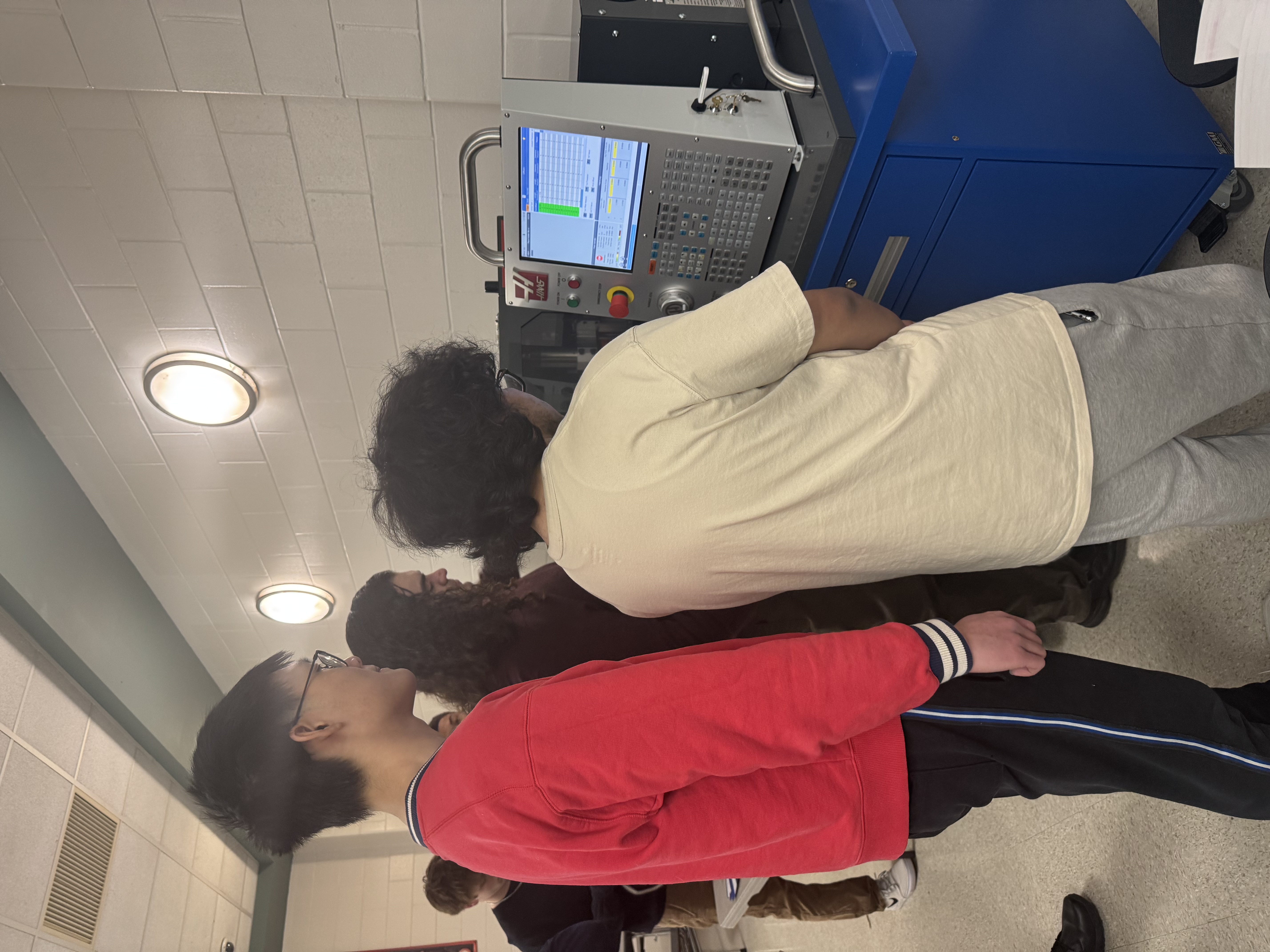
At the Expo, students and staff from the Computer Aided Drafting and Design (CADD) program showcased the knowledge and technical skills they have developed through the integration of Computer Numerical Control (CNC) milling technology and enhancements to the CADD curriculum. Their demonstrations highlighted how students are applying both design and manufacturing concepts in hands-on, industry-relevant ways.
To further strengthen career pathways in engineering and advanced manufacturing, the district is integrating CNC milling technology into the CADD program. CNC milling—a cornerstone of modern manufacturing—uses computer programming to guide precision machining tools that fabricate parts from digital designs. While CADD instruction focuses on creating detailed technical schematics, CNC technology transforms those designs into machine-executable code. By combining these tools, students gain a comprehensive, real-world experience that bridges the gap between design and production.
To support this work, the district has established an Innovation Team composed of teachers, specialists, and administrators across grade levels and disciplines. This team leads the identification of key technology platforms, delivers professional development, and drives the implementation of innovative, technology-focused initiatives. Through this grant, CADD instructors received stipends to revise curriculum and develop CNC-integrated projects in collaboration with the Innovation Team, CTE leadership, and industry and educational partners. Teachers also participated in targeted CNC training and attended conferences to stay current with industry trends.
Students will complete at least one CNC-based project, demonstrate foundational CNC proficiency, and gain exposure to career opportunities through partnerships with local employers. This initiative equips students with practical, in-demand skills for entry-level positions—many of which require only a high school diploma or industry certification—while strengthening connections between education and industry and advancing New Jersey’s workforce development goals.
Monmouth County Vocational School District
On Friday, February 27, 2026, New Jersey Department of Education (NJDOE) Assistant Commissioner of Teaching and Learning Services, Jorden Schiff, was joined by members of the Office of Career Readiness and James Harris, Sector Strategist for Industry Partnerships at the New Jersey Department of Labor and Workforce Development, to visit the Allied Health Career and Technical Education (CTE) program at the Monmouth County Vocational School District (MCVSD). The visit highlighted innovative instruction taking place at the Academy of Allied Health & Science, a recipient of the Elevate CTE Innovation Grant.
Through this grant, MCVSD is modernizing its Allied Health program by integrating advanced clinical diagnostics, patient monitoring systems, health informatics platforms, and interactive anatomy tools aligned with New Jersey’s workforce and academic standards. The goal is to ensure students are learning in an environment that reflects the technologies and systems used in today’s healthcare settings.
The Allied Health and Sciences program was selected for enhancement based on several key factors. First, there is strong student interest in healthcare-related fields, including medicine, nursing, health informatics, and public health. Second, feedback from employer partners and postsecondary institutions consistently emphasizes the need for greater student exposure to digital diagnostics, electronic health records (EHR), telemetry monitoring, and integrated clinical systems. Third, labor market data shows sustained demand for healthcare professionals who can interpret patient data, document care in digital platforms, and make data-informed clinical decisions.
The program’s vision is to create a dynamic, real-world learning environment that reflects the technological transformation of modern healthcare. This includes exposure to EKG and telemetry interpretation, digital health record workflows, and advanced visualization of anatomy and pathology. Students will also build foundational awareness of emerging practices in data science and AI-enabled decision support systems as they relate to healthcare.
This initiative will establish a state-of-the-art instructional environment that mirrors real clinical tools, data flows, and decision-making processes. Specifically, it will:
Embed authentic, patient-centered simulations and EHR documentation into coursework
Build student proficiency in interpreting multi-system data such as telemetry and EKG outputs
Transform anatomy and physiology instruction into an applied, systems-based exploration tied to diagnostic reasoning
Equip students with the technical and analytical skills needed for success in pre-med, allied health, and life science pathways
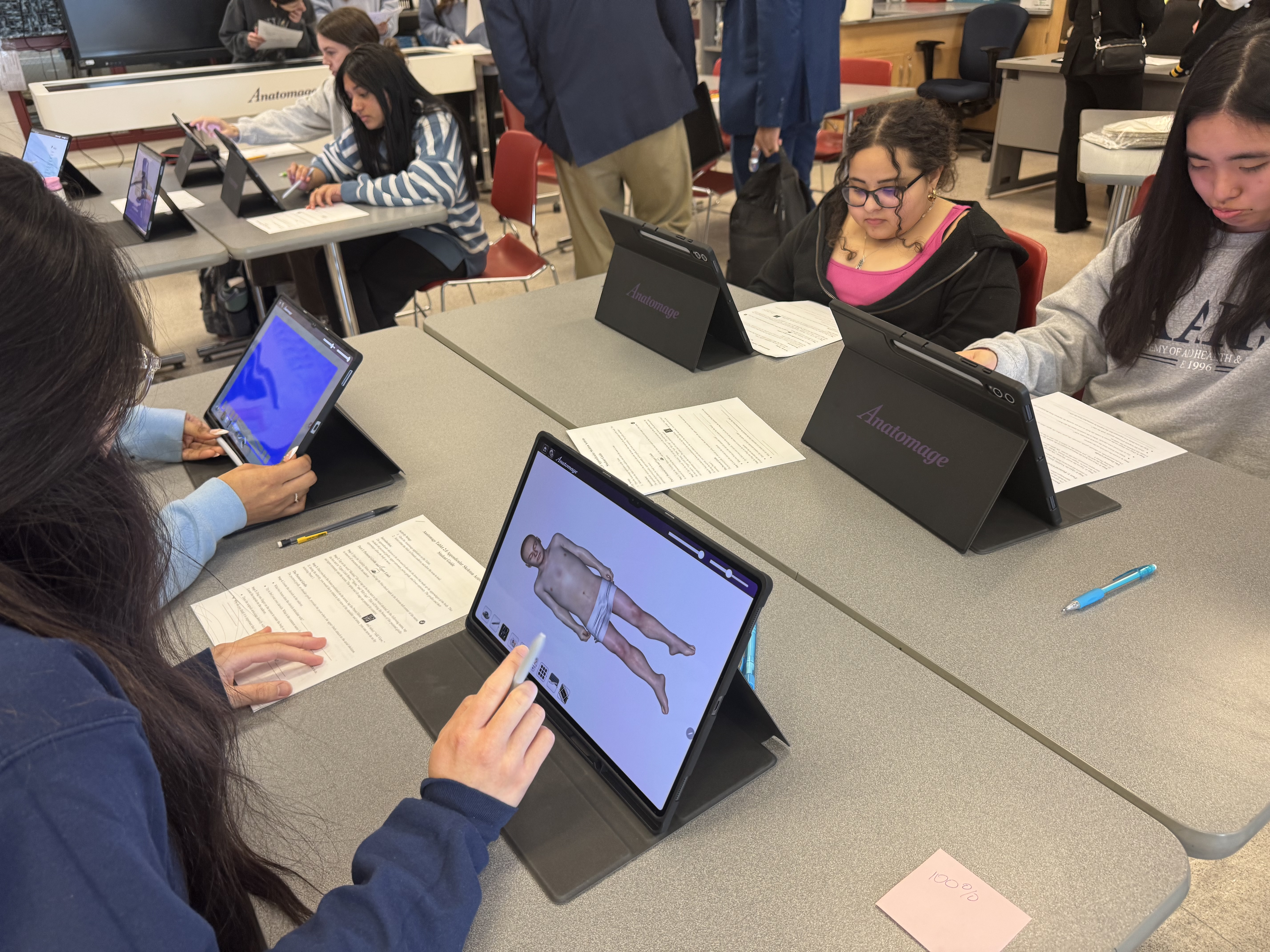
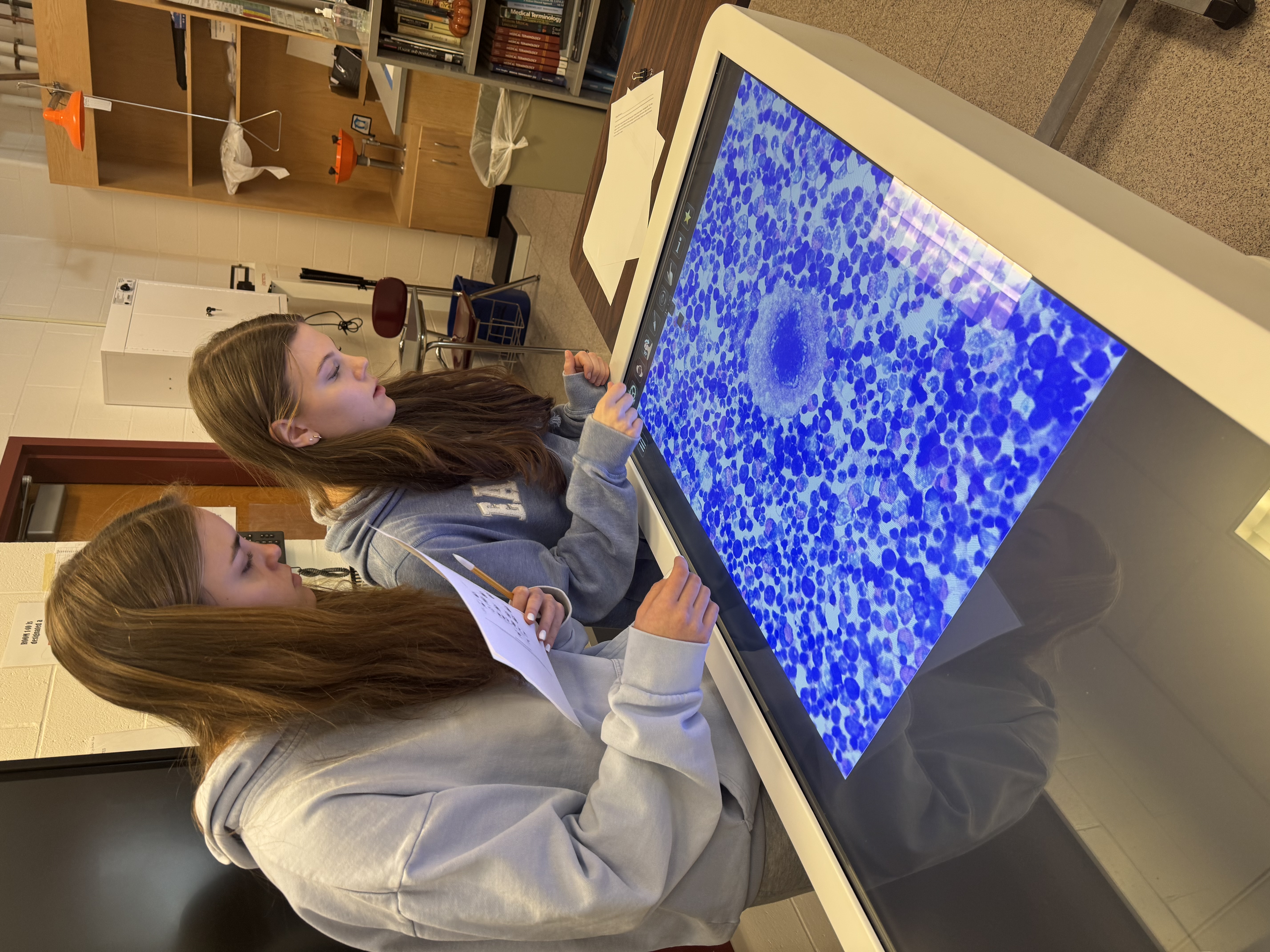
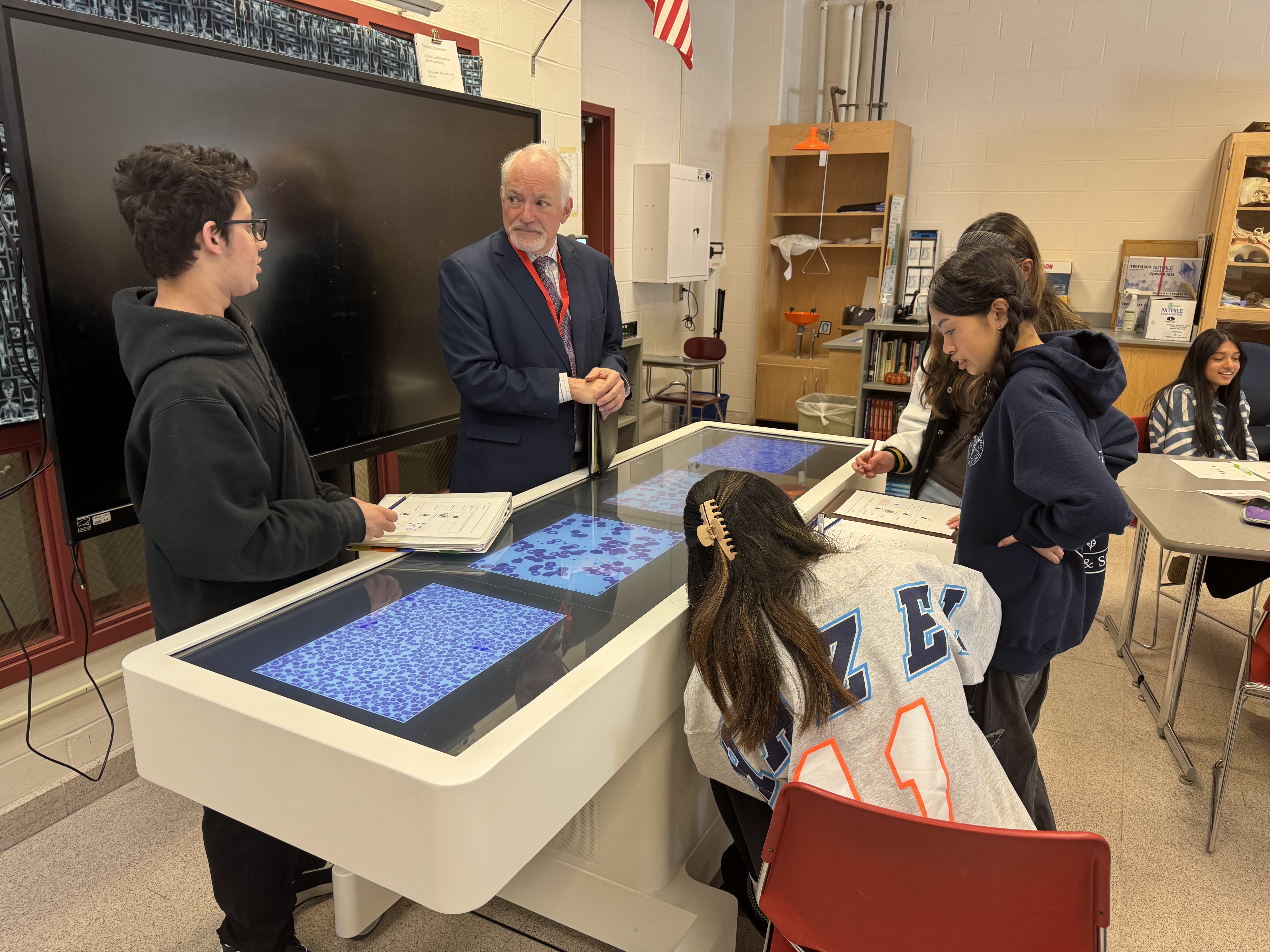
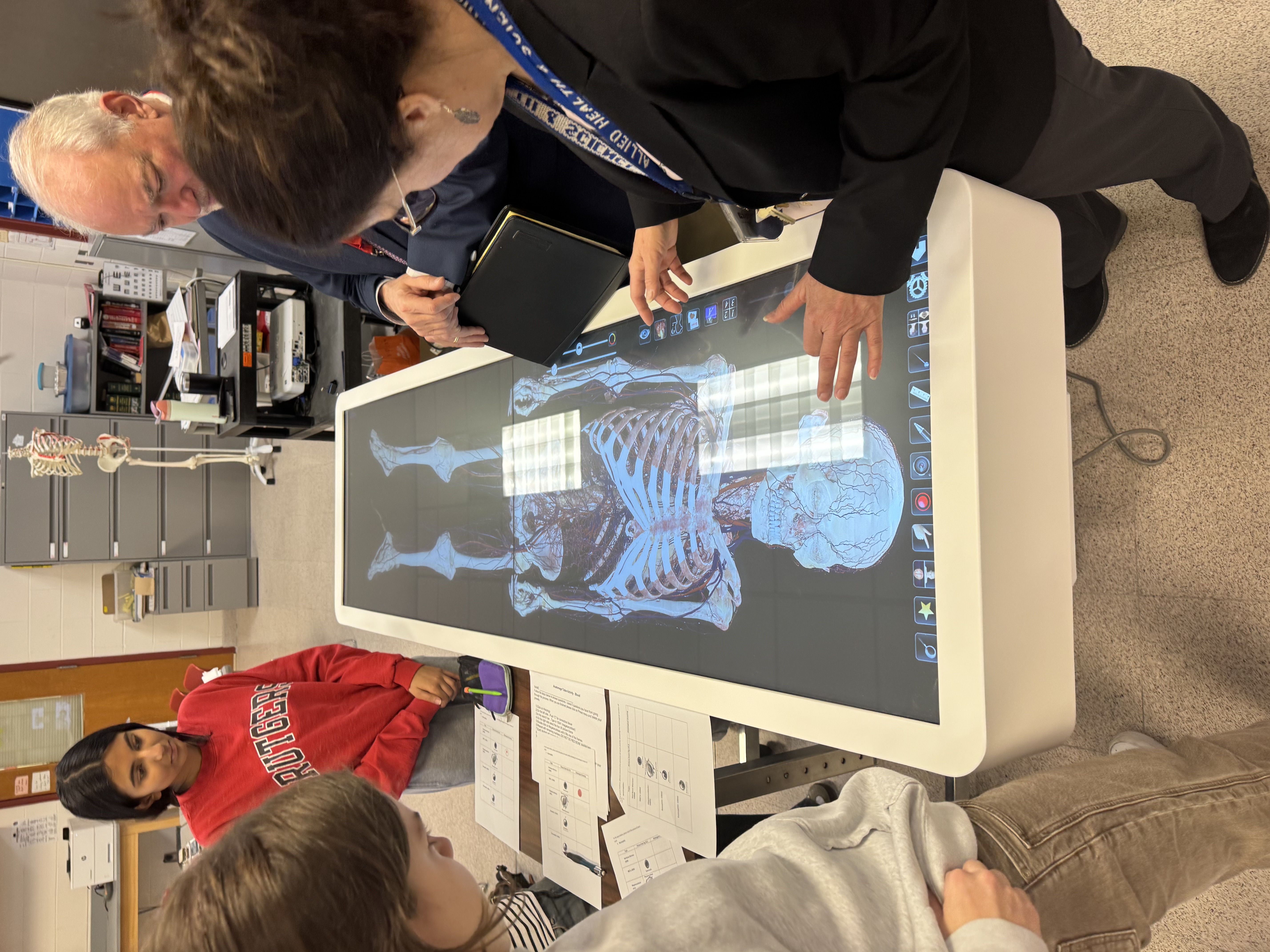
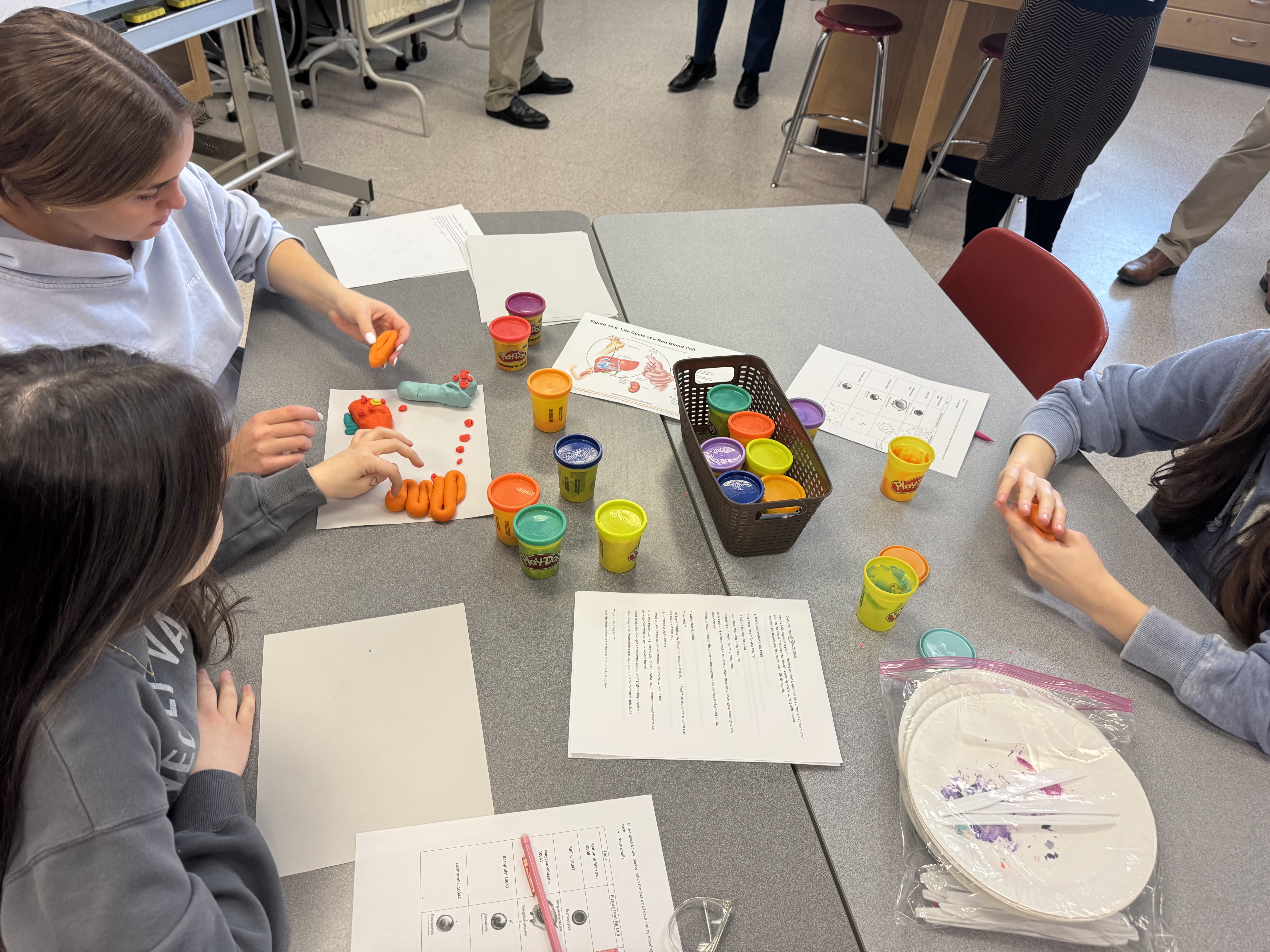
During the visit, students demonstrated their knowledge of anatomy and physiology through an interactive activity using anatomage tablets purchased through the grant. The demonstration showcased how technology is enhancing student engagement and deepening understanding of complex biological systems through hands-on, interactive learning experiences.
Orange Board of Education
On March 10, 2026, members of the Office of Career Readiness visited the Orange Board of Education school district, a recipient of the Elevate CTE Innovation Grant. Through this grant, the district has chosen to enhance its Allied Health and Sciences Career and Technical Education (CTE) program of study, strengthening its ability to prepare students for high-demand, high-wage careers in one of New Jersey’s fastest-growing and most essential industries—healthcare.
Healthcare in New Jersey continues to expand rapidly. In response to this growth, the district is focused on ensuring students graduate with both academic preparation and industry-recognized, stackable credentials that increase their workforce readiness. In addition to earning dual enrollment college credit through Rutgers University School of Health Professions, students can also obtain certifications while still in high school, strengthening their postsecondary and career pathways.
A key strength of the program is its long-standing partnership with Cooperman Barnabas Medical Center, a 597-bed, fully accredited acute care teaching hospital located just minutes from the high school campus. Since 2023, Cooperman Barnabas has hosted student cohorts for immersive job shadowing experiences across multiple hospital departments. Students are mentored by staff volunteers during structured three-day experiences, each consisting of four-hour shifts that take place during peak patient care hours, allowing students to observe authentic clinical operations in real time.
This partnership extends beyond job shadowing. Cooperman Barnabas Medical Center representatives serve on both the hospital’s community advisory board and the district’s Health Science CTE advisory board. The hospital also provides community health education sessions for students, families, and stakeholders in both in-person and virtual formats. This sustained collaboration, spanning more than six years, continues to evolve in support of shared goals around workforce development and community health.
Through the Elevate CTE Innovation Grant, the district is working closely with Cooperman Barnabas Medical Center and other industry partners to redesign curriculum, define updated skill expectations, expand work-based learning opportunities, and provide professional development to upskill certified teaching staff within the Health Science program.
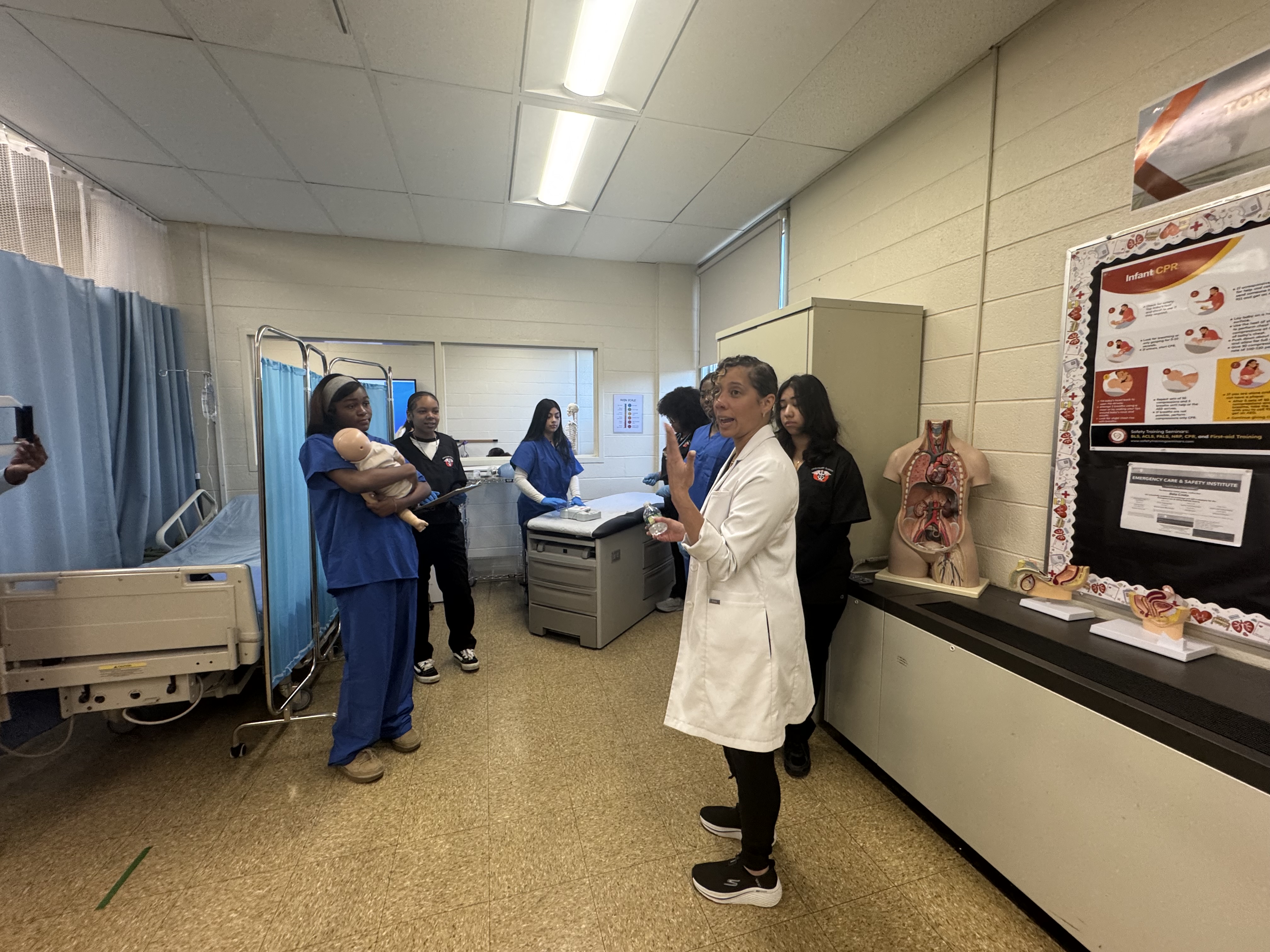
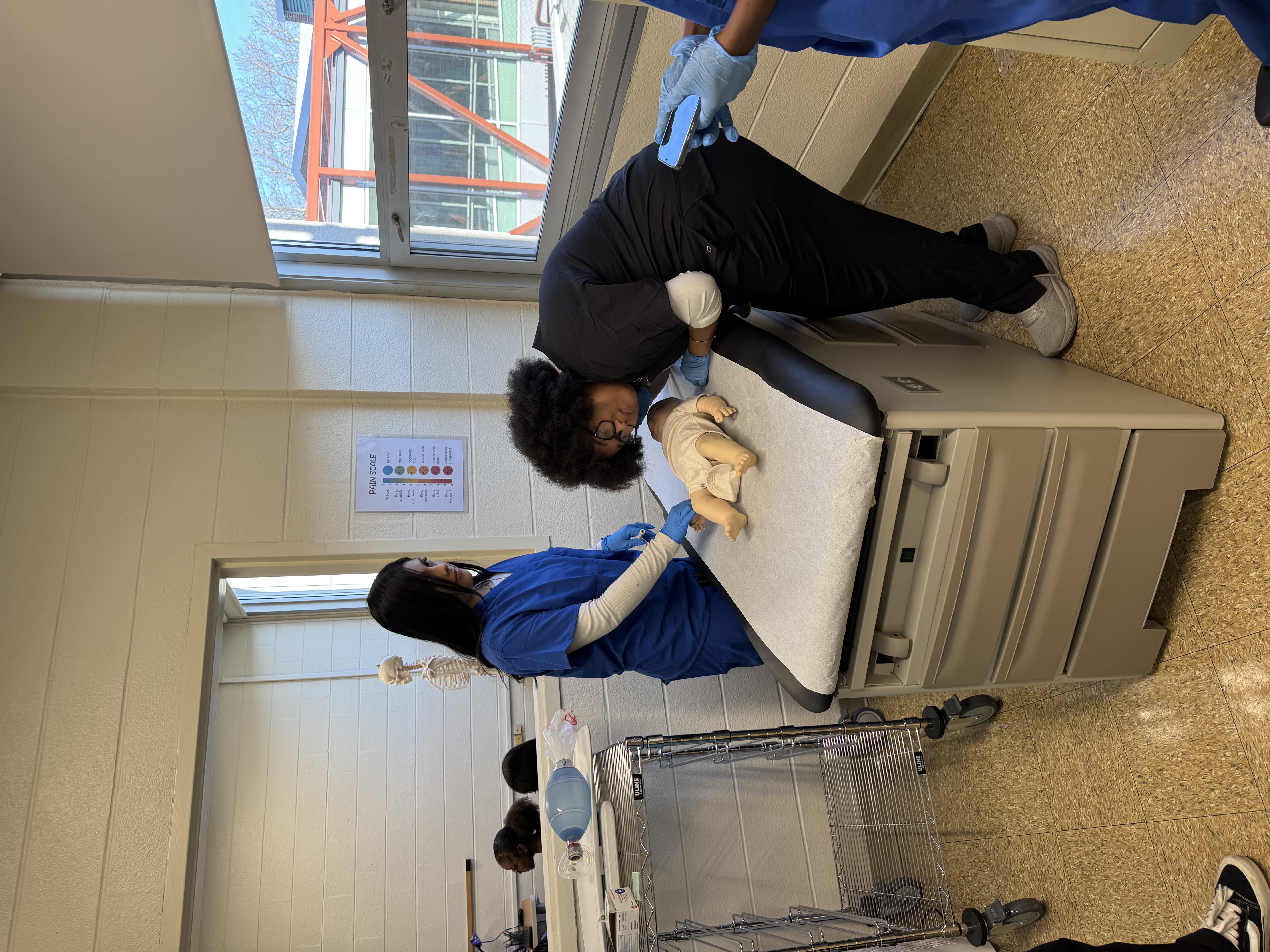
A major component of the initiative is the redesign of the instructional environment to mirror a real urgent care or emergency room setting. The classroom now includes a simulated clinical space designed as a patient care bay equipped with mannequins, diagnostic tools, and medical equipment, alongside a didactic learning area featuring Chromebooks, smart boards, and collaborative seating. This dual-environment approach allows students to seamlessly connect theory with practice.
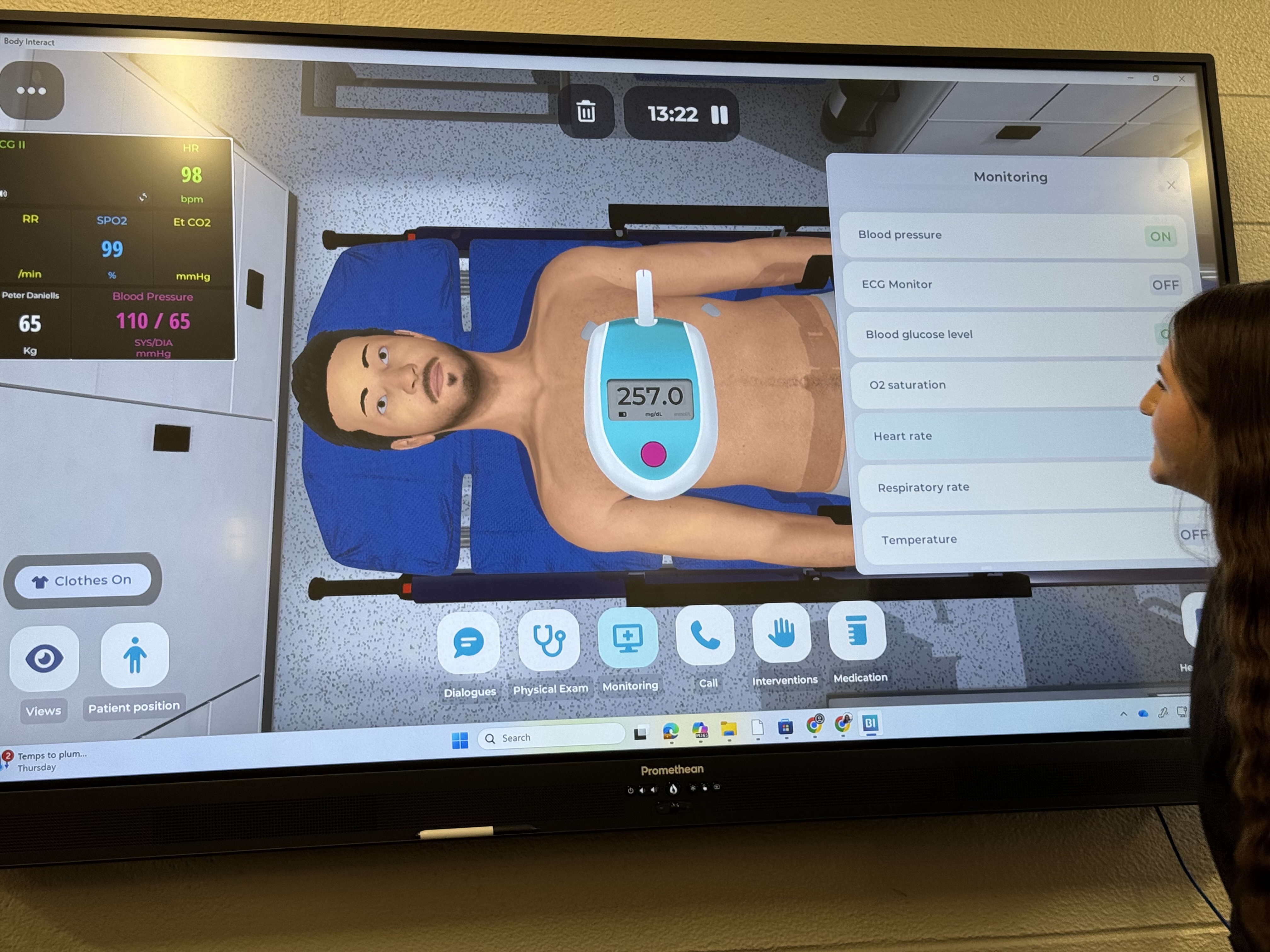
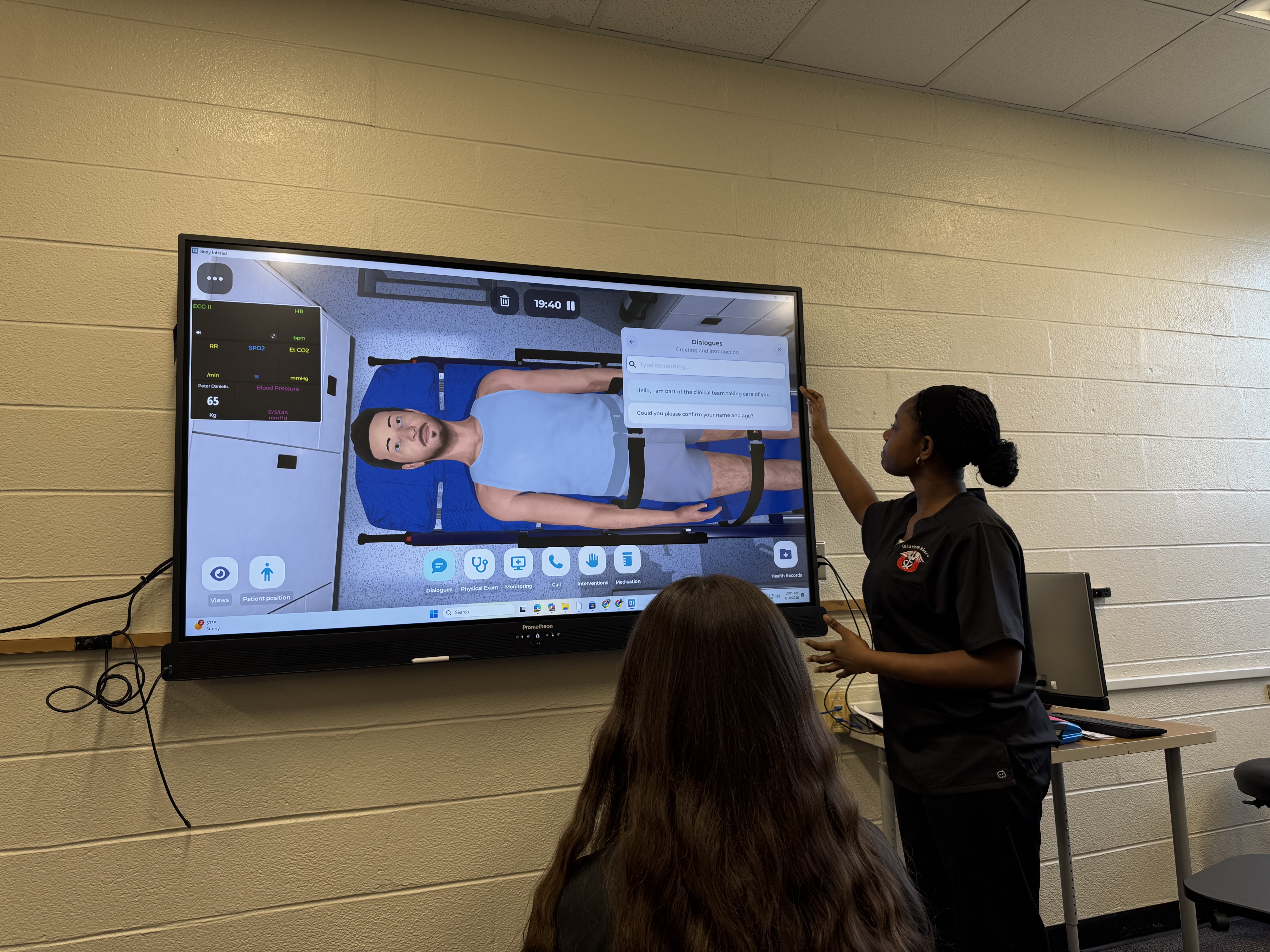
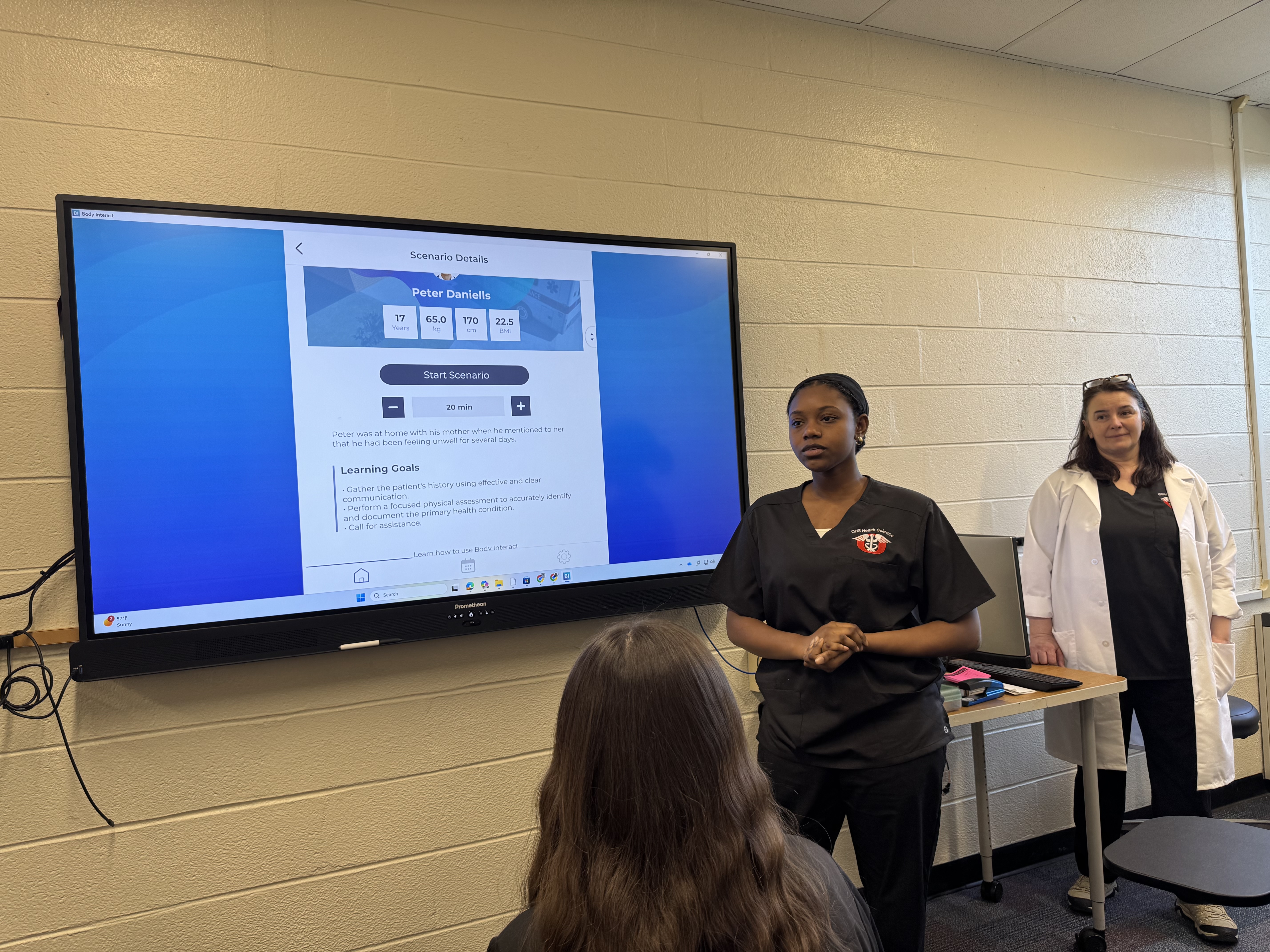
Technology integration plays a central role in instruction, including virtual patient simulation platforms such as Body Interact, augmented reality tools for skill development, and AI-driven feedback systems that support student growth. Students engage in virtual case scenarios, simulated medical assisting tasks, and progressive skill-building activities that prepare them for real-world clinical experiences.
To support this transformation, the grant also funds comprehensive professional development for instructors focused on AI in healthcare education, simulation-based instruction, and equity-centered teaching practices. This training is delivered through job-embedded coaching from a VILS coach, consultation with an emergency medicine physician, attendance at national health sciences education conferences, and ongoing district and school-based professional learning throughout the year.
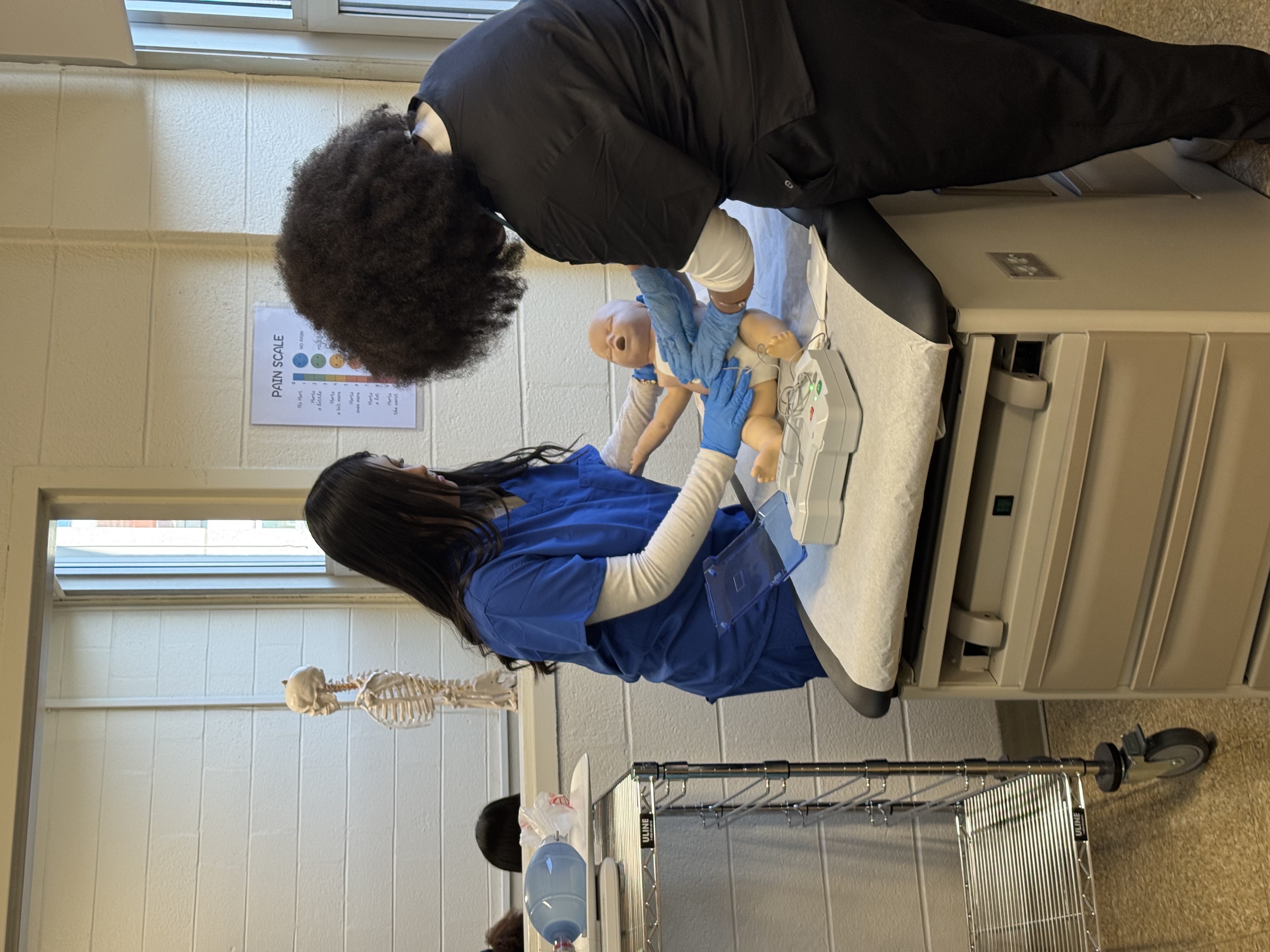
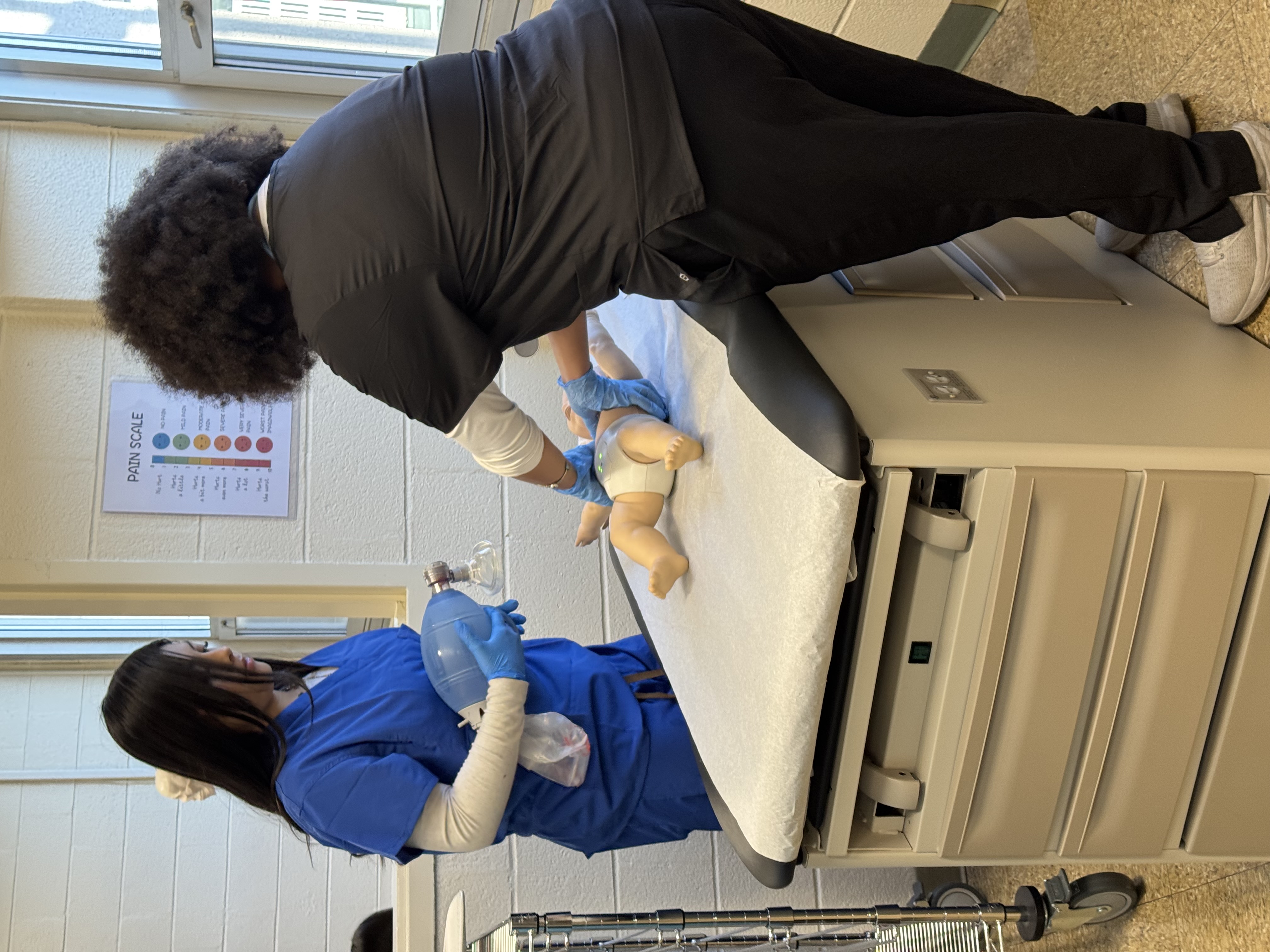
During the March 10 visit, observers witnessed students actively engaged in a high-intensity emergency scenario involving a non-breathing infant. Students responded using clinical protocols, teamwork, and critical thinking skills to stabilize and treat the patient, demonstrating the effectiveness of simulation-based learning.
In a separate classroom demonstration, educators showcased how the Body Interact virtual patient simulation platform is being used to enhance instruction. This cloud-based system provides immersive clinical scenarios, augmented reality features, and AI-supported feedback, allowing students to refine their decision-making and clinical reasoning skills in a safe, controlled environment.
Together, these enhancements position the Orange Board of Education’s Health Science CTE program of study as a forward-thinking model for integrating technology, industry partnerships, and real-world learning experiences to prepare students for the future of healthcare.
Middlesex County Vocational School District
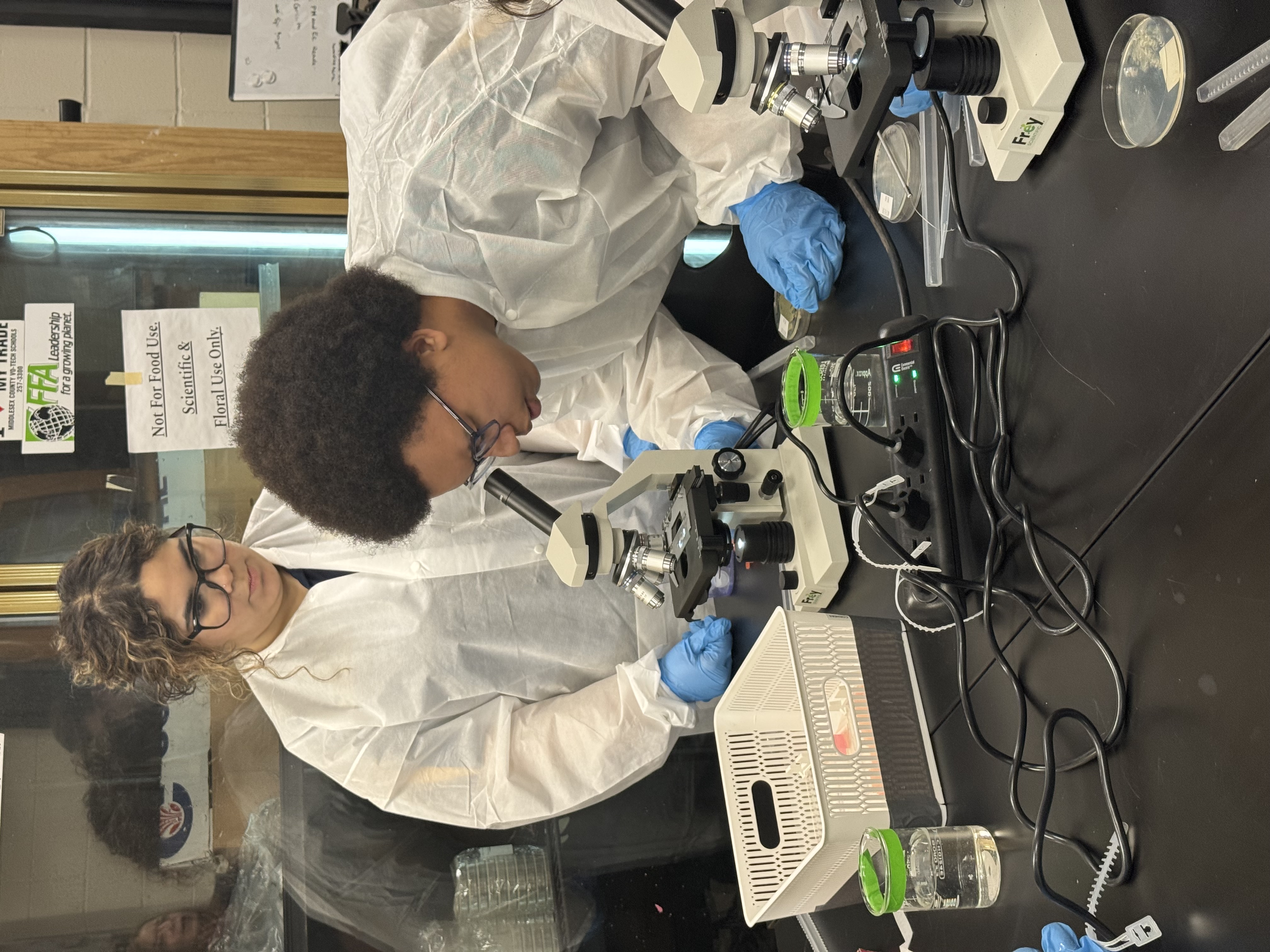
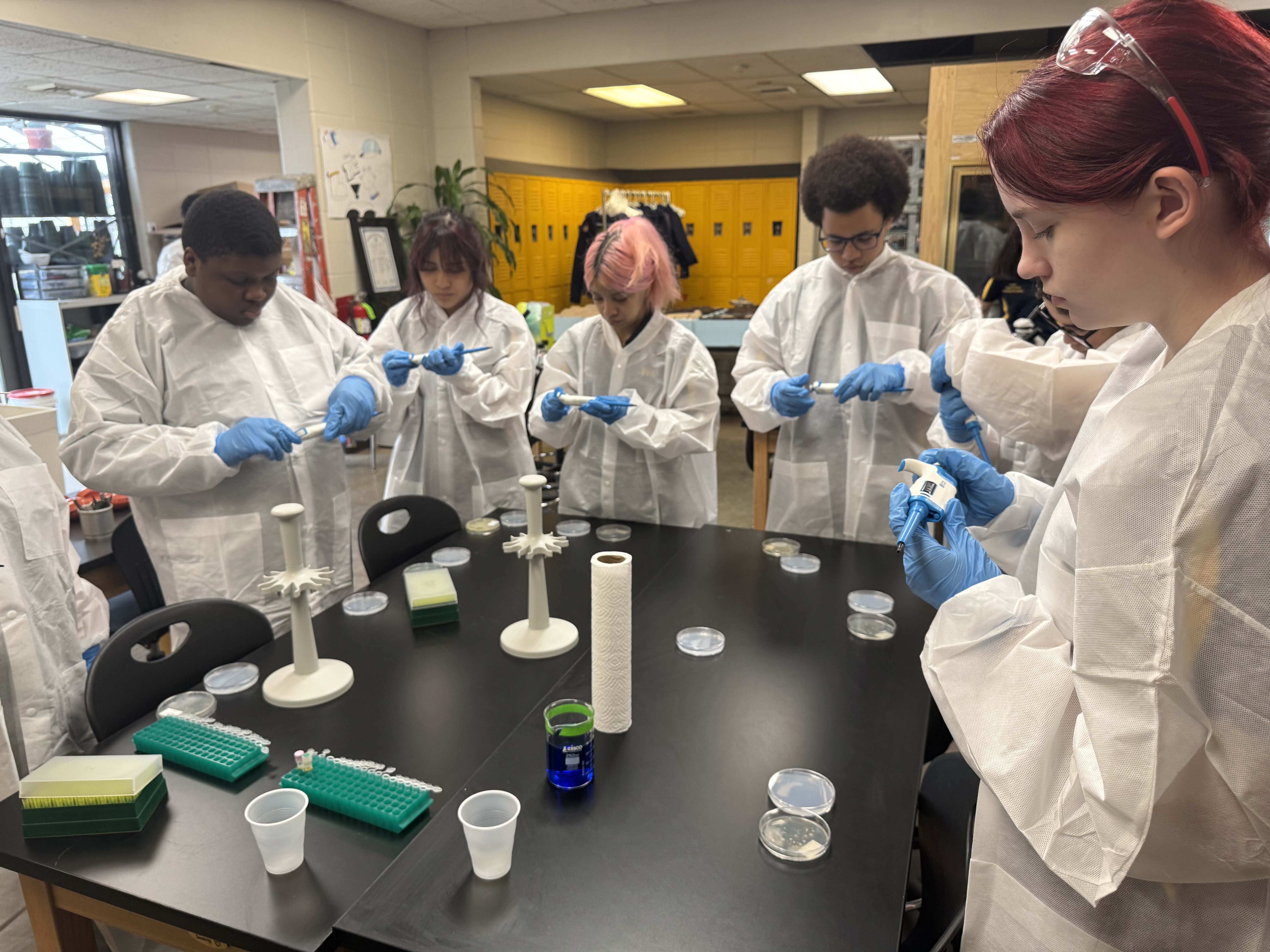
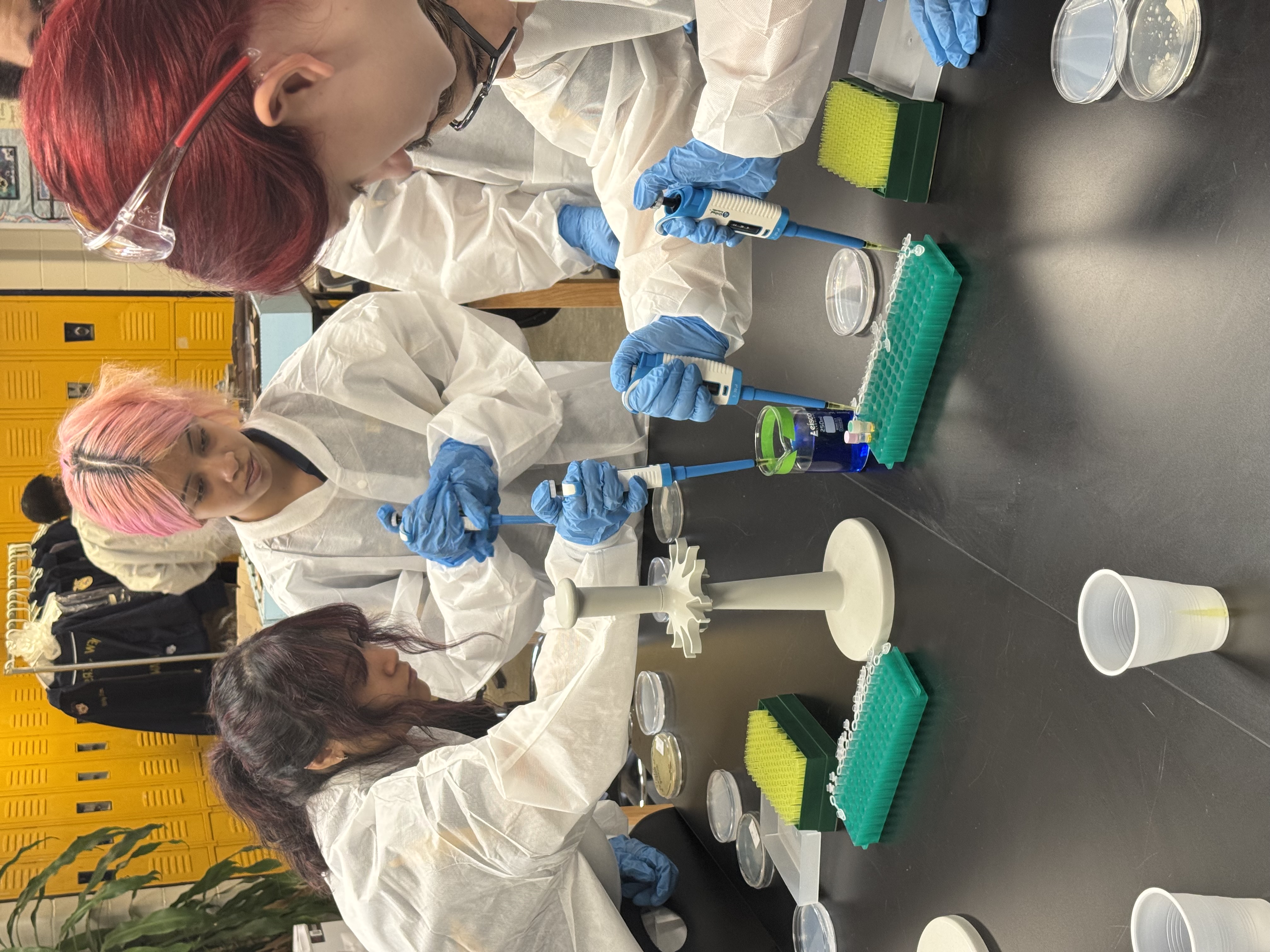
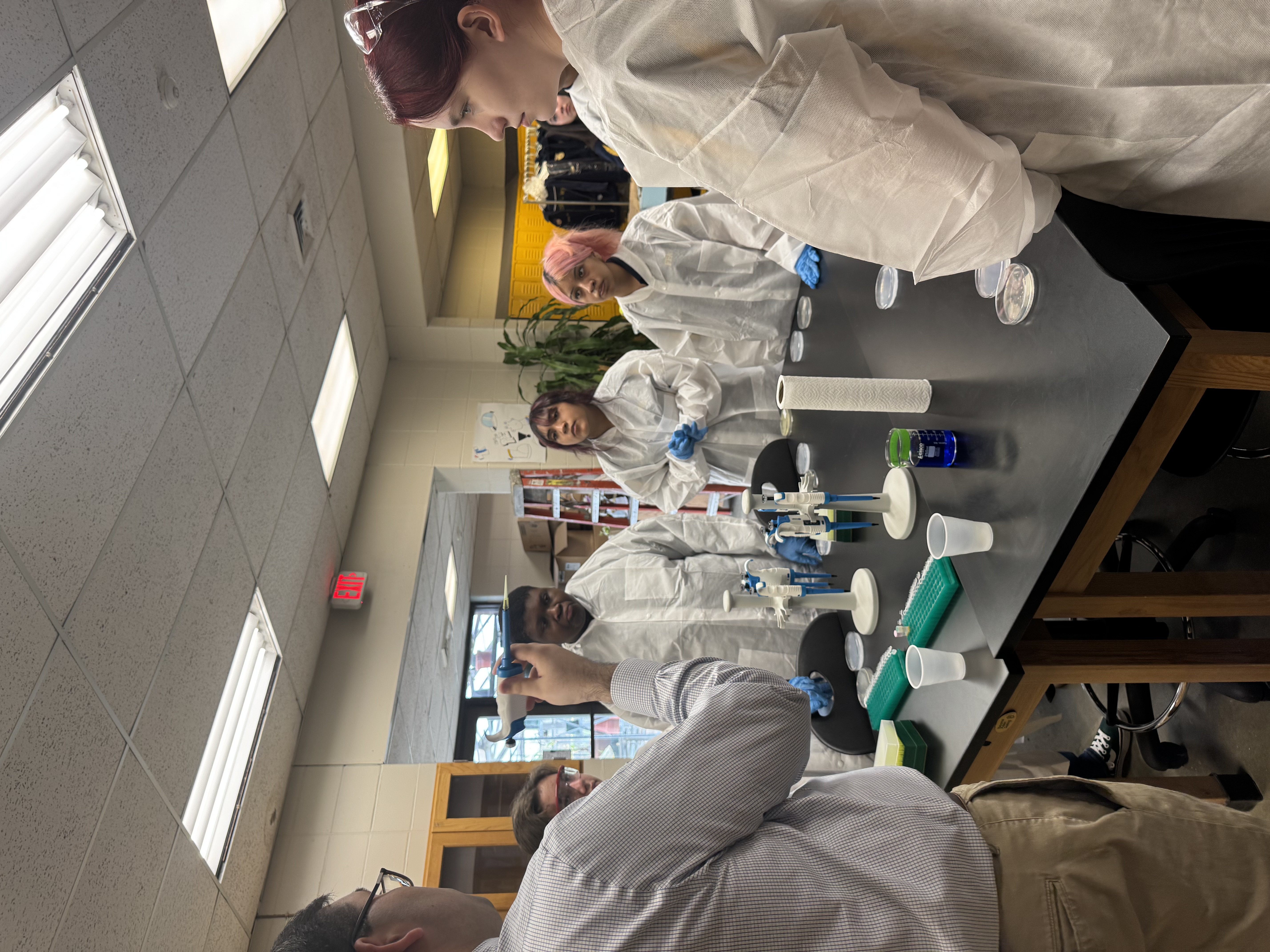
On March 27, 2026, members of the Office of Career Readiness visited the Middlesex County Vocational and Technical Schools – Piscataway Magnet School Campus to observe how the district is leveraging Elevate CTE Innovation Grant funding to strengthen and modernize its Career and Technical Education programs.
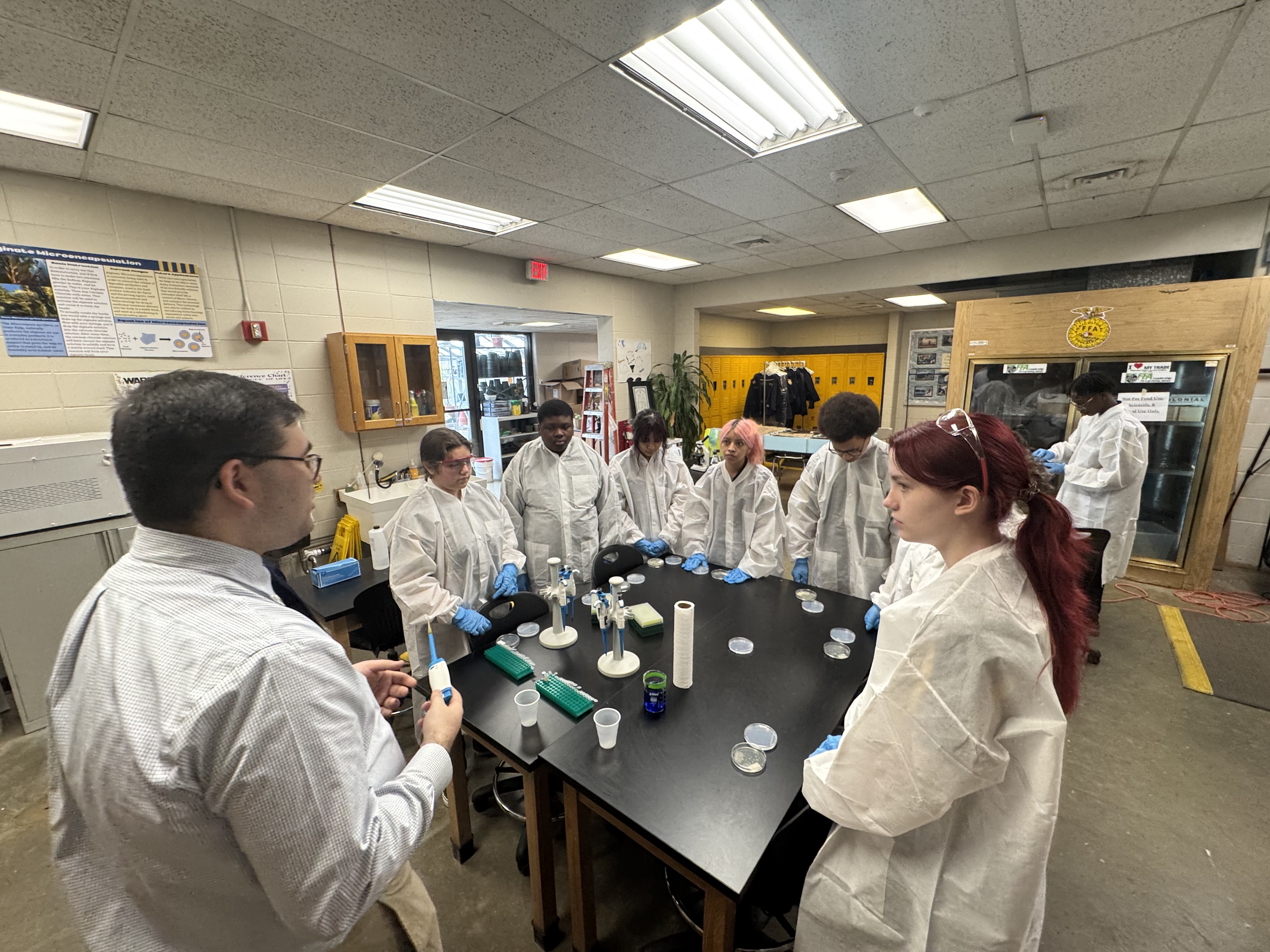
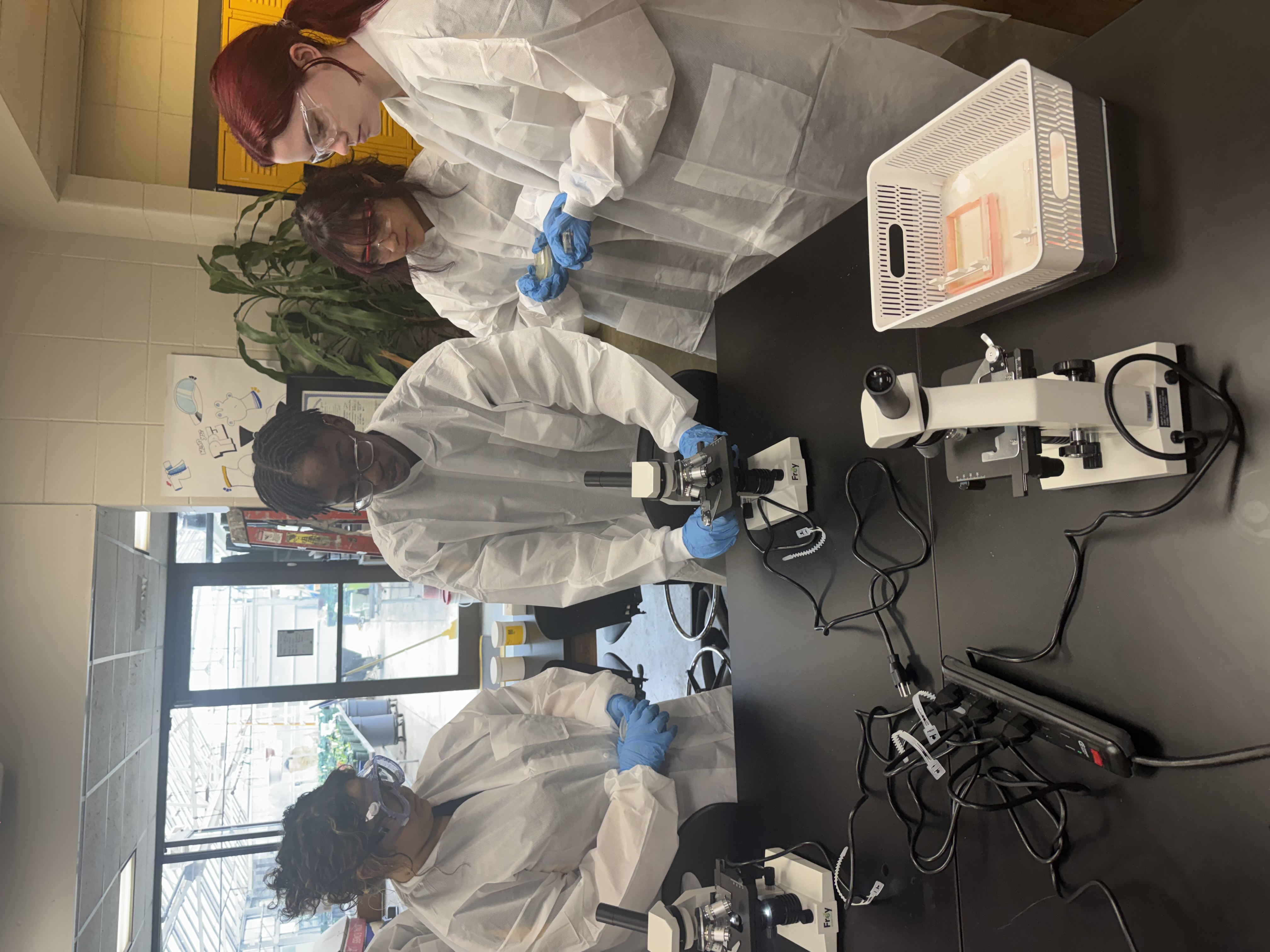
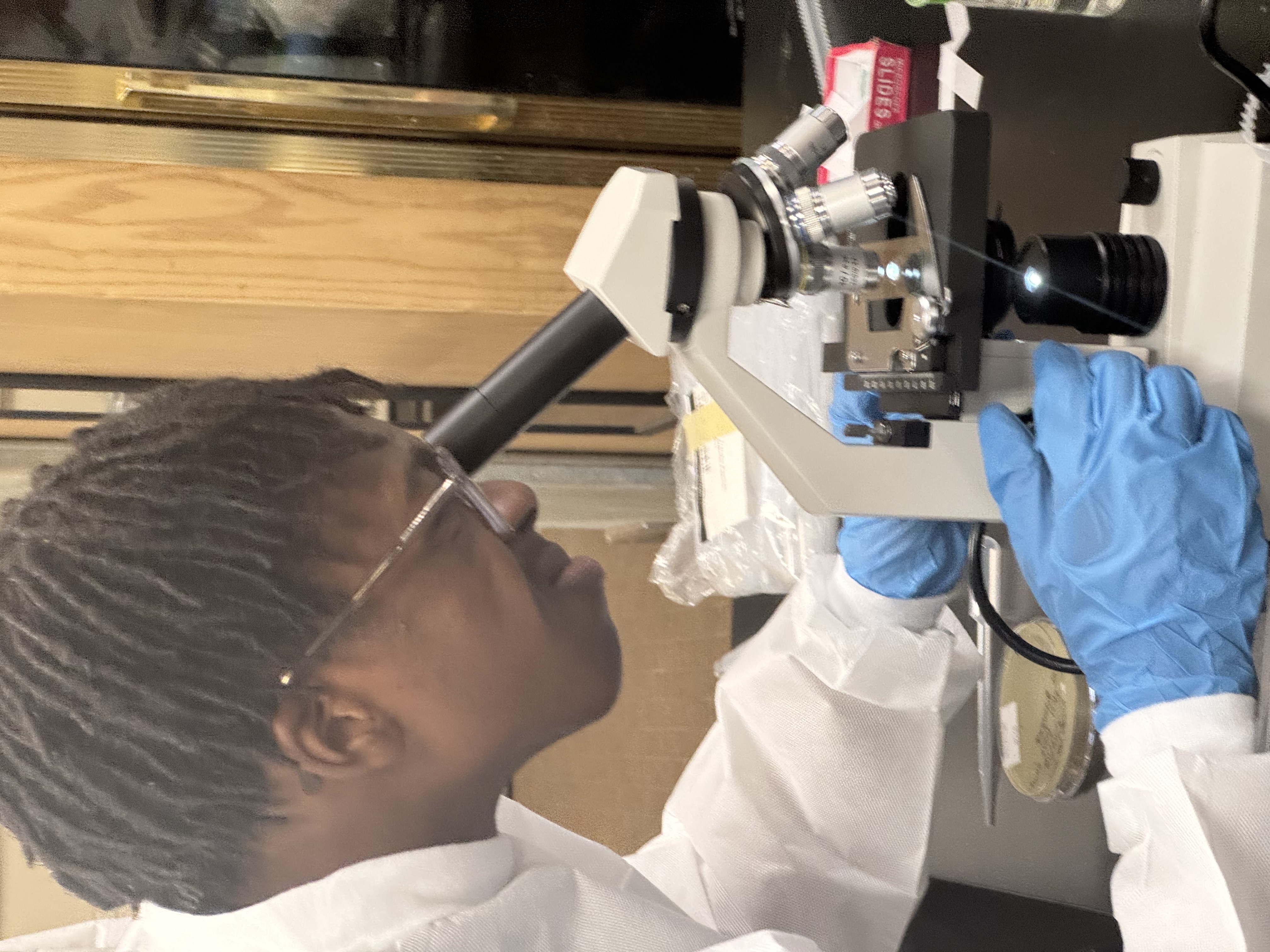
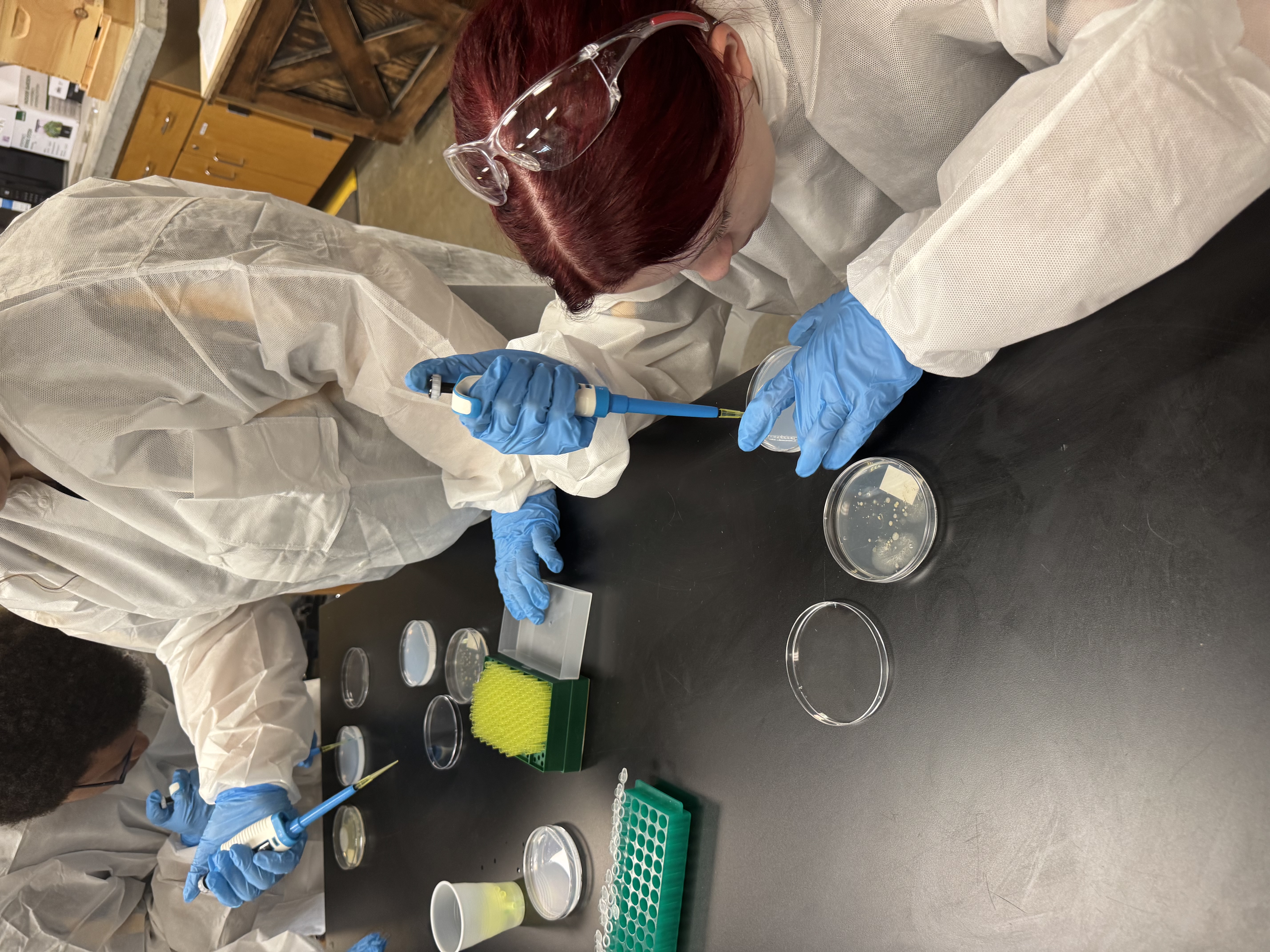
As a grant recipient, the district chose to enhance its existing Agriscience program in response to workforce needs identified by the Middlesex County Workforce Development Board, particularly in the growing Food Innovation sector. This initiative is designed to bridge the gap between classroom instruction and evolving industry demands by introducing the CASE (Curriculum for Agricultural Science Education) Agricultural Biotechnology curriculum into the program of study.
Through this effort, students gain access to cutting-edge tools, technologies, and learning experiences aligned with New Jersey’s key industry sectors, including Biopharmaceutical and Life Sciences, Manufacturing, and Construction and Energy. Over the one-year grant period, the district is implementing key activities such as adopting and customizing the CASE Agricultural Biotechnology curriculum, providing specialized teacher training through CASE professional development, and acquiring advanced laboratory equipment to support hands-on learning.
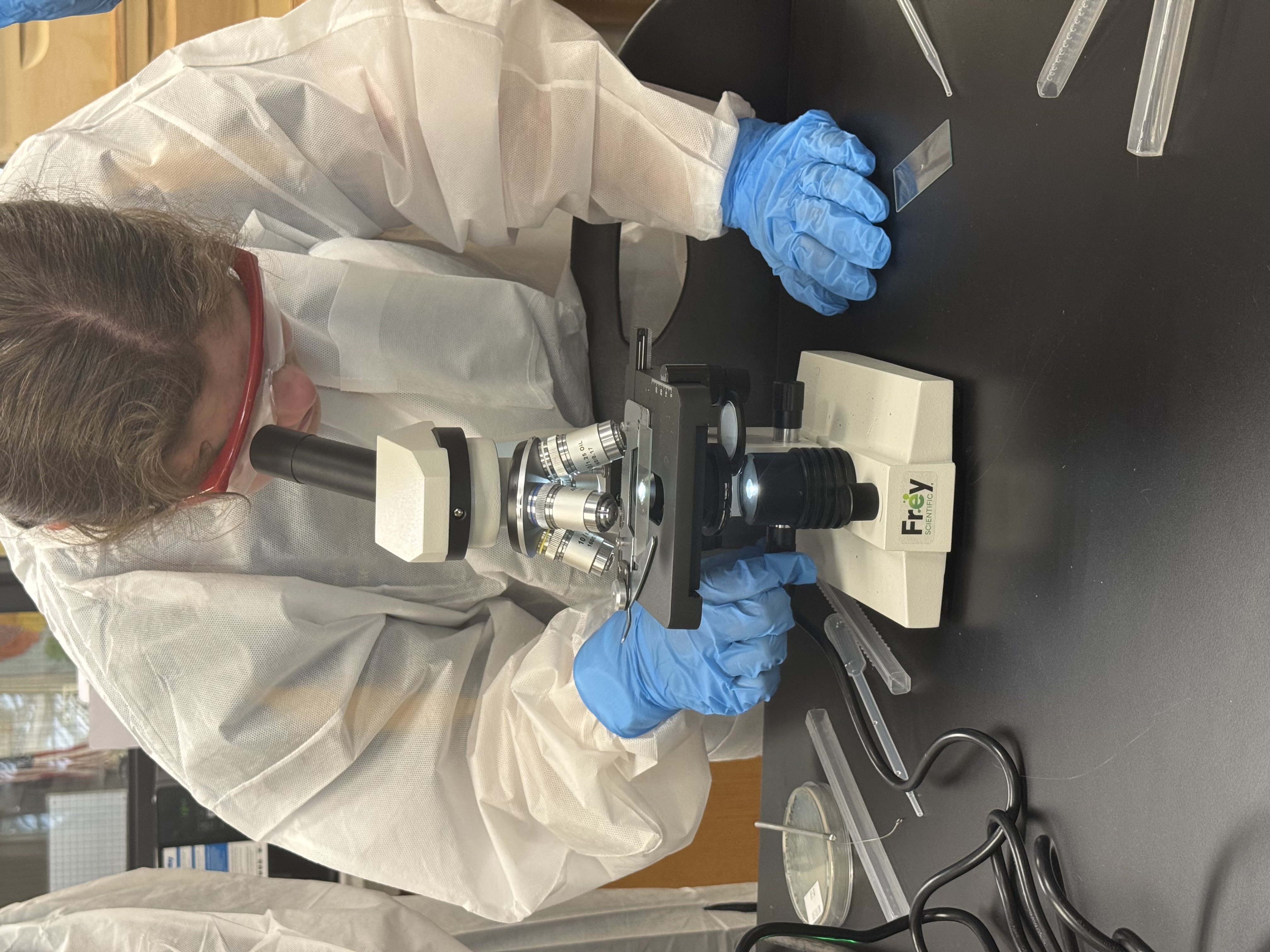
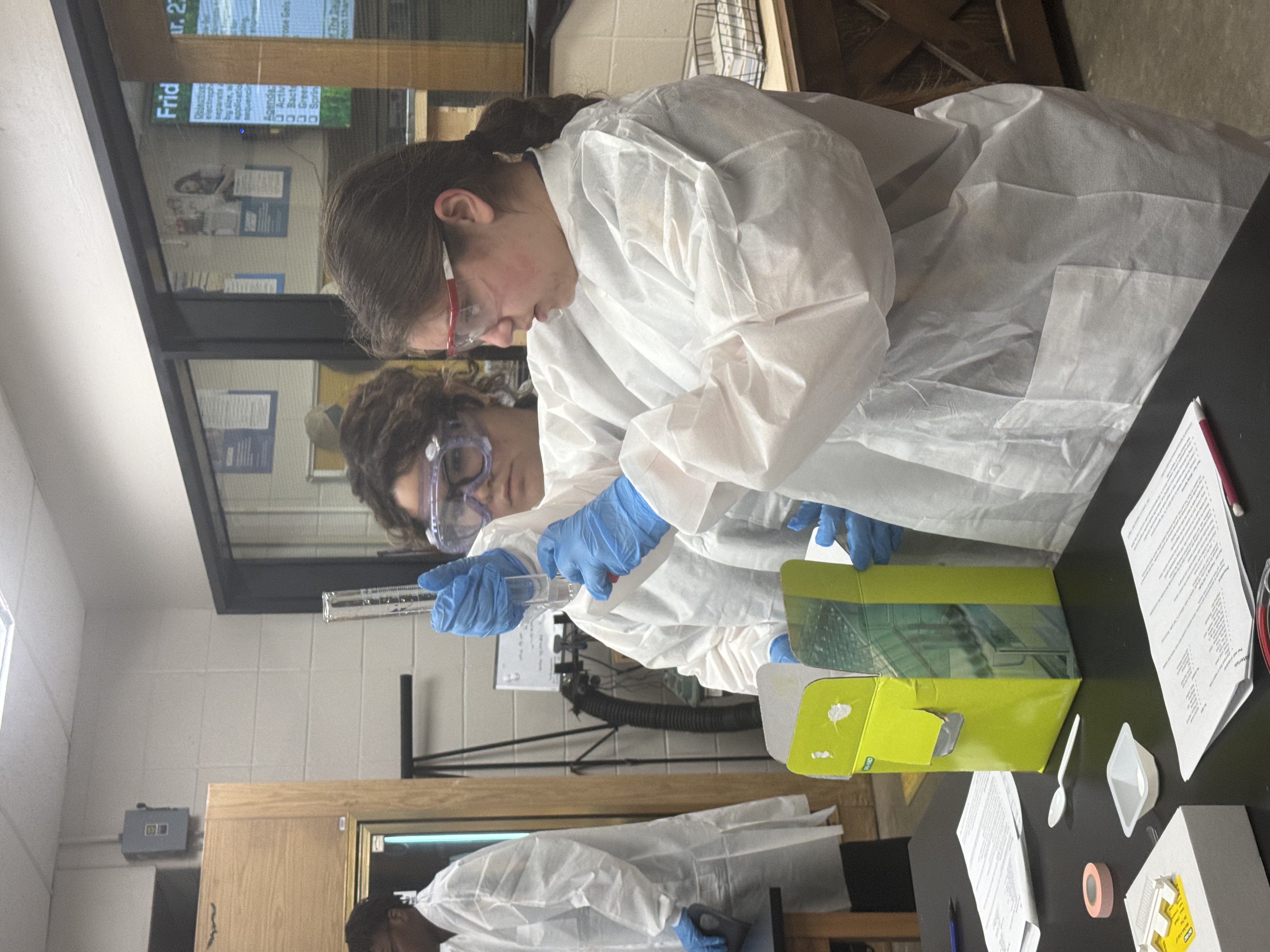
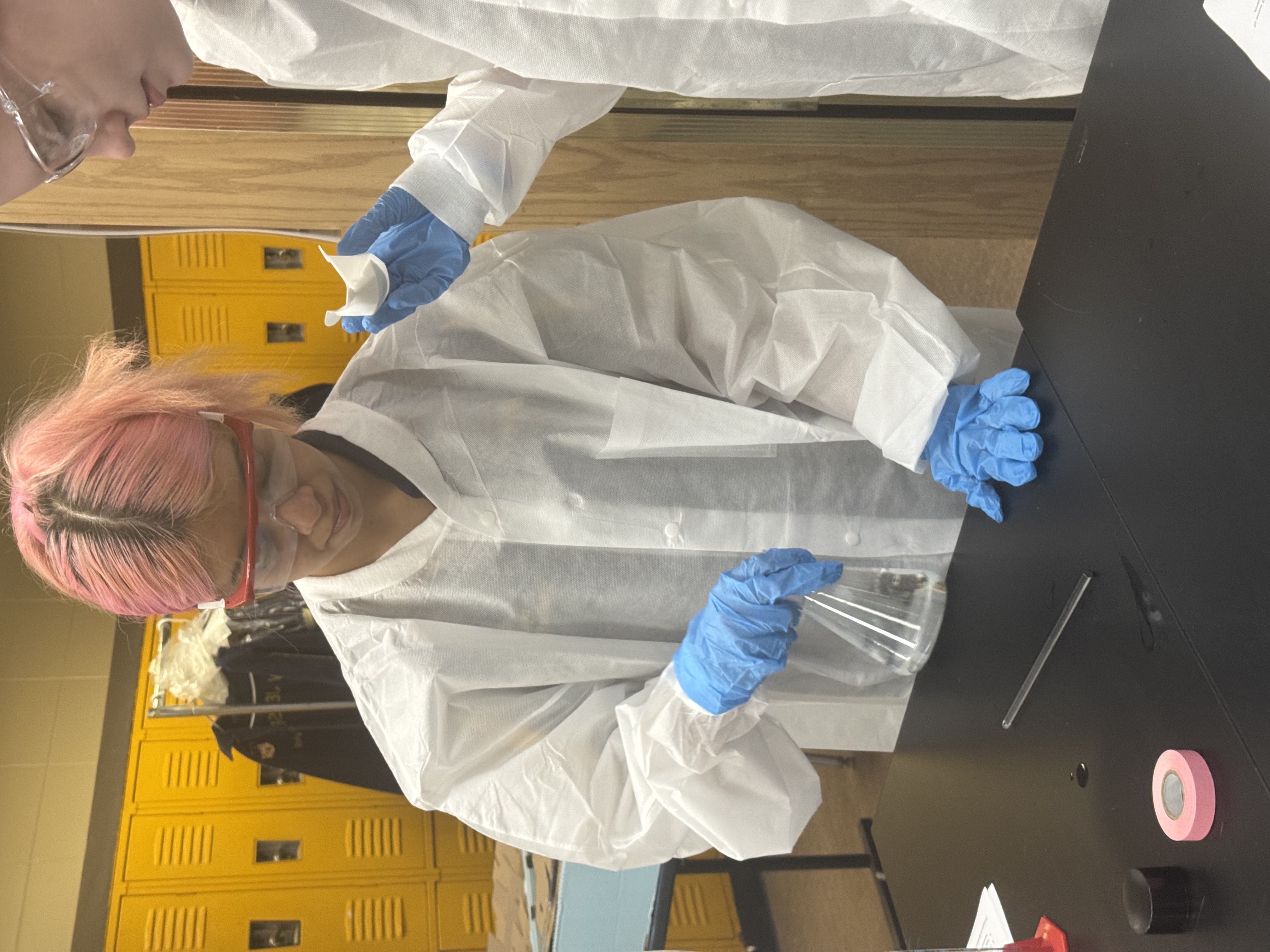
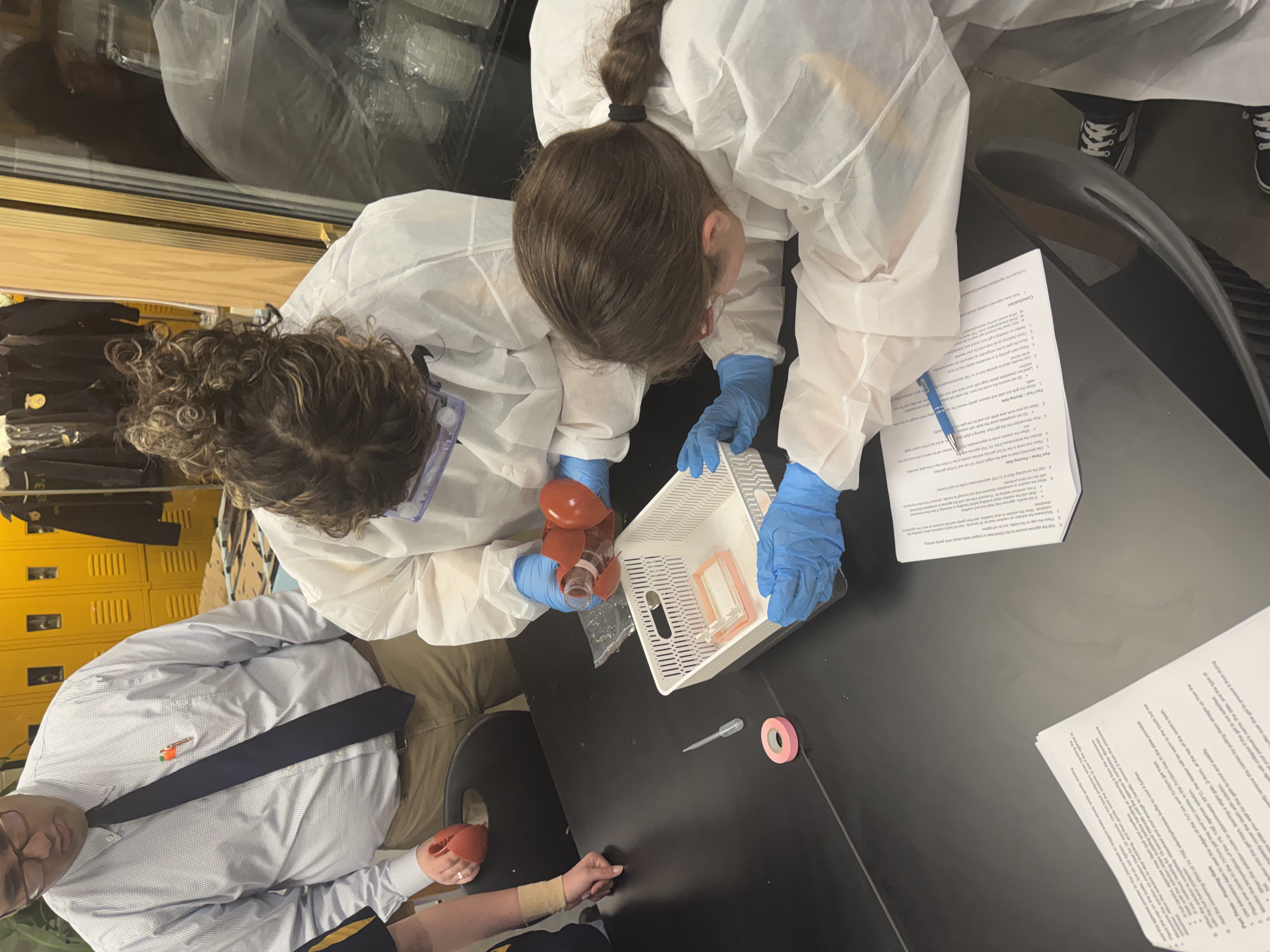
During the visit, Office of Career Readiness team members observed students actively using newly purchased equipment in a hands-on biotechnology activity. This included electrophoresis systems, micropipettes, centrifuges, thermal cyclers, and a variety of lab kits and reagents—tools that allow students to engage directly in authentic biotechnology practices and experiments. These resources are transforming the classroom into a dynamic, lab-based learning environment where scientific concepts are applied in real-world contexts.
The initiative also strengthens the district’s partnership with Replenish, supporting both curriculum alignment and the expansion of meaningful work-based learning opportunities.
Serving students in grades 9–12, this project is designed to prepare learners for high-demand careers while contributing to New Jersey’s workforce talent pipeline. Progress will be monitored through clearly defined benchmarks throughout implementation.
Upon completion, the enhanced Agriscience program will feature a robust Agricultural Biotechnology course grounded in project-based learning and aligned with industry standards—equipping students with the knowledge, technical skills, and experiences needed for success in postsecondary education and the modern workforce.