Official Site of The State of New Jersey

NJMIHIA Celebrates a Year of Connection and Collaboration Through Doula Town Hall Series
Quarterly gatherings connected doulas and birth workers with resources, State partners, and opportunities to help shape maternal health initiatives
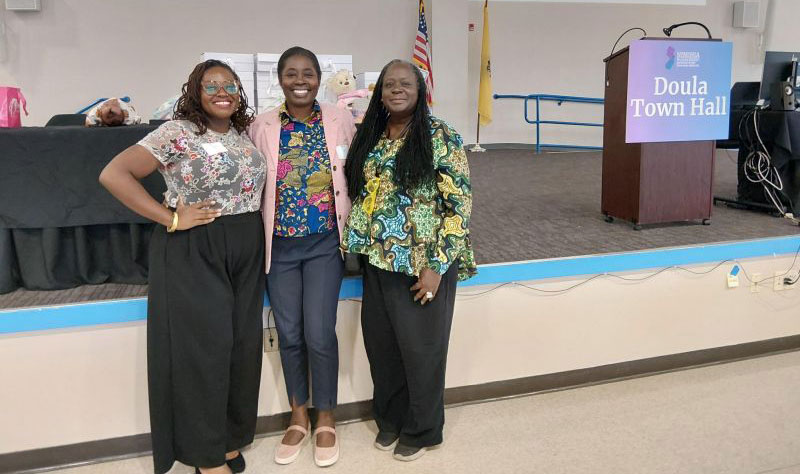
TRENTON, NJ (October 19, 2026) — The New Jersey Maternal and Infant Health Innovation Authority (NJMIHIA) marked a year of connection and collaboration at its October 8 Doula Town Hall, the fourth gathering in an ongoing series that brings doulas, birth workers, State partners, and maternal health stakeholders together to share resources and help shape maternal health initiatives.
“Doulas are essential partners in building a maternal and infant health system that is more equitable, responsive, and rooted in the needs of our communities,” said Lisa Asare, President and CEO of NJMIHIA. “Throughout this year’s Town Hall series, doulas and birth workers generously shared their expertise, experiences, and ideas. Their voices will continue to inform our work as we strengthen New Jersey’s perinatal workforce and improve outcomes for mothers, babies, and families across the state.”
The town hall featured updates and resources relevant to New Jersey’s doula community, including a presentation by Vu-An Foster, MPH, DrPH student, founder of Life After 2 Losses, and member of NJMIHIA’s Community Advisory Committee. Participants also received information about NJ FamilyCare doula services and asked questions, exchanged ideas, and shared feedback about the needs of doulas and the families they serve.
“Despite more than a decade of public health expertise through education, training, and professional roles, my most valuable insight has come from my own lived experience and from supporting women and families through Life After 2 Losses,” Foster said. “At the Doula Town Hall, I shared a glimpse into those experiences, paired with practical tools, tips, and hands-on opportunities that can help doulas bridge the gap between training and practice. The goal is for the doulas to feel more confident in their ability to show up and support families experiencing pregnancy and infant loss, because while we cannot change the devastation of losing a baby, the care a family receives in those moments can make the difference between feeling alone in their grief and knowing someone is there to help them through one of the most devastating moments of their lives.”
The gathering followed NJMIHIA’s announcement that 29 doula trainings are now approved for NJ FamilyCare enrollment, expanding training options for doulas seeking to serve NJ FamilyCare families. Doulas interested in supporting NJ FamilyCare members are encouraged to use the NJ Doula Assistant, an online tool that guides individual doulas through the Fee-for-Service enrollment application.
In recognition of Hispanic Heritage Month, the gathering also included a reflection on maternal health in Latino communities and the role of movement in healing and connection. In New Jersey, pregnancy-related mortality is 2.7 times greater among Hispanic women than among white, non-Hispanic women. The activities celebrated the communities that doulas serve, reinforced the importance of culturally and linguistically responsive care, and invited attendees to share strategies for building a more sustainable perinatal workforce in New Jersey.
Hosted in collaboration with the New Jersey Department of Health (NJDOH) and New Jersey Department of Human Services (NJDHS), the quarterly series provided a welcoming forum for doulas and birth workers to connect with one another, learn about available programs and tools, discuss barriers facing the workforce, and contribute to statewide maternal and infant health initiatives. Since the first gathering, participation has grown from 70 to 150 attendees, while the number of participating vendors increased from eight to 34.
“Navigating pregnancy and the postpartum period can be daunting, and we know that improving maternal and infant outcomes drives long-term health benefits for both parent and baby,” said Dr. Raynard E. Washington, NJDOH Commissioner. “Doulas are the guides who make good health possible, helping people find their way through complicated systems of care and high-stakes decisions, and ensuring their patients feel empowered.”
To date, NJMIHIA has hosted four town halls in which participants explored topics including workforce development, the sustainability of doula services, access to care, NJ FamilyCare billing and enrollment, community partnerships, cross-sector collaboration, and strategies to advance birth equity.
“Doulas are a critical part of the support families need throughout pregnancy, childbirth, and the postpartum period, providing trusted physical, emotional, and advocacy support,” said Human Services Commissioner Dr. Stephen Cha. “They help ensure families are heard, supported, and equipped to make informed decisions about their care. As we conclude this year’s Doula Town Hall series, we remain committed to listening to doulas, investing in their workforce, and expanding access to their invaluable services for NJ FamilyCare families."
Feedback gathered during the town halls helps NJMIHIA and its partners develop community-informed policies, programs, and resources. The discussions also reinforced the importance of sustained collaboration among doulas, state agencies, healthcare providers, and community-based organizations to ensure that families can access coordinated, culturally responsive care and support throughout pregnancy, birth, and the postpartum period.
NJMIHIA will continue engaging doulas and birth workers as part of its broader efforts to strengthen New Jersey’s perinatal workforce and create more equitable maternal and infant health outcomes.
The next doula town hall will be hosted in spring of 2027. To learn more about NJMIHIA’s work to support doulas and the perinatal workforce, visit the NJMIHIA website.
About the New Jersey Maternal and Infant Health Innovation Authority
The New Jersey Maternal and Infant Health Innovation Authority is dedicated to creating a New Jersey where all mothers and babies flourish. NJMIHIA works across sectors and alongside communities to advance equitable maternal and infant health outcomes, strengthen the perinatal workforce, foster innovation, and build sustainable systems of support for families throughout the state.
About the New Jersey Department of Human Services
The New Jersey Department of Human Services is the state’s largest agency, serving about 2.1 million New Jerseyans, or about one of every five state residents and one out of every three children. The Department serves older New Jerseyans, individuals and families with low incomes; people with developmental disabilities, or late-onset disabilities; people who are blind, visually impaired, deaf, hard of hearing, or deaf-blind; parents needing childcare services, child support and/or healthcare for their children; people who are dealing with addiction and mental health issues; and families facing catastrophic medical expenses for their children.
About the New Jersey Department of Health
The New Jersey Department of Health is a nationally accredited health department working to ensure that all New Jerseyans live long, healthy lives and reach their fullest potential. With more than 6,000 employees, the Department serves to protect the public’s health, promote healthy communities, and continue to improve the quality of health care in New Jersey.