 Official Site of The State of New Jersey
New Jersey Division of Animal Health Updates: September 2026
From the State Veterinarian’s Desk
Dear Stakeholders,
It is my pleasure to share the Division of Animal Health’s second newsletter, continuing our commitment to open communication about the Division’s activities supporting animal health and welfare in the State of New Jersey.
This year, we assisted New Jersey’s fairs and shows in meeting animal health requirements by providing an improved guidance document. Following the New World Screwworm incursion in Texas in June 2026, we issued a quarantine order to prevent its introduction into New Jersey and developed guidance and permitting procedures for livestock and pets originating from affected areas.
Over the summer, the Animal Health Diagnostic Laboratory expanded its offerings with three new services: an Equine Respiratory PCR Panel, Caseous Lymphadenitis serology for sheep and goats, and Theileria/Anaplasma PCR testing for cattle. We encourage equine and livestock veterinarians to take advantage of these reasonably priced diagnostic options.
We also supported training programs for future animal scientists and veterinary professionals through our highly skilled field and laboratory teams, helping prepare the next generation of experts.
Thank you for your continued vigilance and cooperation in safeguarding animal and public health in New Jersey. We welcome your feedback at state.veterinarian@ag.nj.gov.
Sincerely,
Dr. Amar Patil
Director/State Veterinarian
Ed Wengryn
Secretary of Agriculture
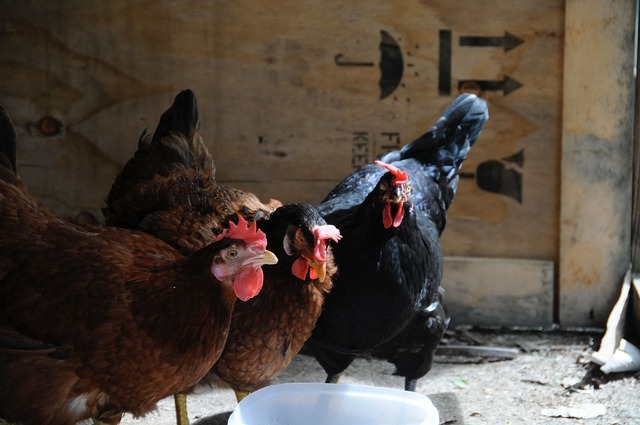
Veterinarians all know that call: a client with a handful of backyard chickens reaches out to your office because one bird is “not acting right” or dies suddenly. Avian influenza is still a concern in New Jersey, so you appropriately consider bird flu and direct the owner to contact the New Jersey Department of Agriculture (NJDA).
But what happens after that call?
NJDA and private veterinarians play different, but complimentary, roles when responding to sick poultry. Here’s what happens when a veterinarian or poultry owner contacts NJDA about a sick or dead domestic bird.
First: Triage
When someone calls NJDA at 609-671-6400 to report a sick or dead domestic bird, we collect information about the flock, clinical signs, mortality, husbandry, recent introductions, and potential exposures.
An NJDA veterinarian or animal health technician then follows up to evaluate the likelihood of avian influenza or other reportable disease and determine the appropriate next steps.
Second: Evaluation
If the history and clinical picture raise concern for avian influenza or another reportable disease, NJDA may conduct a disease investigation, including a site visit and collection of diagnostic samples, and coordinate any necessary follow-up.
If a non-reportable disease or husbandry issue is more likely, NJDA’s role may be limited. Diagnostic testing or necropsy may be available through the Animal Health Diagnostic Laboratory (AHDL), and the owner may be referred back to their veterinarian for additional care.
Where You, the Veterinarian, Come In
Private veterinarians are an important part of poultry health in New Jersey. You may be the first person to hear about unusual illness or mortality in a backyard flock, putting you in an important position to recognize signs that warrant reporting.
If bird flu or another reportable disease is on your list of differentials, please contact NJDA or encourage owners to call us. We’d much rather evaluate a report than miss a potentially significant disease.
A call to NJDA, however, does not necessarily replace veterinary follow-up. Once a reportable disease concern has been evaluated, poultry owners may still need help determining why their birds are sick and what to do next. A veterinarian with a valid veterinarian-client-patient relationship can provide ongoing clinical care, diagnostics, treatment, and flock management recommendations.
While NJDA focuses on identifying and responding to diseases of regulatory or epidemiological significance, private veterinarians provide the ongoing care and guidance poultry owners may still need after that initial evaluation.
A Diagnostic Resource for your Poultry Cases
The New Jersey Animal Health Diagnostic Laboratory is available to assist veterinarians investigating poultry illness or mortality. Low-cost diagnostic testing and necropsy can help provide answers when reportable diseases have been ruled out or are not suspected.
For more information on available testing and necropsy services, contact the AHDL at:
Phone: (609) 406-6999
Email: jerseyvetlab@ag.nj.gov
Website: www.nj.gov/agriculture/ahdl/
.jpg)
Many New Jersey residents enhance their backyard experience by maintaining bird feeders and bird baths to attract and support bird populations. While this aids both the migrating travelers and the local overwintering bird populations with much needed energy into the fall and winter, these lawn features can also risk exchange and spread of infectious diseases, not only to wild birds, but to other wildlife, domestic poultry, pets and people.
As avian influenza persists into another season, promoting simple but effective biosecurity habits empowers residents with ways to protect themselves, their family members, and their communities. According to the New Jersey Audubon, bird feeders should be cleaned regularly with hot soapy water or one part bleach to nine parts water and allowed to dry completely before being refilled. Bird baths should have their water refreshed frequently and cleaned as needed, not only to prevent zoonotic diseases from spreading among birds, but to also inhibit mosquito breeding.
Other considerations include rotating bird feeder hanging locations or routinely removing seed remnants and droppings beneath feeders, which can reduce the risk of other birds, wildlife, pets, and people being exposed to potentially infectious material. If homeowners have their own backyard poultry, feeders and baths should be kept away from domestic birds. Residents should wear disposable or washable gloves and wash hands before and after any cleaning or handling any related equipment.
The NJ One Health resource page contains several printable materials, including a Backyard Biosecurity trifold brochure in both English and Spanish. We also have a helpful recorded webinar from knowledgeable experts at the NJDA Division of Animal Health on common concerns for backyard poultry health in New Jersey, available to watch at any time.
To get involved in NJ One Health, contribute content to the listserv, attend Task Force meetings, and reach out to us at OneHealth@ag.nj.gov with questions and ideas. We always welcome collaboration with New Jersey’s hardworking veterinary field in promoting the health of animals, humans, and the environment.
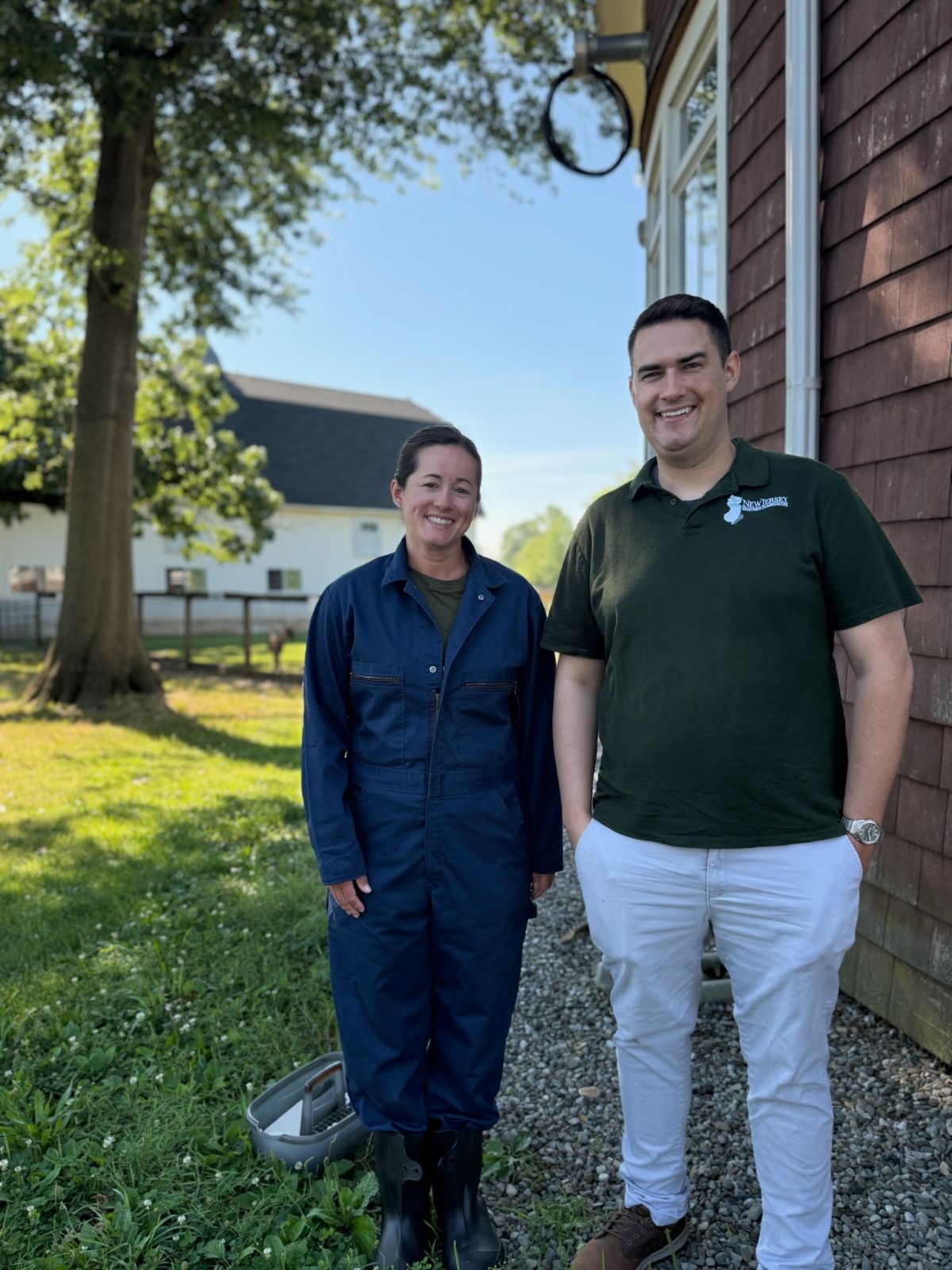
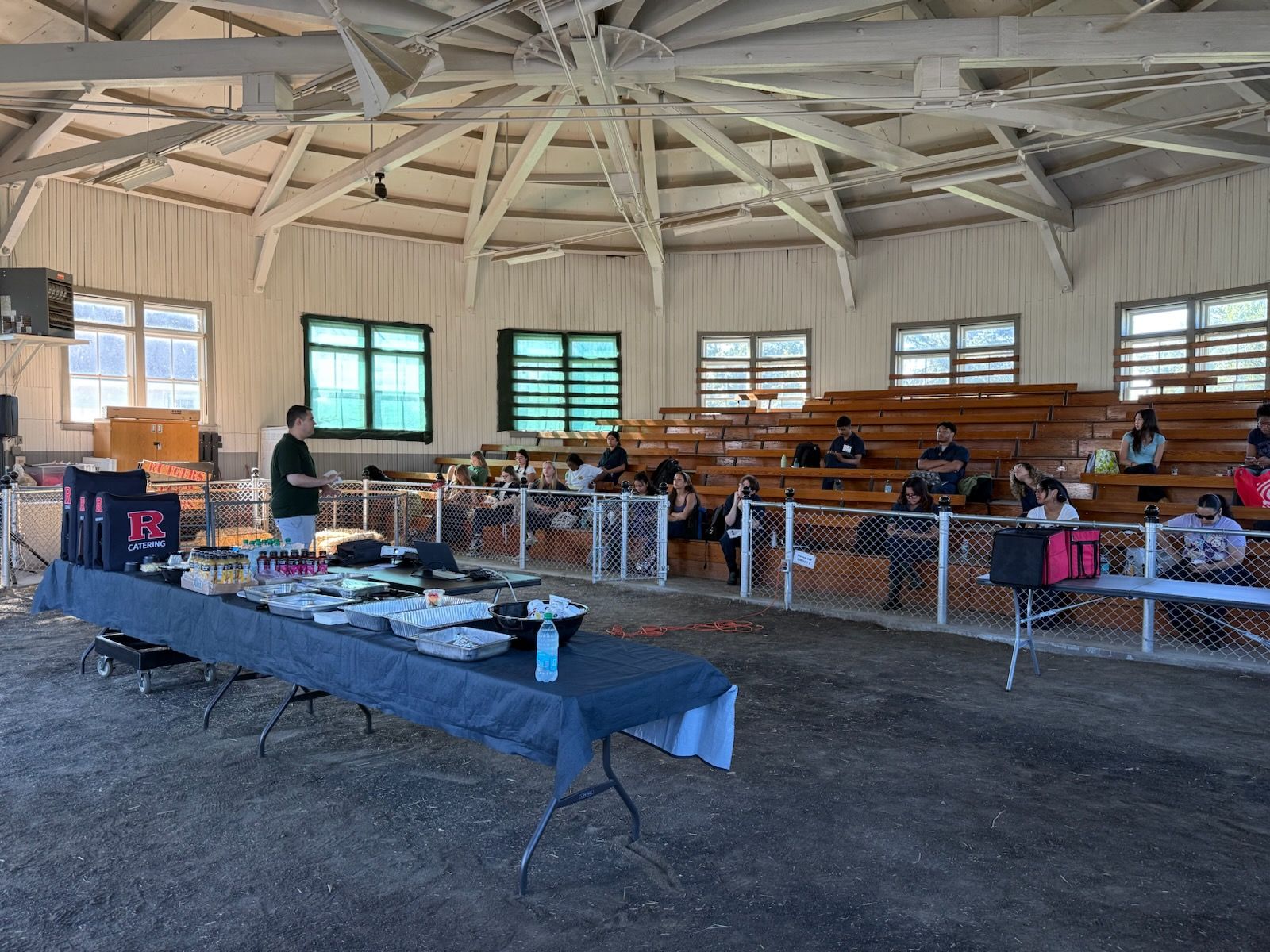
Two Animal Health Technicians (AHTs), Jennifer Niper and Kyle Cairns, participated in a USDA program held at Rutgers University New Brunswick Campus in July. The USDA National Institute of Food and Agriculture NextGen Animal Science Discovery Program included graduate and undergraduate students from Bergen County Community College, Texas State, University of Puerto Rico, and LaGuardia Community College. This is the third year of a five-year grant to support students earning an associate’s degree in environmental science with a focus in animal science. These students can then transfer and complete an undergraduate degree in animal science.
As Rutgers University alumni, the AHTs provided an overview of their roles within the New Jersey Department of Agriculture, outlined their current responsibilities, and described the professional experience that led to their positions within the Division of Animal Health. They also conducted demonstrations on proper sample collection techniques using the resident swine herd and poultry flock from the Animal Care Program within the School of Environmental and Biological Sciences. Participants were able to experience hands-on training with the animals.
CL-ELISA in Sheep and Goats:
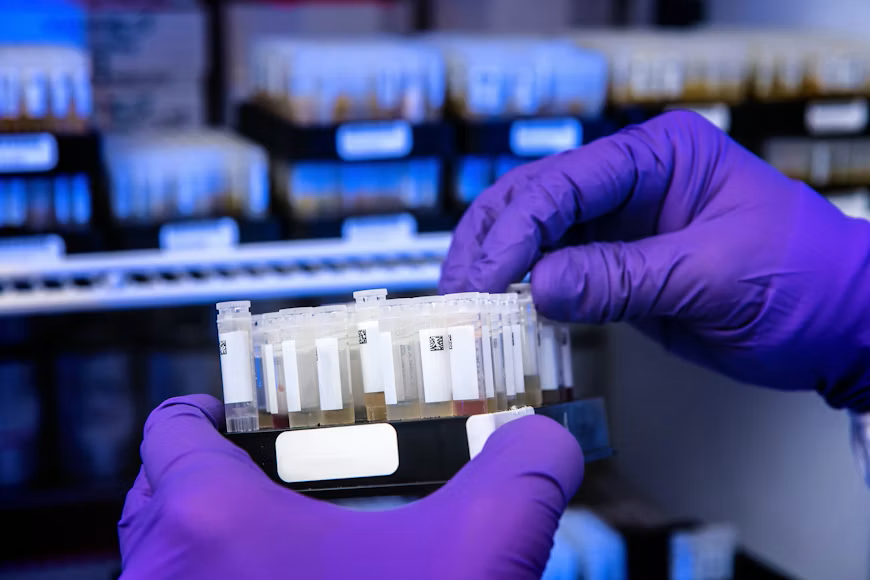
The NJDA Animal Health Diagnostic Laboratory (AHDL) now offers in-house Caseous Lymphadenitis ELISA (CL-ELISA) testing for sheep and goats. This new in-house testing service provides faster, cost-effective diagnostic support for veterinarians and livestock producers, facilitating timely disease detection, improved herd management, and enhanced biosecurity.
- Sample: Minimum 3 mL blood (Red top tube) or 1 mL serum
- Sample Collection: Samples must be shipped on ice pack
- Turnaround time: 1–2 business days
- Test Fee: $15.00
Note: Turnaround time for positive sample if titration by SHI is needed (Send out): 5-7 Days.
Test Fee: Referral fees
NJDA Animal Health Diagnostic Laboratory (AHDL) is pleased to announce the addition of Equine Respiratory PCR Panel to our testing services.
PCR Panel Includes
- Equine Herpesvirus 1 and 4 (EHV-1 & EHV-4)
- Influenza virus (IA)
- Equine Rhinitis virus A and B (ERAV & ERBV)
- Equine Arteritis virus (EAV)
- Streptococcus equi subsp. equi
Required Specimen:
1. Nasal or Nasopharyngeal Swab
2. Nasal, tracheal, or guttural pouch washes
3. Postmortem lung tissue
Sample Collection by using the swab:
- Cotton or Dacron swab in Viral Transport Medium or saline
- Calcium alginate swabs and wooden shafts are not recommended
- Do not retain the swab in the media
Turnaround Time: 1-2 business days
Test Fee: $125.00
Theileria orientalis Ikeda/Anaplasma marginale multiplex PCR
The NJDA – Animal Health Diagnostic Laboratory (AHDL) is also started offering diagnostic tests for T. orientalis Ikeda in suspected cattle cases. The test can detect and differentiate between T. orientalis Ikeda and Anaplasma marginale.
- Sample: 2-3 mL whole blood (Purple top tube)
- Turnaround time: 2 business days
- Test Fee: NO CHARGE
Emmalyn Tavani, 4th-Year Veterinary Student,
University of Pennsylvania, School of Veterinary Medicine
Shannon Swist, DVM, MS, Veterinary Pathologist
New Jersey Animal Health Diagnostic Laboratory
Signalment: A 1-year-old intact male Nubian goat was presented to the New Jersey Animal Health Diagnostic Laboratory for necropsy.
History:
- Goat found crying and recumbent in its pen and died shortly thereafter
- No other goats on property sick;
- Herd size: 3
- Unknown vaccination history
Clinical Signs:
- Elevated rectal temperature at 104.5F
- Ataxia of all four limbs
- Hindlimb weakness
- Inability to rise
- Vocalization
- Depression
- Stargazing
- Teeth grinding
- Resting horizontal and vertical nystagmus
- Pale mucous membranes
Main Necropsy Gross Findings:
- Good nutritional condition
- No definitive gross lesions to suggest a cause of death
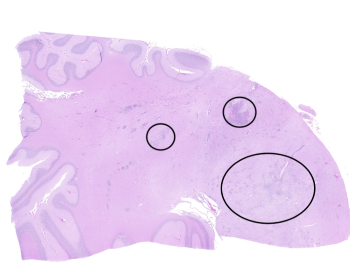
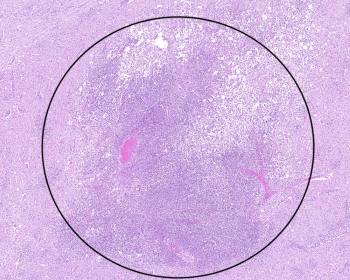
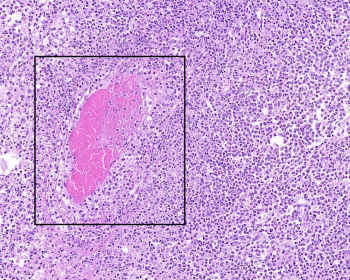
Histopathologic (Microscopic) Findings: Brainstem: marked, acute, multifocal to coalescing, necrotizing and suppurative meningoencephalitis with fibrinonecrotic vasculitis, microabscessation, and mononuclear perivascular cuffing.
Differential Diagnoses:
- Rabies
- Caprine Arthritis Encephalitis (CAE) Virus
- Polioencephalomalacia (PEM) or Thiamine Deficiency
- Lead toxicity
- Otitis Media or Interna (middle or inner ear infections)
- Parelaphostrongylus tenuis (meningeal worm) infection
Additional Diagnostics:
- Aerobic Culture, brainstem: Listeria monocytogenes identified
- Direct Fluorescent Antibody Testing, brainstem: Rabies virus not detected
- Fecal Flotation: moderate parasite burden of coccidia and Strongyle-type eggs
Case Comments:
Listeria monocytogenes is a gram-positive, non-spore forming, motile bacillus saprophyte bacteria ubiquitous within the environment. It causes sporadic neurologic and reproductive disease in a variety of animals, including cows, sheep, and goats. The encephalitic or neurologic form of Listeriosis, or infection with Listeria monocytogenes, is often associated with feeding of poorly preserved or moist silage to livestock. Bacterial invasion occurs through wounds in the oral mucosa of animals allowing the bacteria to travel along the cranial nerves (e.g., trigeminal) via axonal transport and reach the brain.
Listeria monocytogenes preferentially invades the midbrain and brainstem of animals causing necrosuppurative meningoencephalitis, microabscessation and vasculitis. This leads to overt neurologic clinical signs, such as depression, stargazing, vocalization, ataxia in all limbs, circling, unilateral facial nerve paralysis, nystagmus, and decreased ruminal motility. Because of the ubiquitous nature of Listeria sp. in the environment, listeriosis should be considered a top differential for any small ruminant displaying signs of central nervous system compromise. Some important differentials for similar neurologic clinical signs include rabies, caprine arthritis and encephalitis virus (CAE), polioencephalomalacia (PEM) or thiamine deficiency, lead toxicity, middle or inner ear infections, and P. tenuis (meningeal worm) infection.
Diagnosing listeriosis with one diagnostic modality alone may be challenging, as the bacteria may not culture readily in the laboratory and bacterial loads may be too low post-mortem to detect via PCR. Additionally, as histopathology only takes representative sections of brain tissue, the characteristic microscopic findings like microabscessation and mononuclear perivascular cuffing may be missed. As such, it is recommended to submit a triad of diagnostic modalities, including culture, PCR assay, and histopathology. This increases the specificity and sensitivity of your testing methods to definitively diagnose Listeria monocytogenes infection.
Kristofer C. Smith, VMD, MSc, DACAW
Signalment:
Two recently deceased, 5-month-old female laying hens were presented to the New Jersey Animal Health Diagnostic lab for necropsy
History:
- Flock of over 200 cage-free laying hens
- New birds added to the flock less than a week prior to observed clinical signs
- Approximately 8% of the flock showing severe signs of illness
- Low mortality
Clinical Signs:
- Facial swelling
- Coughing and Sneezing
- Lethargy
- Decreased egg production
Main Gross Findings:
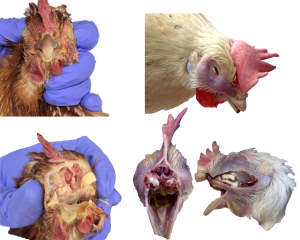
Moderate to severe swelling of the infraorbital sinuses with marked to severe sinusitis characterized by a large amount of caseous exudate;
Mild airsacculitis;
Gross Pictures:
Differential Diagnoses:
Mycoplasmosis, Avian Metapneumovirus, Pasteurellosis, Infectious Laryngotracheitis, Newcastle Disease, Infectious Bronchitis, and Avian Influenza
Additional Diagnostics:
Fecal Flotation
Feces - Heavy coccidia
Aerobic Culture
Sinus Swab - Few Avibacterium paragallinarum
PCR
Sinus Swab - Avibacterium paragallinarum - Positive
Oropharyngeal Swab - Influenza A Virus - Not Detected
Case Comments:
Avibacterium paragallinarum (the causative agent of Infectious Coryza) is a bacterium that can easily spread through a flock once an infected bird is introduced. Infectious Coryza is an acute respiratory disease of chickens. Mortality is often very low, but morbidity is high. Concurrent bacterial infections are likely to cause deaths in the flock. Coryza, and co-infections, can be treated with antimicrobials and supportive care, but the complete removal from a flock is extremely difficult. Chickens that have recovered from the disease become carriers and are able to spread it to naïve birds while not showing clinical signs.
Proper biosecurity protocols are the best option to prevent Coryza from entering a flock. It is recommended to quarantine any new additions for AT LEAST 4 weeks, while monitoring them for any clinical signs. Vaccines are commercially available, but are often not feasible for small, backyard flock owners.
The New Jersey Animal Health Diagnostic lab is always available for diagnostic necropsy and testing of all poultry species. If you suspect Infectious Coryza or any other disease in a flock, do not hesitate to visit our website or call for information on testing options and fees.
Website: www.jerseyvetlab.nj.gov
Phone: (609) 406-6999
On June 30, 2026, the New Jersey Department of Agriculture (NJDA), with consultation and agreement from the New Jersey Department of Health (NJDOH), has implemented specific requirements for animals being transported from a New World Screwworm-affected state into New Jersey. This Quarantine Order has been implemented to safeguard New Jersey’s domestic animals and protect public health. This order was announced in response to the United States Department of Agriculture’s (USDA) confirmed identification of New World Screwworm (NWS) in the country. Since June 03, 2026, there have been numerous confirmed cases of NWS infestation in domestic animals Texas and New Mexico, including livestock and canine species.
Under the implemented requirements, any domestic animal infested with or suspected to be infested with NWS or originating from a quarantined premises will be prohibited from entering New Jersey. Animals originating from elsewhere in an NWS-affected state must undergo a thorough veterinary examination within five days before transportation into New Jersey. The examination is required and must be verified in a Certificate of Veterinary Inspection. Dogs, cats, exotic pets, and rabbits originating from any place in a US state that contains an infested zone or adjacent surveillance zone must be treated by an accredited veterinarian with a systemic product effective against NWS. All livestock animals originating in or transiting through a US state that contains an infested zone or adjacent surveillance zone must obtain permitted approval from NJDA prior to movement into New Jersey.
Please review the NWS New Jersey Entry Quick Reference Guide to learn more about the Quarantine Order.
- The quick reference guide and more NWS-specific information are available at:
https://nj.gov/agriculture/NWS
- The NJDA press release announcing the Quarantine Order is available at: https://www.nj.gov/agriculture/news/press/2026/approved/press260630.shtml
- All livestock-specific regulations can be found on the DAH website: https://www.nj.gov/agriculture/divisions/ah/forms-regulations/index.shtm
What to look for in animals that may be an indication of NWS infestation
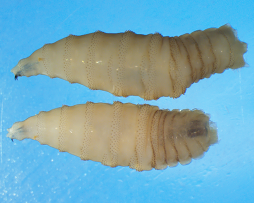
- Maggots in wounds or other body openings, such as the nose, ears, genitalia, or navel (in newborn animals).
- Wounds that have a bloody discharge or foul odor.
- Wounds that become deeper and larger as the maggots grow and feed on living tissue.
- Animals that have recently given birth, suffered an injury, or undergone a surgical procedure (such as dehorning or branding) are most vulnerable to attracting NWS.
- An animal had a recent travel history or was rescued from an NWS-affected state, Central American countries, or Mexico and has any of the above signs.
New Jersey’s veterinarians can help NJDA and NJDOH maintain the overall health of animals and prevent the spread of foreign diseases, such as NWS, in the state by reminding clients to follow state and federal importation requirements when travelling with their animals. It is important to note that federal and state regulations in the United States do not allow rescuing animals from slaughter channels (processing plants, auctions, etc.) because their disease status is unknown, and they are not subject to the same testing that animals moving to New Jersey for residential purposes undergo.
We appreciate your assistance in keeping livestock and pets in our state healthy.
NJDA is asking veterinarians and animal owners to remain vigilant for this pest. If you suspect NWS in your animal, please alert the New Jersey Department of Agriculture, Division of Animal Health at 609-671-6400.
Other helpful links:
Confirmed Detections of New World Screwworm | APHIS
New World screwworm (NWS) wildlife page