Official Site of The State of New Jersey
Cannabis and PTSD: What you should know and things to consider
What Is PTSD?
Post-traumatic stress disorder (PTSD) is a mental health condition that can happen after someone has lived through distressing or life-threatening events. People with PTSD may have disturbing flashbacks, nightmares, or be overly guarded. It can cause trouble sleeping, mood swings, or disruptions to daily life.
This mental health condition is the third most common condition participants in New Jersey’s Medicinal Cannabis Program are treating with cannabis Many patients, including veterans, turn to cannabis when other treatments are not enough or don't work.
How cannabis may help with PTSD
Cannabis works with the body’s endocannabinoid system. This system helps manage mood, memory, sleep, and stress. For people with PTSD, cannabis may:
- Help to reduce anxiety and fear. Some users report feeling calmer and less on edge.
- Improve sleep by helping people fall asleep more quickly, stay asleep longer, and have fewer nightmares.
- Help to quiet upsetting memories or racing thoughts, and ease flashbacks and troubling thoughts.
Veterans and PTSD
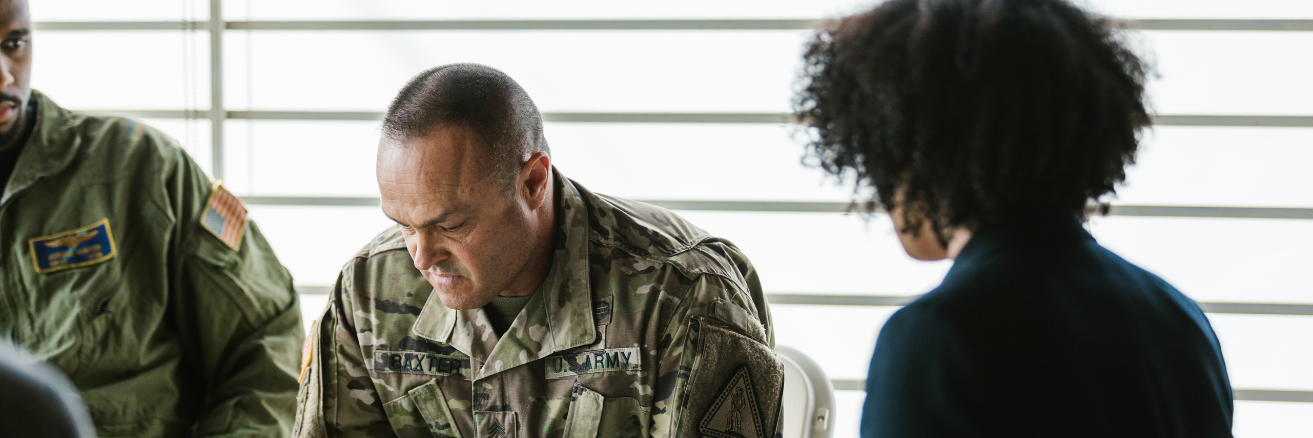
Veterans experience PTSD at higher rates than the general population.
- About seven (7) in 100 U.S. veterans will have PTSD at some point in their lives.
- In a large Veterans Affairs study of U.S. veterans, approximately 15% of those who served in Iraq and Afghanistan (OIF/OEF) reported experiencing PTSD in the past year, compared to 5% of Vietnam War veterans and 2% of World War II and Korean War veterans.
- In New Jersey, about 4.4% of veterans live with PTSD, which is slightly lower than the national average.
Some veterans with PTSD say cannabis helps improve their quality of life. Research shows:
- Ninety-one percent of veterans with PTSD who use cannabis say it helps their overall life satisfaction.
- About 21% use fewer opioids when using cannabis.
At the same time, studies show veterans with PTSD may be more likely to develop cannabis use disorder, which means having trouble cutting back or using too much. (Source: Cannabis Use Characteristics and PTSD-Related Outcomes Among Canadian Veterans With Chronic Pain | Journal of Veterans Studies)

What research says about cannabis and PTSD
Research is still developing, but there are important findings:
- Cannabis may improve sleep and reduce nightmares in some patients.
- Cannabis use does not always get in the way of PTSD therapy. A Rutgers University study found cannabis does not stop patients from benefiting from therapy.
Things to consider
Cannabis is not a cure for PTSD. It may help some people but not others. Here are some important things to keep in mind:
- Talk to a healthcare provider: Cannabis can interact with other medicines.
- Start low and go slow: Different strains and doses have different effects.
- Use as part of care: Many patients use cannabis along with therapy or other treatments, not instead of them.
Looking ahead
PTSD can be difficult to live with, especially for veterans who have experienced combat or trauma. For some, cannabis offers an extra tool for relief. Research in New Jersey and across the country is ongoing and soon we will help have a broader understanding of how cannabis fits into treatment for PTSD.
If you or someone you know is struggling with PTSD, help is available at the National Center for PTSD. Learn more about the Medicinal Cannabis Program.
DISCLAIMER
The information presented in this blog post is for informational purposes only and should not be used as a substitute for professional medical advice, diagnosis, or treatment. Seek advice from your physician or other qualified healthcare provider if you have any questions about a medical condition or incorporating cannabis into your treatment. Do not ignore professional medical advice or delay seeking it due to anything you may have read on this website.
Previous Blog Posts
Legit vs. Shady: How to spot a legal cannabis dispensary in New Jersey
04/27/2026
New Jersey has a regulated cannabis market with more than 300 licensed dispensaries across the state. In 2025, the NJ cannabis industry generated more than $1.16 billion in sales and $67.5 million in sales tax. With any new and lucrative industry, unlicensed operators try to cash in. Illegal marijuana isn’t just a legal risk for the business operators; it can also be dangerous for consumers. Unregulated products skip the safety testing, labeling requirements, and warnings that New Jersey law requires, and the shops don't have the guardrails in place to protect vulnerable populations like kids, teens, and young adults from gaining access to these products. Is legal cannabis on your shopping list? Here's how to spot a state-licensed cannabis dispensary:
Five years of regulation, responsibility, and growth
04/2/2026
As we approach the New Jersey Cannabis Regulatory Commission’s fifth anniversary, I’ve been reflecting on what it means to build two things at once: a new government agency and a new regulated industry. Neither comes with a roadmap. Both require patience, clarity of purpose, and the willingness to make difficult decisions in real time. In five short years, the Commission has significantly expanded access to medicinal cannabis and launched the adult-use market, which to date has generated approximately $4 billion in sales. But our success cannot be measured solely by speed; it must be measured by whether we built an industry grounded in equity, accountability, and meaningful opportunity. From the beginning, our work has been guided by a set of core principles that continue to shape every decision we make.
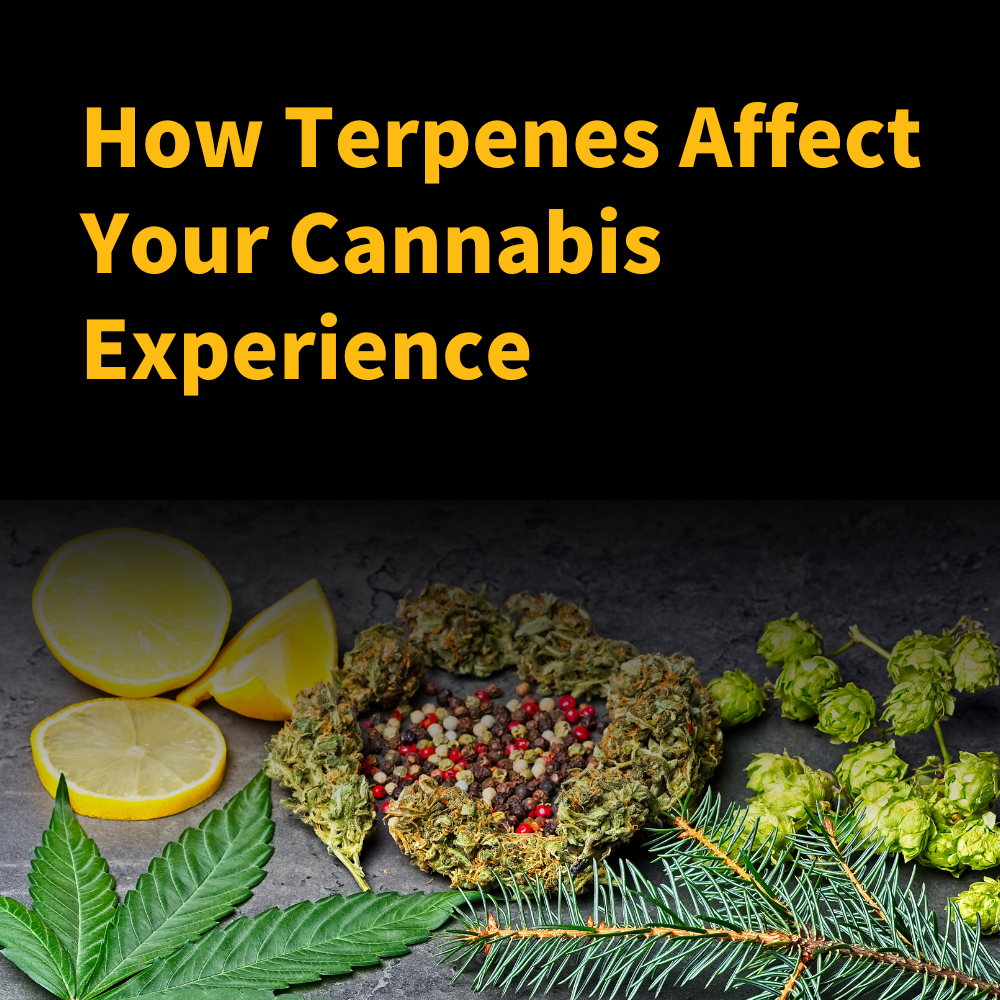
How Terpenes Affect Your Cannabis Experience
03/24/2026
Terpenes are aromatic compounds found in plants, including cannabis. They give plants their characteristic scents, help protect them from mold, fungus and other pathogens, and play a crucial role in modulating cannabis' psychoactive effects. For example, two strains with identical THC percentages can feel completely different, one may leave you sedated and the other may leave you energized. More than a hundred terpenes exist in cannabis, each with its unique aroma and potential therapeutic benefits. Terpenes are essential for shaping the plant’s impact on the human body and mind.