 Official Site of The State of New Jersey
Healthy New Jersey
Legionnaires' Disease
Legionnaires' Disease
Legionnaires' disease is a serious type of pneumonia caused by Legionella bacteria that can spread through water in showers, hot tubs, and cooling systems. Learn the risks and how to protect your home's water.

This information is for educational purposes only and is not a substitute for advice from a healthcare professional.
What is Legionnaires' disease?
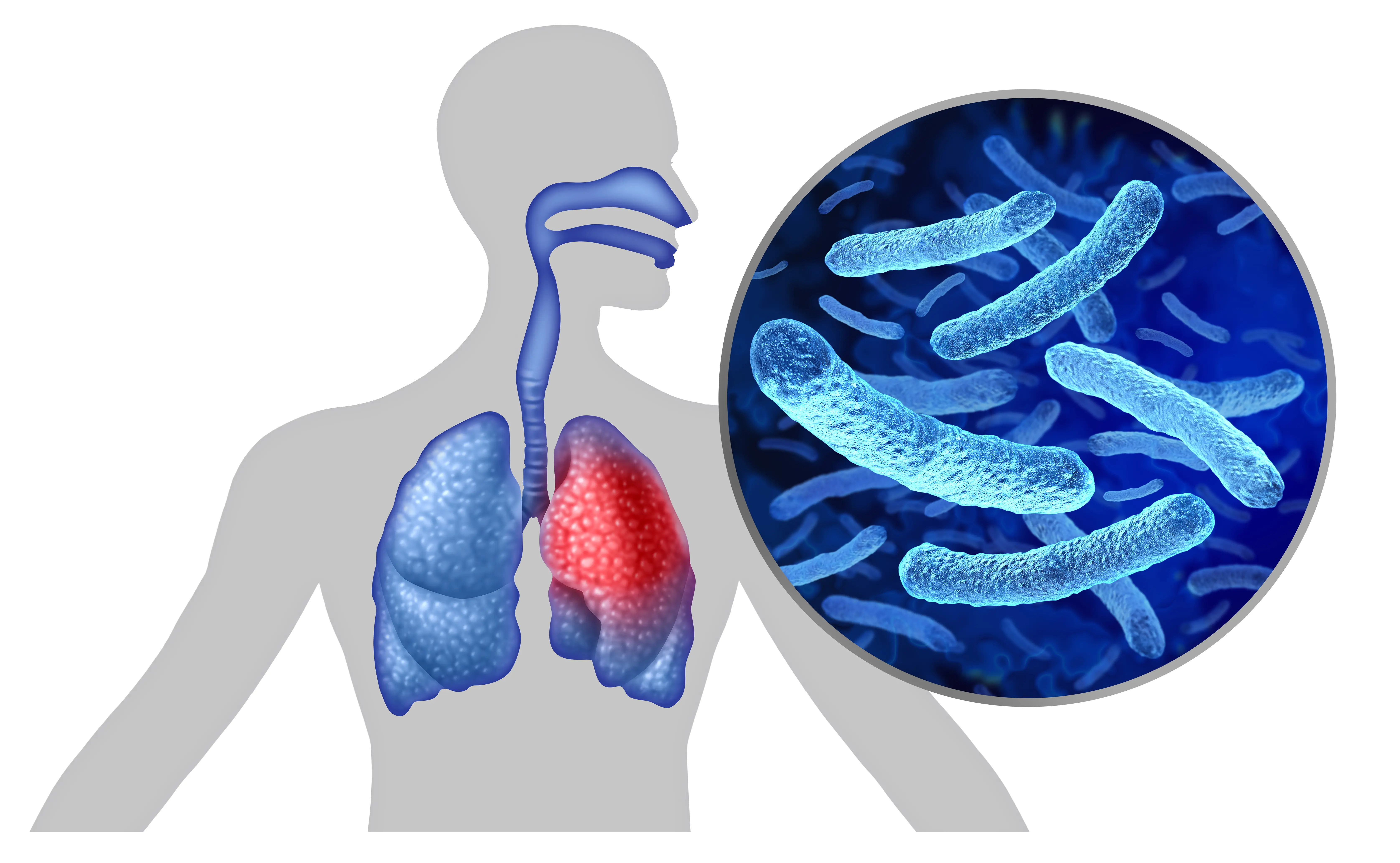
Legionnaires' disease is the more serious of two illnesses caused by Legionella bacteria. The other illness is called Pontiac fever. It is much milder than Legionnaires' disease and feels like the flu. Both illnesses are known together as legionellosis.
You get sick by breathing in tiny water droplets that contain the bacteria. These droplets can come from a shower, hot tub, sink, decorative fountain, or cooling tower (part of some large air-conditioning systems). Legionella is found naturally in lakes and streams, where it is usually harmless. It becomes a health risk when it grows in human-made water systems like building plumbing and hot tubs, that are not properly maintained.
Less often, people get sick when water with the bacteria goes down the wrong way into the lungs while drinking. This is more likely for people who have trouble swallowing. Home and car air conditioners do not use water to cool the air, so they are not a source of Legionella.
Important: Legionnaires' disease does not spread from person to person.
How Legionella grows and spreads
Starts in nature
Legionella is found naturally in water and soil, usually in amounts too small to make people sick.

Grows in water systems
Inside plumbing and other water systems, warm temperatures and stagnant water let the bacteria multiply to higher, riskier levels.
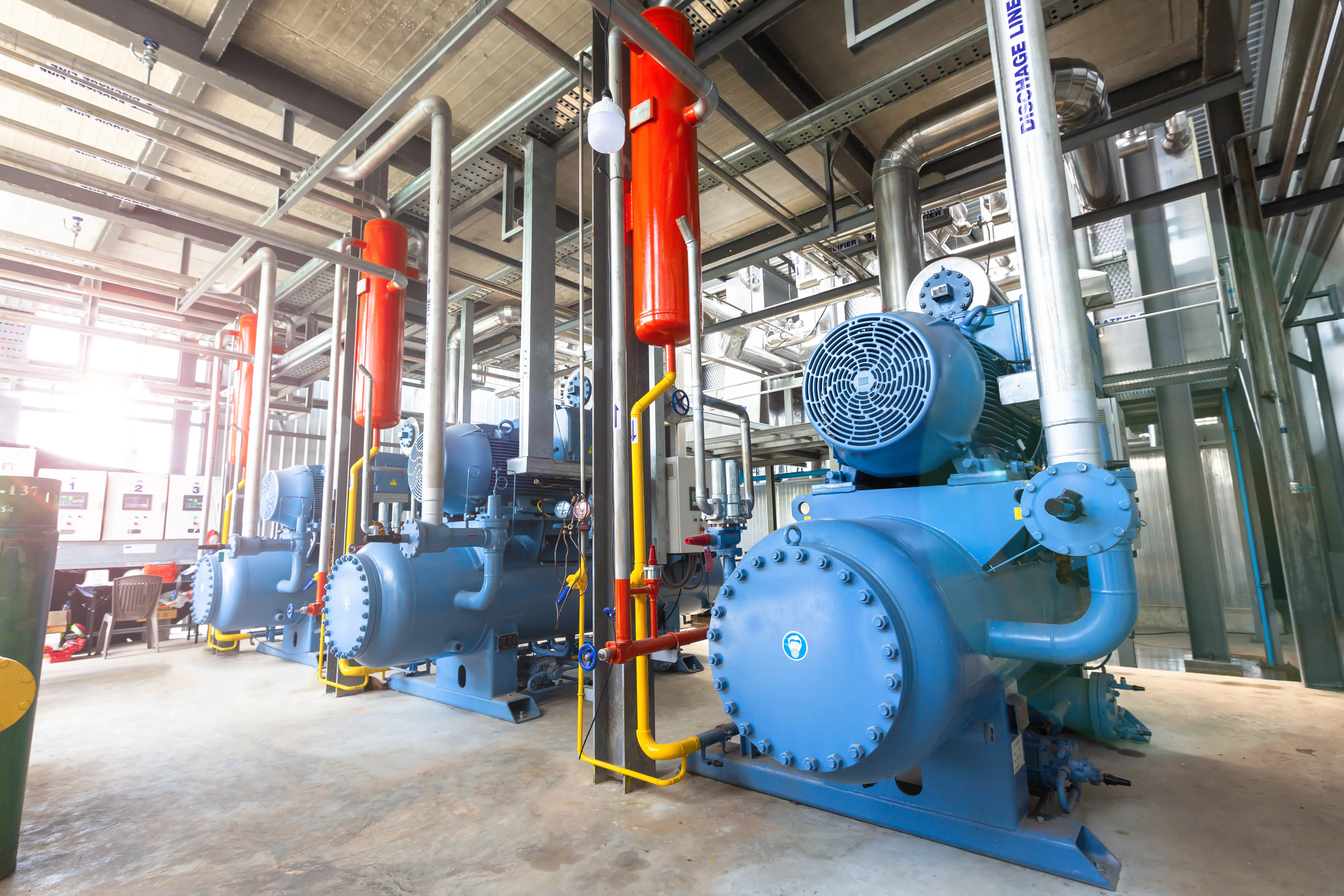
Spreads through mist
When that water is sprayed or misted, from a shower, hot tub, fountain, or cooling tower, tiny droplets can carry the bacteria into your lungs.
Signs and symptoms
The two illnesses caused by Legionella differ in how serious they are and how quickly symptoms appear.
Legionnaires' disease
- Cough
- Shortness of breath
- Fever
- Muscle aches
- Headaches
- Sometimes diarrhea, nausea, or confusion
A serious lung infection
Symptoms usually start 2 to 14 days after exposure, most often around 5 to 6 days.
Pontiac fever
- Fever
- Muscle aches
- Headaches
A milder illness
Symptoms start 24 to 72 hours after exposure and usually clear up within a week on their own.

When to see a healthcare provider
If you have a high fever, a bad cough, or trouble breathing, see a healthcare provider right away, especially if you may have been exposed to Legionella. Legionnaires' disease is easier to treat when it is caught early.
Who is at risk
Most healthy people exposed to Legionella do not get sick. You are more likely to develop Legionnaires' disease if you are:
- 50 years or older
- A current or former smoker
- Living with a chronic lung disease, such as COPD or emphysema
- Living with a weakened immune system, or taking medicines that weaken it, such as after a transplant or chemotherapy
- Living with cancer
- Living with another serious illness, such as diabetes, kidney failure, or liver failure
Protect your home's water
These simple steps help keep the water in your home safe. Some may not apply if you live in an apartment or shared housing, where building water systems are usually maintained by property management.
Run the water
After the water has not been used for a while, such as returning from a week away, run it for several minutes.
Maintain your water heater
Follow the manufacturer's instructions to flush and clean it. See our guidance for draining and flushing your water heater.
Use safe water in devices
Use distilled or sterile water in CPAP machines and humidifiers, and clean them as the manufacturer directs.
Clean your shower
Scrub shower heads and faucet tips to remove slime and dirt. See our guidance for cleaning a shower head and cleaning faucet aerators.
Maintain your hot tub
Keep the chemicals at the right levels. At a vacation rental, ask when the tub was last cleaned.
For more, read Legionnaires' Disease and Your Household Water.
For building owners and managers
Building owners and managers play a key role in preventing Legionnaires' disease. Four key water systems need your attention:
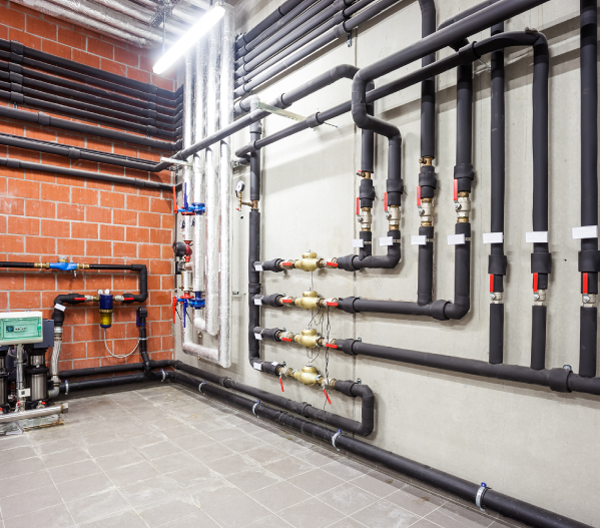
Potable water systems
- Keep water systems clean
- Maintain proper water temperatures
- Reduce water stagnation
- Maintain disinfectant levels
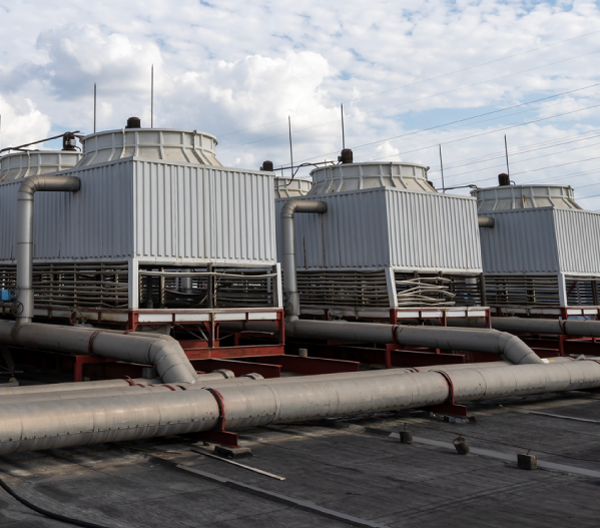
Cooling towers
- Maintain biocide and chemical levels
- Replenish with fresh water regularly
- Circulate water regularly
- Inspect and test regularly
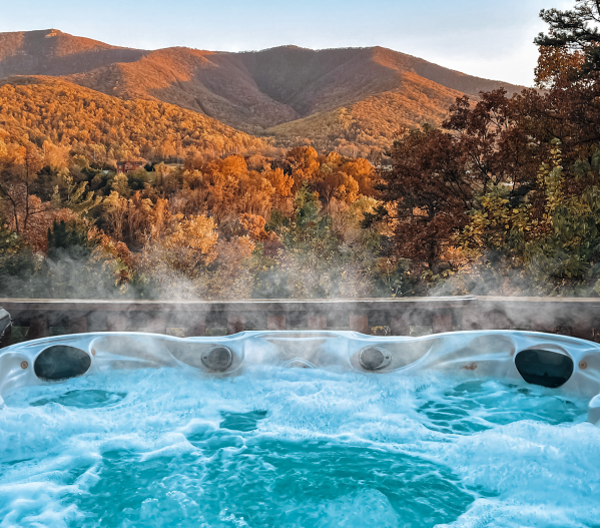
Hot tubs
- Maintain disinfectant levels
- Clean and replace filters
- Clean and scrub surfaces
- Drain and refill regularly

Decorative fountains
- Run daily to prevent stagnation
- Maintain pumps and filters
- Maintain biocide levels
- Keep free of algae and sediment
Building owner resources
- Water Management Program Template [Word] [PDF]
- Legionella and Supplemental Disinfection Systems
- Maintaining and Reopening Building Water Systems Impacted by Prolonged Shutdown or Reduced Operation
- CDC Infographic: How Legionella affects building water systems and people
- CDC Toolkit: Developing a Water Management Program to Reduce Legionella Growth and Spread in Buildings
- CDC Toolkit: Toolkit for Controlling Legionella in Common Sources of Exposure
Diagnosis and treatment
Diagnosis
A healthcare provider checks for pneumonia with a chest x-ray or physical exam. A urine or phlegm (sputum) test can confirm whether Legionella is the cause.
Treatment
Legionnaires' disease is treated with antibiotics, and most people recover fully. Finish all of your antibiotics, even if you start to feel better, unless your provider tells you otherwise. Pontiac fever is mild and usually clears up on its own without treatment.
How common is it?
Legionnaires' disease can occur any time of year, though more cases are reported in summer and early fall. Across the United States, reported cases have risen substantially since the early 2000s.
According to NJSHAD, in New Jersey, about 3.3 cases per 100,000 residents (309 cases) were reported in 2025. Because the illness is often underdiagnosed, the true number is likely higher.
For national Legionnaires' disease data visit CDC Legionellosis Surveillance.
Education materials
General public
- CDC Fact Sheet [English] [Spanish]
- Legionnaires' Disease and Your Household Water
Step-by-step home guidance is in Protect your home's water. Building resources are in For building owners and managers.
Where can I find more information?
- CDC Legionella website
- Your healthcare provider
- Your local health department
For professionals
- Quick Tips for Successful Case Investigations
- Standard Operating Procedure: Legionnaires' Disease Outbreak Investigations
- Guidance for Selecting Environmental Consultants
- Guidance for Environmental Legionella Sampling and Testing
- Legionella Environmental Assessment Form (LEAF)
- Legionella Environmental Data Collection Sheet (Excel document)
- Guidance for Responding to Post-Remediation Environmental Legionella Detections
- Notification to a Healthcare Facility Associated with a Presumptive Healthcare-Associated Case (template letter)
- Notification to a Healthcare Facility Associated with Two or More Possible Healthcare-Associated Cases (template letter)
- Notification to a Facility (non-Healthcare) Associated with Two or More Cases within 12 Months
- Dear Cooling Tower Operator Letter
- Guidance for Submitting Clinical Specimens for Legionella Testing
- CDC Fact Sheet: What Clinicians Need to Know about Legionnaires' Disease
- CDC Vital Signs (2016): Legionnaires' Disease Outbreaks [English] [Spanish]
- CDC Checklist: Healthcare Facility Water Management Program
- CDC Vital Signs (June 2017): Legionnaires' Disease
- CDC Reduce Risk from Water
- CMS Memo (June 2017): Requirement to Reduce Legionella Risk in Healthcare Facility Water Systems
- Legionellosis Outbreak Investigations: A Training for Local Health Departments: webinar slides (7/10/2025)
- Legionellosis Case Investigations: A Training for Local Health Departments: webinar slides (6/3/2025)
- Preventing Legionnaires' Disease: A Training on Legionella Water Management Programs (PreventLD Training)
- Legionellosis Communicable Disease Manual Chapter
- Reporting Requirements and Timeframes
- Case Definitions
- Legionellosis Case Report Form
- Legionnaires' Disease Cluster Hypothesis-generating Questionnaire Template [Word] [PDF]
- Legionnaires' Disease Cruise Ship Questionnaire Template [Word] [PDF]
Standard
Guidelines
- Guideline 12: Minimizing the Risk of Legionellosis Associated with Building Water Systems
- Model Aquatic Health Code Guidance
Laboratory resources
Healthcare resources
- Guidelines for Environmental Infection Control in Health-care Facilities (CDC and HICPAC)
- Guidelines for Infection Control in Dental Health-Care Settings, 2003
- Guidelines for Preventing Healthcare-associated Pneumonia, 2003
- Prevention of Health Care-Associated Legionella Disease and Scald Injury from Water Systems
Legionnaires' disease information
Learn more about Legionnaires' disease
Visit the CDC for the latest guidance on Legionella, or contact your local health department with questions about water safety.
Visit CDC Legionella