Delaware • New Jersey • Pennsylvania
New York • United States of America

- Why We Monitor
- Special Protection Waters
- Cyanotoxin Study
- Delaware Estuary Water Quality Monitoring Program
- Bacteria Monitoring with PADEP
- Nutrient Monitoring with NJDEP
- Biomonitoring
- Chlorides Monitoring in Special Protection Waters
The DRBC knows that you can't manage what you don't measure and employs a robust water quality monitoring program to ensure criteria are being met.
Right now, staff is in the middle of a busy monitoring season. From protecting the existing high water quality of the non-tidal Delaware River to monitoring bacteria in the Delaware Estuary, read more below about the programs we are collecting data for this season.
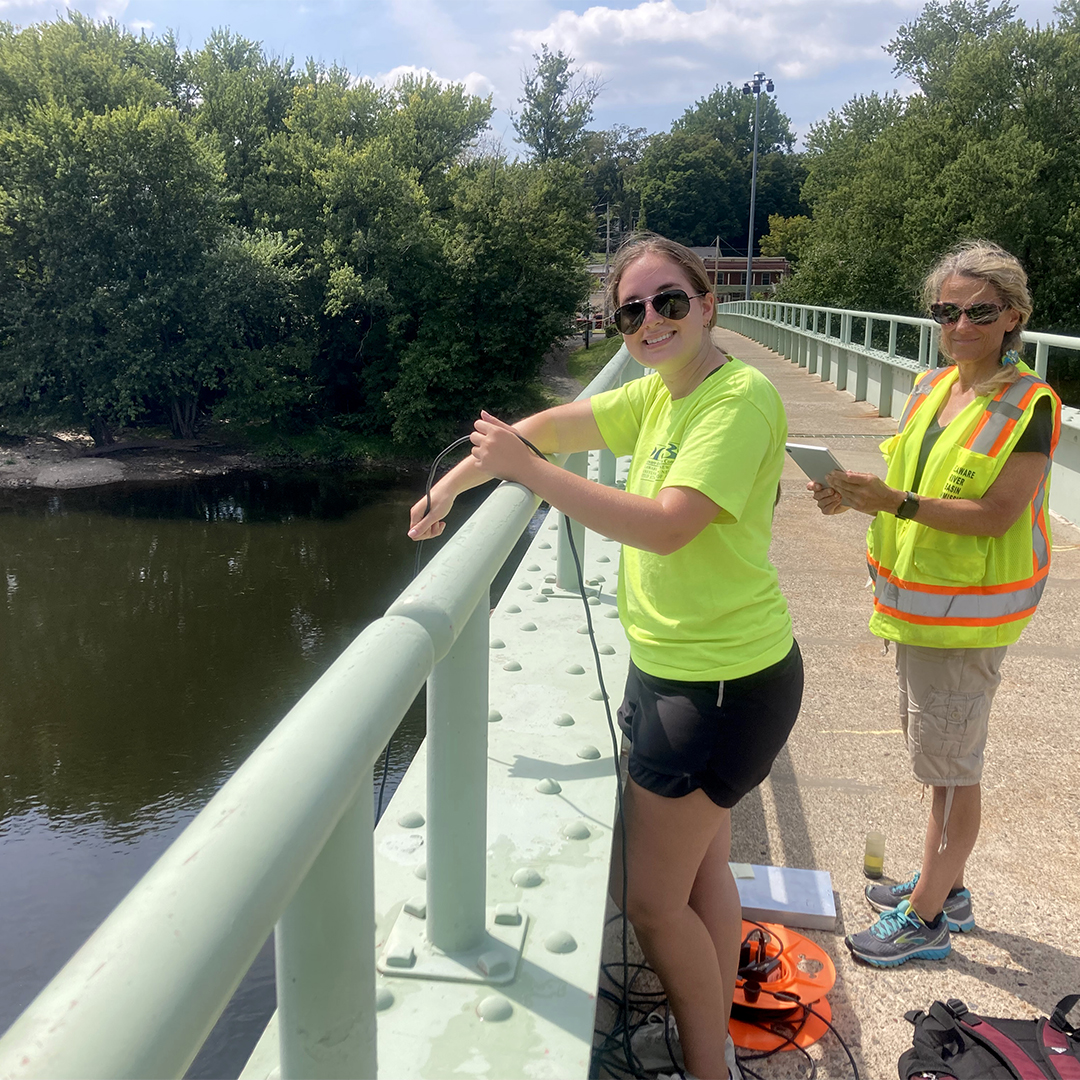 |
| DRBC staff collects a water sample from a bridge. Photo by the DRBC. |
Staff is undertaking a No Measurable Change Assessment for its Special Protection Waters (SPW) Monitoring Program, which protects the existing high water quality in the non-tidal Delaware River.
In 2026, the assessment continues, focusing on a new suite of 16 sites and expected to conclude in 2028.
• Samples will be collected May - September, twice a month.
• Samples will be collected from 16 sites.
• National Park Service staff will monitor the upper & middle Delaware.
• DRBC staff will monitor the lower Delaware.
• Parameters include Alkalinity, Chloride, Hardness, Sulfate, TSS, TDS, Nirtate+Nitrite, Total Nitrogen, Ammonia, TKN, TP, Silica, Ca, Mg, Na, K, DO, turbidity, pH and water temperature.
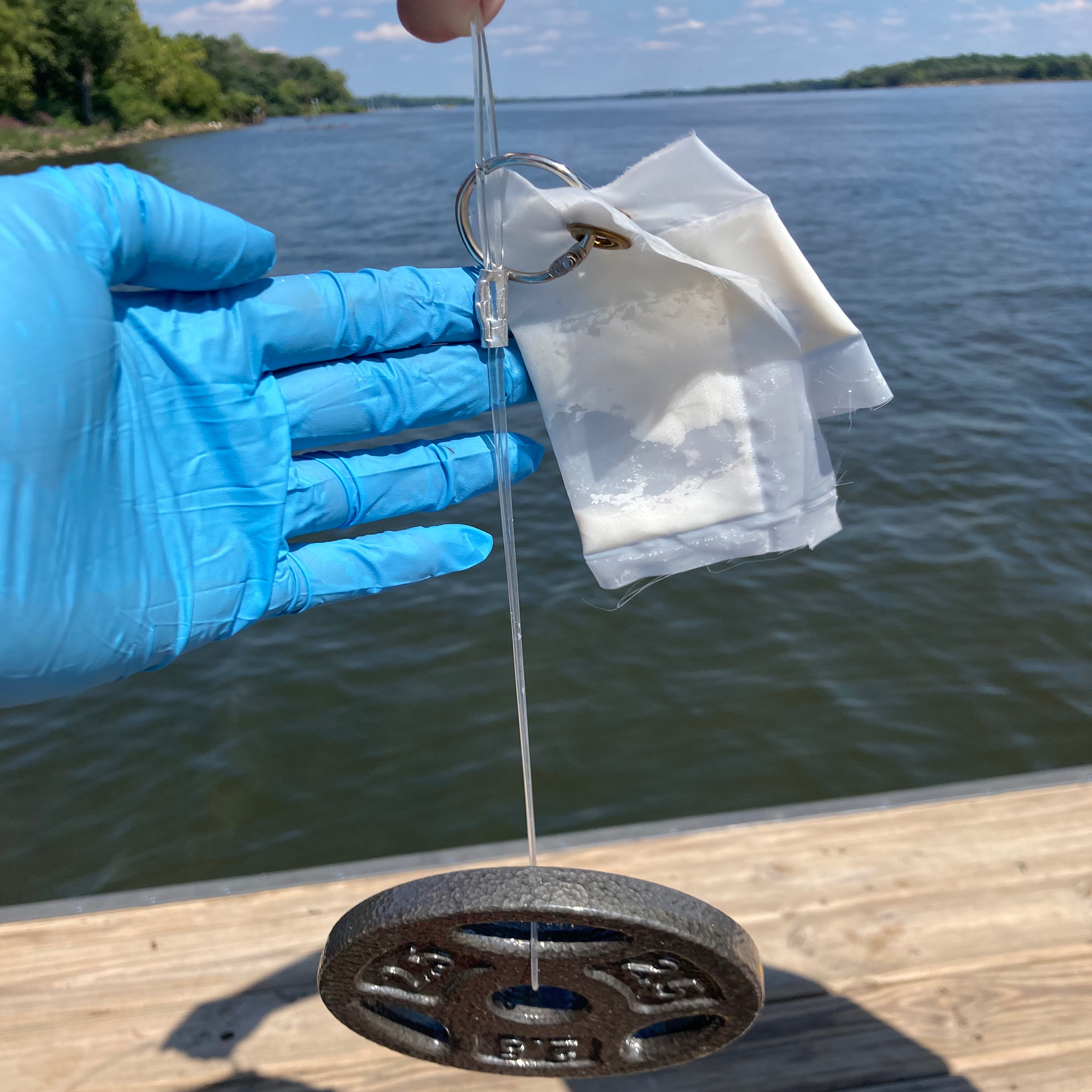 |
| SPATT bags about to be deployed in the Delaware River. Photo by the DRBC. |
The DRBC is using SPATT (Solid Phase Adsorption Toxins Tracking) methodology to track the presence or absence of cyanotoxins in the Delaware River, which is important to protect drinking water. This methodology was also used in monitoring efforts in 2022 - 2025.
• In addition to SPATT bags and grab samples, this year, DRBC's analysis will include quantitative polymerase chain reaction (qPCR), a molecular technique that amplifies and quantifies targeted genes, to identify and quantify cyanotoxin-producing genes (e.g., mcyE, cyrA, sxtA) in water samples at each site.
• The addition of qPCR will provide a more robust screening framework, differentiating between toxins passing through the system (via SPATT) and those with localized production potential (via qPCR).
• The environmental lab at DNREC will perform the analysis.
• Learn more about the DRBC's Cyanotoxins Study
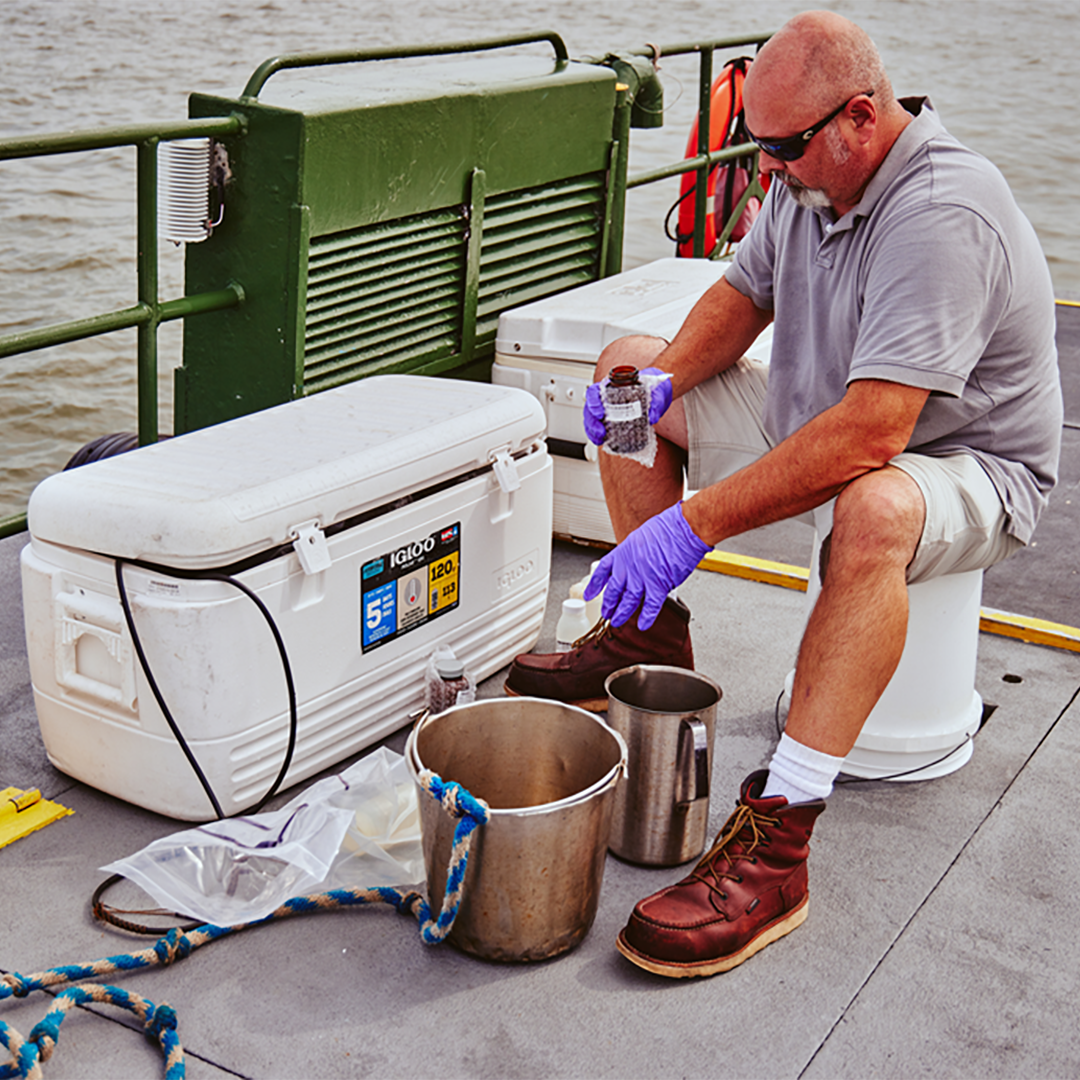 |
| A DNREC staffer collects a sample for the DRBC's Delaware Estuary Water Quality Monitoring Program. Photo courtesy of Errol Ebanks, DNREC. |
Initiated in 1967, DRBC's Delaware Estuary Water Quality Monitoring Program (aka the Boat Run) is one of the longest running monitoring programs in the world.
• The DRBC contracts the Delaware Department of Natural Resources and Environmental Control (DNREC) to perform the monitoring work; DRBC staff assesses the data.
• 22 sites are monitored once monthly, from March through October, in the Delaware River Estuary.
• Parameters monitored include bacteria, dissolved oxygen, pH, temperature, specific conductance, turbidity, nutrients (ammonia, nitrate + nitrite, phosphorus), chlorides, bromides and metals.
• Learn more about this monitoring program.
• The bacteria data are posted on the DRBC website (see above link); all other data are available via the U.S. EPA's Water Quality Portal.
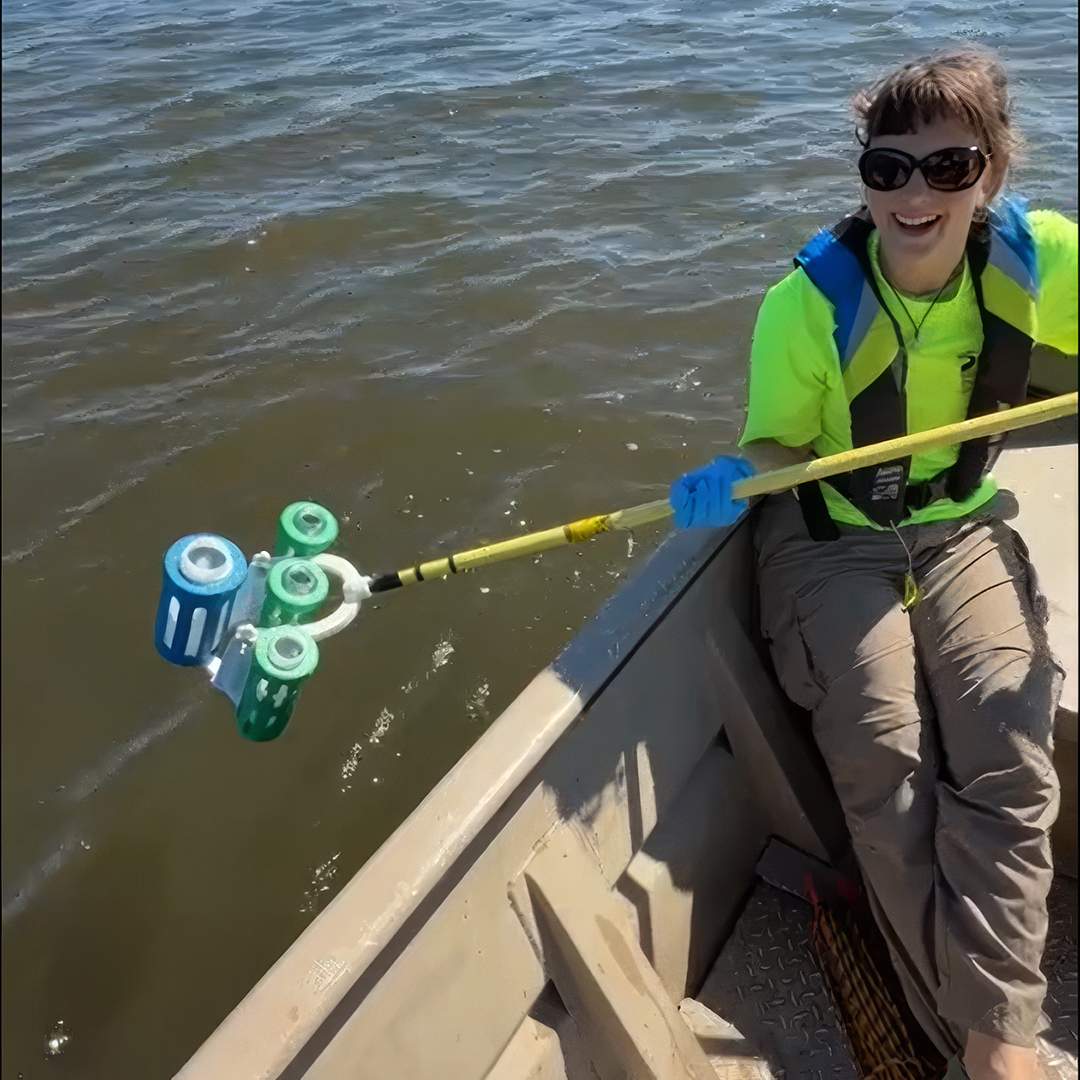 |
| DRBC staff collects a water sample to monitor for bacteria. Photo by the DRBC. |
Too much bacteria in the water can make humans sick if they come into contact with it, impacting recreational access. The entire Delaware River is deemed suitable for swimming, except for a portion of the river's urban waters around Philadelphia and Camden, mainly due to stormwater runoff and sewer overflows. There is an ongoing effort by the DRBC and its co-regulators to develop near- and long-term strategies for improving bacteria levels in the urban river corridor.
The DRBC's Delaware Estuary Water Quality Monitoring Program (see above) samples for bacteria in the center channel. DRBC is continuing its work with PADEP in 2026 to monitor bacteria levels in the Delaware River Estuary and non-tidal Delaware River, focusing on the Zone 2/Zone 3 transition area in the estuary and the non-tidal river from Trenton north to above the Lehigh River confluence.
• In 2026, over 65 sites will be sampled in six events over a course of 30 days. Samples will be monitored for E. Coli, fecal coliform and Enterococci, and will undergo qPCR analysis.
• Also in 2026, DRBC is initiating its Antimicrobial Resistance (AMR) Pilot Study. This is when bacteria become resistant to drugs such as antibiotics, making infections harder to treat. Aquatic environments can spread these drug-resistant pathogens. DRBC staff will conduct targeted monitoring in the urban corridor and will collaborate with Rutgers University to screen for key antibiotic resistance genes.
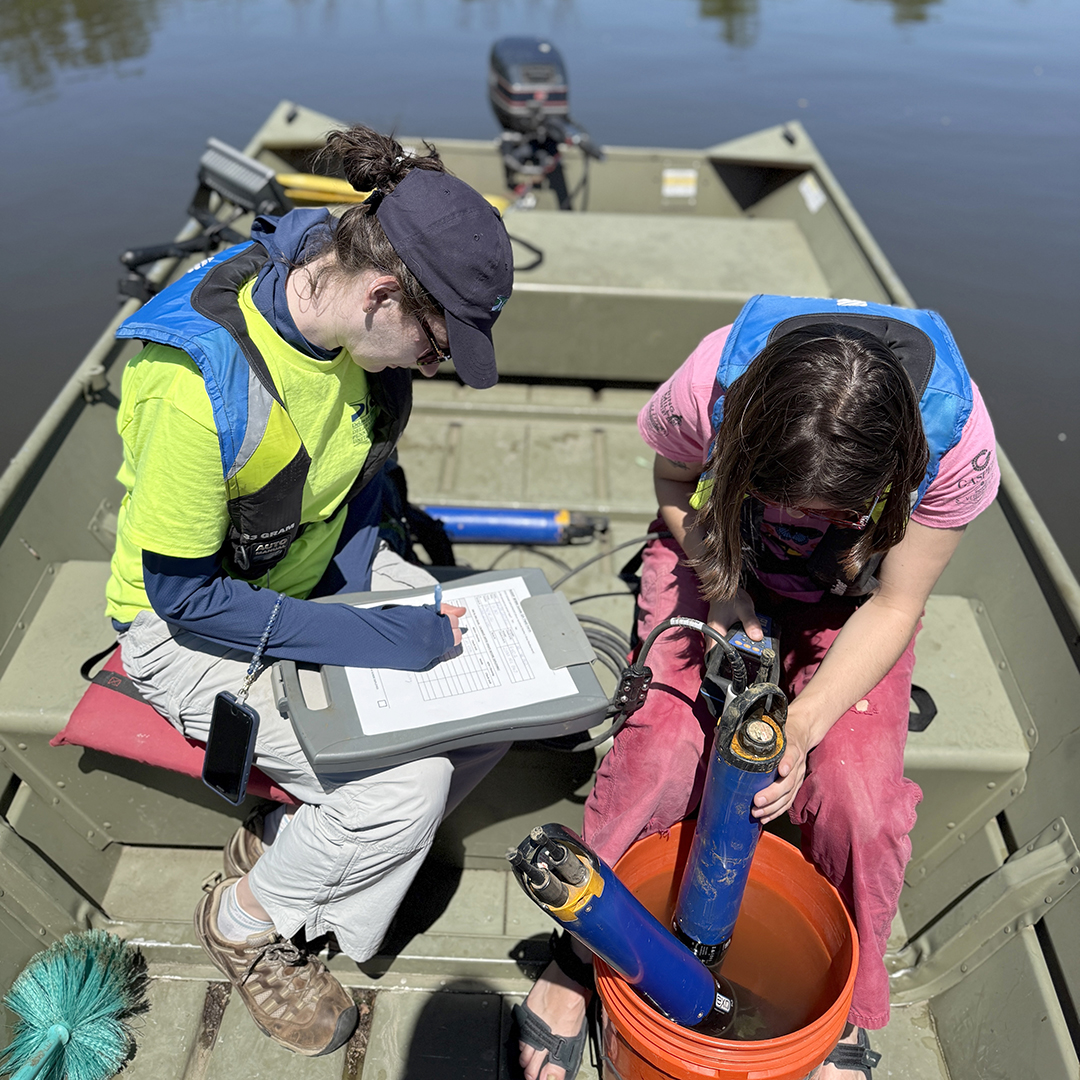 |
| Staff out monitoring for nutrients on a tidal N.J. tributary. Photo by the DRBC. |
Collecting information about nutrient concentrations in the Delaware River and its tributaries is important to protect water quality.
• In 2026, the DRBC is continuing its partnership with the N.J. Department of Environmental Protection (NJDEP) to collect nutrient samples from 2 N.J. tidal tributaries: Blacks and Crosswicks creeks (sampled as one system) and the Pennsauken Creek.
• Data sondes will measure temperature, specific conductance, dissolved oxygen, pH and turbidity. Grab samples will also be collected to monitor nutrient levels.
• This collaborative effort is targeting tributaries with point-source discharges (NPDES permit holders) and known water quality impairment to get a better understanding of numerical nutrient concentrations in these waterways.
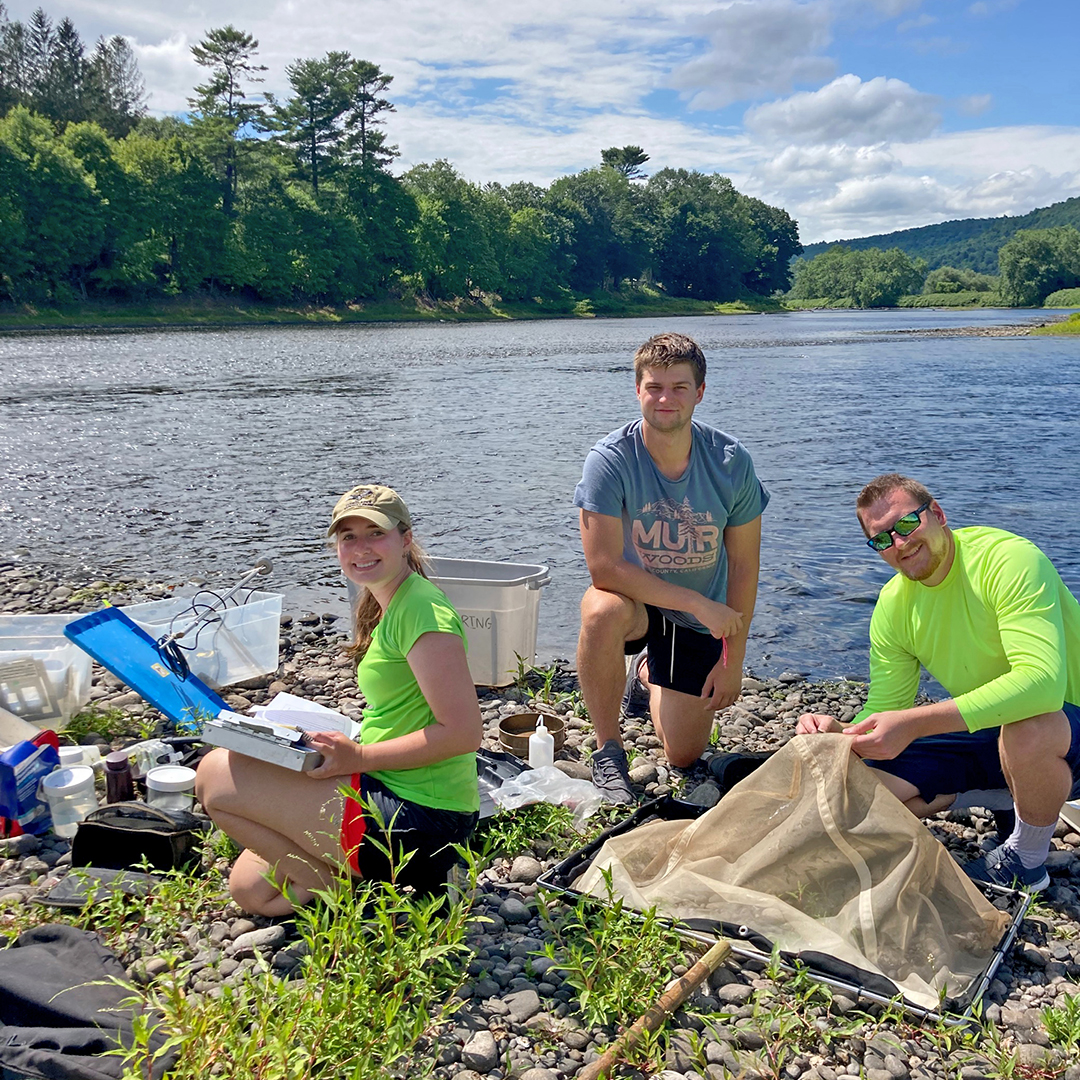 |
| DRBC staff collect samples for its Biomonitoring Program. Photo by the DRBC. |
In 2026, the DRBC will perform biological monitoring of the non-tidal Delaware River, which is protected by DRBC's Special Protection Waters regulations.
• A total of 25 sites will be sampled during August and September, targeting low flows.
• Data collected include macroinvertebrates, habitat assessment, nutrients and conventional pollutants, algae and periphyton and chlorophyll-a.
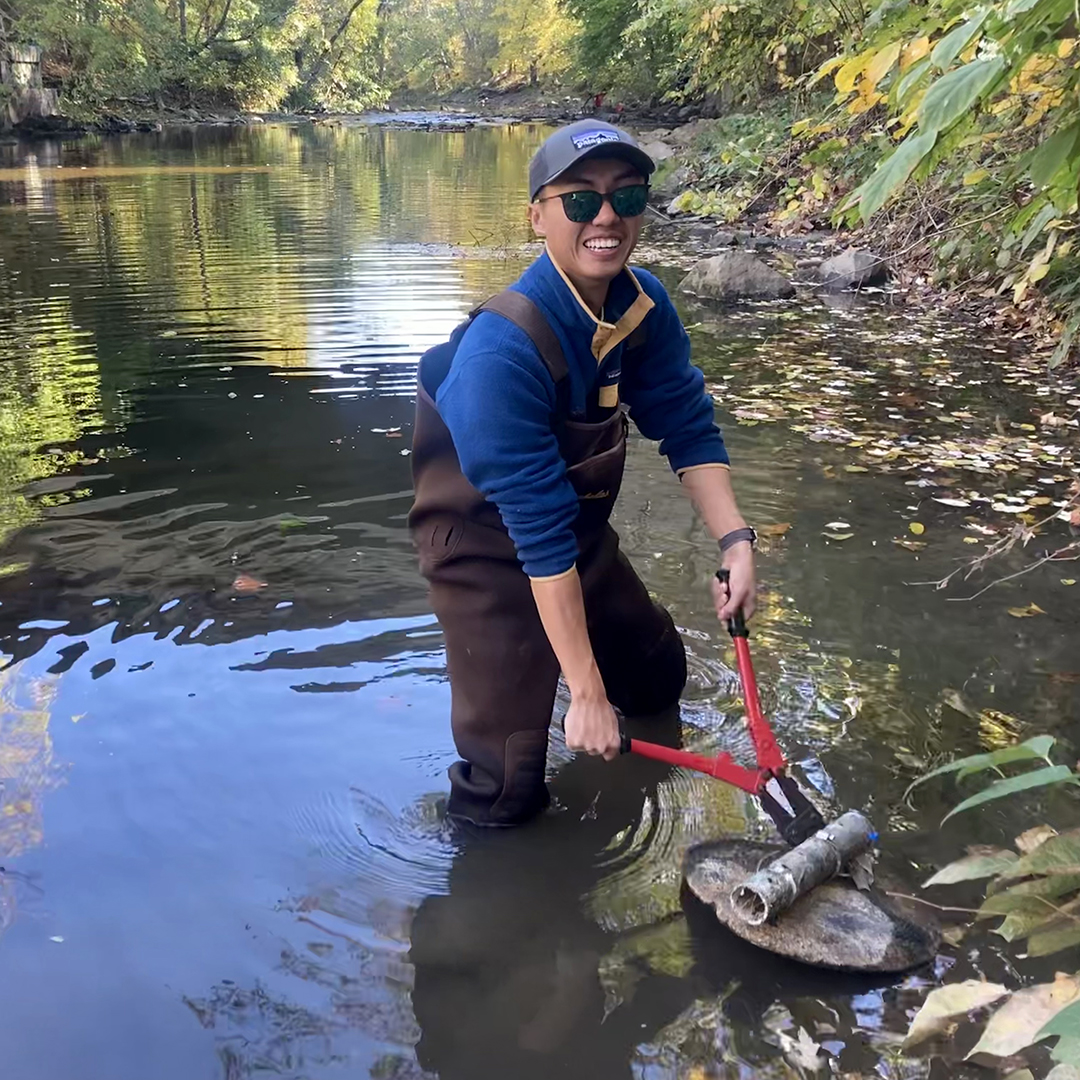 |
| DRBC staff preps a continuous data logger at a Delaware River tributary. Photo by the DRBC. |
In the non-tidal Delaware River, the DRBC's Special Protection Waters Program is effective at maintaining existing water quality. However, the one increasing trend seen is chlorides, primarily from winter road salting. While concentrations are below water quality criteria, this trend of increasing chlorides in freshwater is being monitored by the DRBC.
• DRBC is collecting data in the fall, when flows are low; any salt concentrations seen are likely from buildup in groundwater aquifers.
• DRBC is also deploying continuous loggers and collecting grab samples during the winter at several locations to document the impacts of winter deicing salt on water quality.
