Official Site of The State of New Jersey
Cannabis is legal in New Jersey, but safety still comes first
New Jersey legalized recreational cannabis for adults 21 and older in 2021, but legal doesn’t automatically mean safe for everyone and legal access comes with personal responsibility. Whether you’re a new consumer or have used cannabis before, understanding how to use, store, and purchase cannabis safely can help reduce risks for yourself and those around you. In recognition of National Safety Month, here are 10 safety tips every consumer should know.
1. Always buy legal cannabis
In New Jersey, licensed cannabis dispensaries are regulated by the New Jersey Cannabis Regulatory Commission and must comply with strict testing, packaging, labeling, and safety requirements. Only buy cannabis from licensed dispensaries. Legal products are lab-tested for potency and contaminants and sold in child-resistant packaging, complete with dosing guidelines, safety warnings, and additional information. Products bought from unlicensed sellers are not tested and may contain pesticides, mold, or other harmful substances.
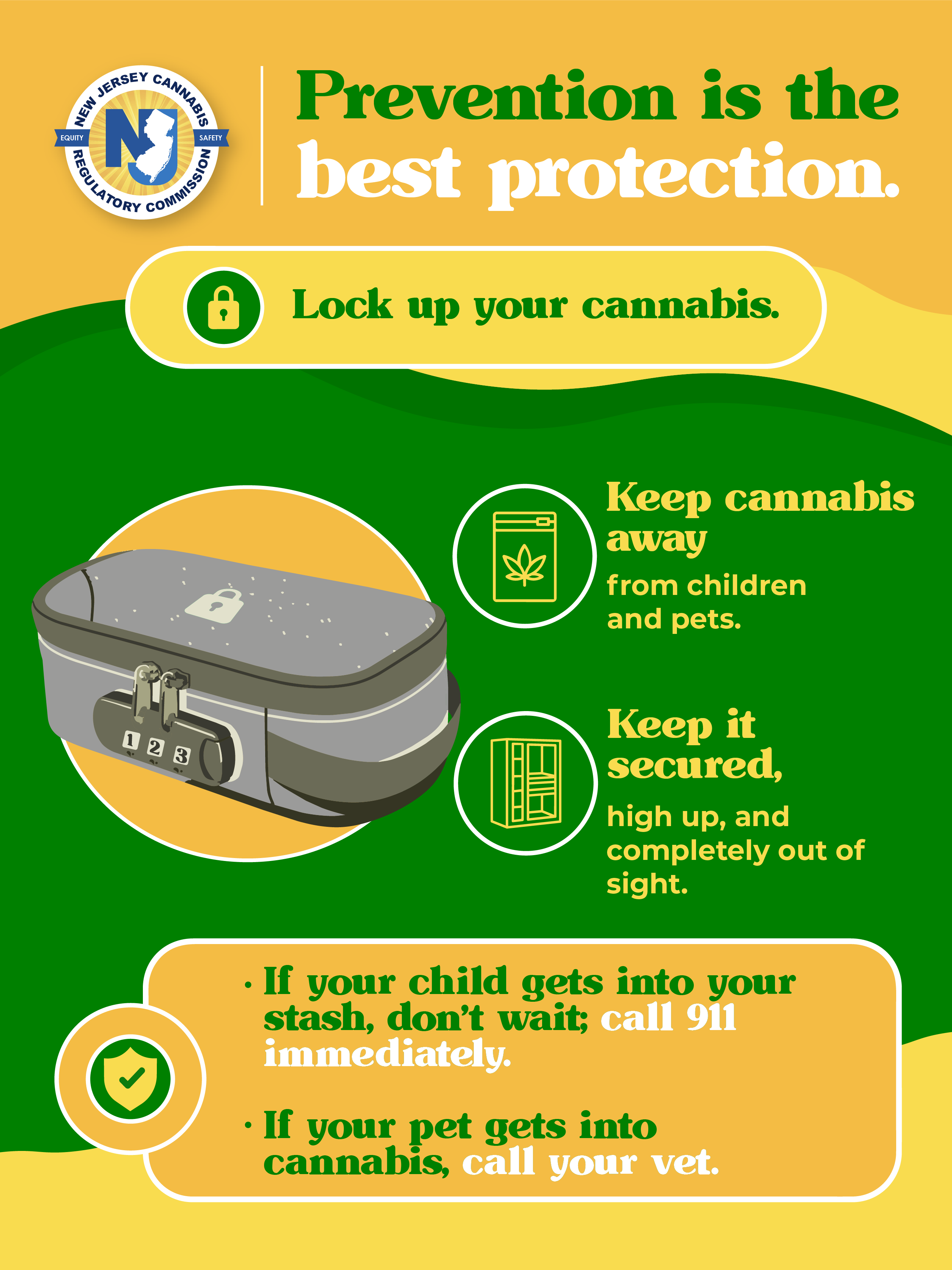 2. Store cannabis safely away from children and pets
Cannabis products, especially edibles, must be stored securely. Children and pets can easily mistake gummies or infused snacks for ordinary food. Use child-resistant, opaque containers and keep them locked or well out of reach (the same way you would store prescription medications or alcohol). Accidental ingestion by a child or pet is a medical emergency.
3. Don’t drive high
Driving while impaired by cannabis is illegal in New Jersey and genuinely dangerous. Research shows that cannabis affects reaction time, depth perception, and decision-making. Unlike alcohol, there is no breathalyzer for cannabis, but law enforcement uses field sobriety tests and drug recognition evaluations. If you’ve used cannabis in any form, use a rideshare, designate a sober driver, or use public transportation. Don't drive high.
4. Read cannabis product labels before use
Not all cannabis products are the same. THC levels, serving sizes, and ingredients vary widely. Before using any product, read the label carefully and pay close attention to serving size and dosing recommendation. It may take up to two hours to feel the effects of edibles, which may lead some people to consume too much too quickly.
5. Start low, go slow
This principle applies especially to new users or anyone trying a new product or method of consumption. Start with a small dose and give it time to take effect before consuming more. Overconsumption can cause significant discomfort, including increased heart rate, paranoia, and anxiety.
6. Keep cannabis away from people under 21
The adolescent brain continues developing well into the mid-20s, and research indicates that regular cannabis use during this period can negatively affect memory, attention, and mental health. Keep products stored out of sight and out of reach, and have open, age-appropriate conversations with young people about why they should wait to use cannabis.
7. Know who should avoid cannabis
For some individuals, cannabis carries serious health risks regardless of how responsibly it is used. You should avoid cannabis entirely if you:
- Are pregnant, trying to become pregnant, or breastfeeding. There is no established safe level of cannabis exposure during pregnancy. THC crosses the placenta and is present in breast milk, and studies link prenatal cannabis use to low birth weight, premature birth, and long-term developmental concerns in children.
- Have a personal or family history of psychosis, schizophrenia, or other serious mental health conditions. Cannabis (particularly high-THC products) can trigger or worsen psychotic episodes in vulnerable individuals.
- Have heart disease or a history of heart problems. Cannabis temporarily increases heart rate and blood pressure, which can be dangerous for people with cardiovascular conditions.
- Have a history of substance use disorder. Regular cannabis use can develop into cannabis use disorder, and for those with a prior history of addiction, the risk is higher.
If any of these apply to you, speak with your healthcare provider before using cannabis.
8. Know how cannabis interacts with medications
Cannabis is a biologically active compound that can interact with many common medications. It may amplify the effects of blood thinners, sedatives, antidepressants, and anti-seizure medications, sometimes to dangerous levels. It can also interfere with how your liver processes certain drugs. If you take any prescription or over-the-counter medication, consult your healthcare provider or pharmacist before adding cannabis to your routine.
9. Don't mix cannabis with alcohol or other intoxicating substances
Combining cannabis with alcohol can increase impairment more than either substance alone. The combination can cause rapid onset of nausea, dizziness, and disorientation, sometimes referred to as “greening out.” Mixing cannabis with other drugs, including some prescription medications, can produce unpredictable and potentially serious effects. If you choose to consume cannabis, avoid combining it with other substances.
10. Don’t be afraid to call for help
If someone around you experiences severe anxiety, confusion, chest pain, difficulty breathing, or loses consciousness after using cannabis, call 911 immediately. Fear of legal consequences should never stop you from getting help.
New Jersey’s Overdose Prevention Act provides important legal protections for people in exactly this situation. Under this law, a person who calls for emergency medical assistance for someone experiencing a drug-related emergency cannot be arrested or prosecuted for simple drug possession or being under the influence as a result of making that call. The act of seeking help is legally protected. Both the person making the call and the person receiving care are covered.
Cannabis safety doesn’t end at the point of purchase. Buy legal products, store them securely, consume responsibly, and never drive impaired.
REMINDER:
If you think you or someone else may have cannabis poisoning or toxicity, call the New Jersey Poison Center at 1-800-222-1222 or chat/text with a healthcare professional at www.njpies.org. If the person is unconscious or unresponsive, call 911.
DISCLAIMER
The information presented in this blog post is for informational purposes only and should not be used as a substitute for professional medical advice, diagnosis, or treatment. Seek advice from your physician or other qualified healthcare provider if you have any questions about a medical condition or incorporating cannabis into your treatment. Do not ignore professional medical advice or delay seeking it due to anything you may have read on this website.
Previous Blog Posts
Legit vs. Shady: How to spot a legal cannabis dispensary in New Jersey
04/27/2026
New Jersey has a regulated cannabis market with more than 300 licensed dispensaries across the state. In 2025, the NJ cannabis industry generated more than $1.16 billion in sales and $67.5 million in sales tax. With any new and lucrative industry, unlicensed operators try to cash in. Illegal marijuana isn’t just a legal risk for the business operators; it can also be dangerous for consumers. Unregulated products skip the safety testing, labeling requirements, and warnings that New Jersey law requires, and the shops don't have the guardrails in place to protect vulnerable populations like kids, teens, and young adults from gaining access to these products. Is legal cannabis on your shopping list? Here's how to spot a state-licensed cannabis dispensary:
Five years of regulation, responsibility, and growth
04/2/2026
As we approach the New Jersey Cannabis Regulatory Commission’s fifth anniversary, I’ve been reflecting on what it means to build two things at once: a new government agency and a new regulated industry. Neither comes with a roadmap. Both require patience, clarity of purpose, and the willingness to make difficult decisions in real time. In five short years, the Commission has significantly expanded access to medicinal cannabis and launched the adult-use market, which to date has generated approximately $4 billion in sales. But our success cannot be measured solely by speed; it must be measured by whether we built an industry grounded in equity, accountability, and meaningful opportunity. From the beginning, our work has been guided by a set of core principles that continue to shape every decision we make.
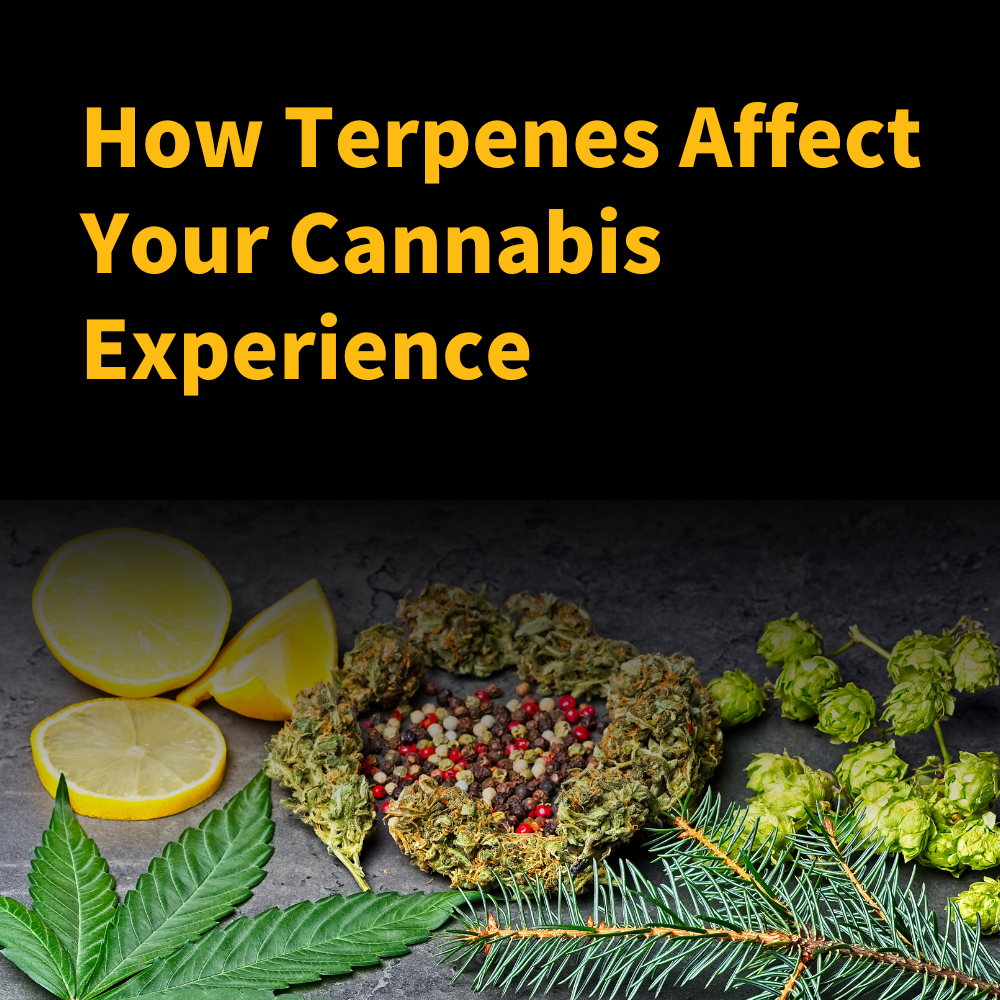
How Terpenes Affect Your Cannabis Experience
03/24/2026
Terpenes are aromatic compounds found in plants, including cannabis. They give plants their characteristic scents, help protect them from mold, fungus and other pathogens, and play a crucial role in modulating cannabis' psychoactive effects. For example, two strains with identical THC percentages can feel completely different, one may leave you sedated and the other may leave you energized. More than a hundred terpenes exist in cannabis, each with its unique aroma and potential therapeutic benefits. Terpenes are essential for shaping the plant’s impact on the human body and mind.