| State of New Jersey "Protecting Public Safety by Changing Offender Behavior" |
Commissioner Victoria L. Kuhn, Esq. |

Official blog of the New Jersey Department of Corrections. Get news, updates and stories highlighting staff, facilities, programs and community impact.
The Special Investigations Division is the Department’s internal law enforcement arm. Their responsibility is to examine sensitive incidents, review allegations of misconduct and support the safety and stability of every facility. SID’s work is deliberate and grounded in the standards that guide professional corrections. Their role is to determine facts, document findings and help the Department address concerns with confidence and clarity.
Bayside State Prison sits on a scenic stretch of land in South Jersey surrounded by open fields, tall trees, and a wide variety of wildlife. The setting gives the facility a distinct character and has inspired several creative and restorative projects within its grounds. Staff and incarcerated individuals have found ways to bring together art, nature, and community pride, turning everyday spaces into places of reflection and renewal.
The New Jersey Department of Corrections has expanded and renamed its Division of Women’s Services, marking an important step in the Department’s ongoing commitment to safety, dignity, and rehabilitation. The new unit will operate as the Division of Women and Veterans Services reflecting a broadened mission to support incarcerated veterans while continuing the Division’s established work with incarcerated women.
New Jersey marked a new chapter in women’s corrections with the groundbreaking of a purpose-built facility in Chesterfield Township, Burlington County. Governor Phil Murphy joined Commissioner Victoria L. Kuhn, Esq., and state officials for a ceremony to mark the next phase of construction of a new women’s correctional facility and reflect on the last four years of reform l at the Edna Mahan Correctional Facility (EMCF).
NJLEAD providers recently visited Bayside State Prison to meet with incarcerated individuals and share information about the programs and services that will be available to them after release. The visit focused on helping people begin the reentry process early by introducing them to trusted community organizations that can support their next steps.
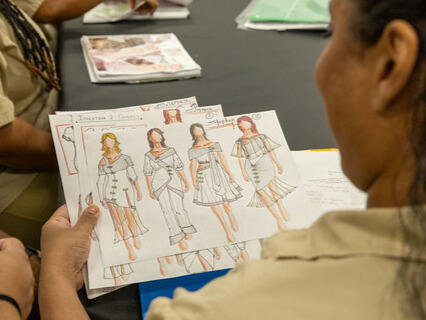
The New Jersey Department of Corrections has launched a new fashion design and workforce development program at Edna Mahan Correctional Facility in partnership with Pratt Institute. Supported by the NJDOC’s DEPTCOR and the Division of Women’s Services, the program is one of the first of its kind in the United States, joining similar international efforts in Milan, Italy, and London, England.
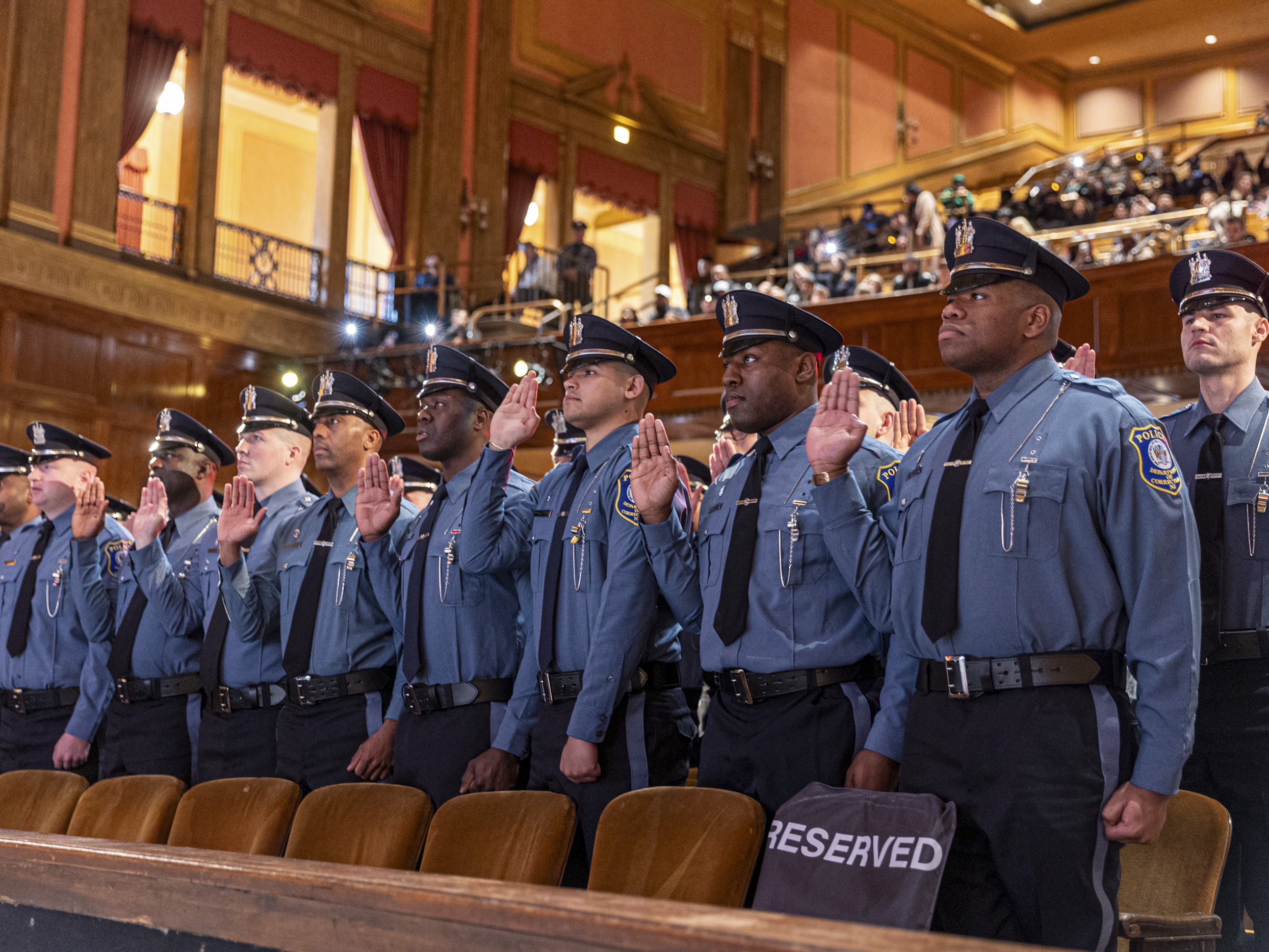
A new chapter begins for 139 correctional police officers. On August 12, NJDOC celebrated the graduation of Class 258 at a ceremony held at the Patriots Theater in Trenton. Family and friends filled the seats to honor the 17 weeks of rigorous academic training and physical preparation these new officers completed.
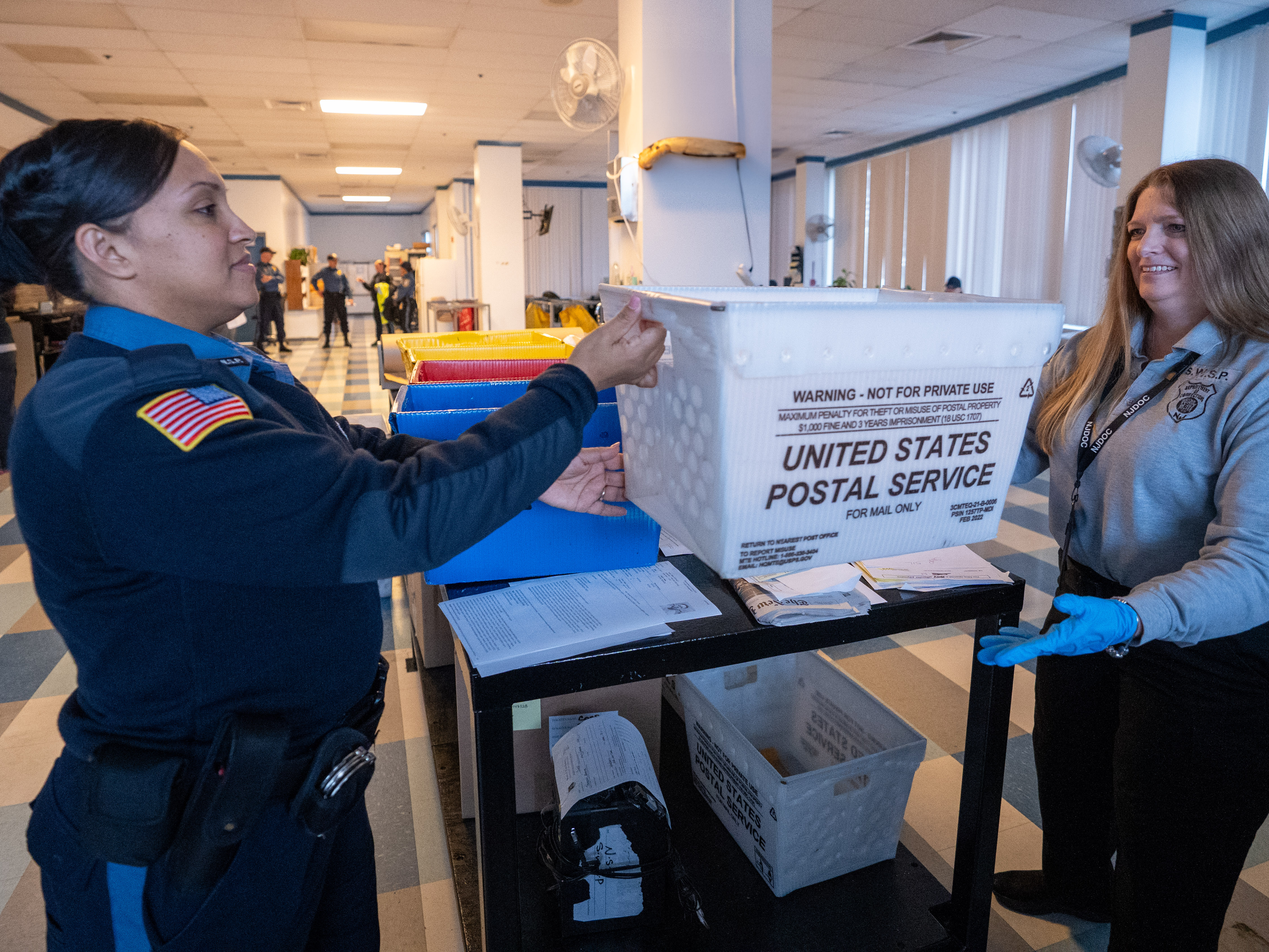
The New Jersey Department of Corrections (NJDOC) recently introduced a new mail scanning system across all state facilities to improve safety and protect the integrity of communication for incarcerated individuals.
The New Jersey Department of Corrections (NJDOC) is taking strong steps to address the intergenerational impacts of parental incarceration through a new partnership with Give Something Back (Give Back), a nonprofit organization that provides long-term coaching and academic support to underserved youth. This new program adds to NJDOC’s broader reentry strategy, and aims to end the cycle of incarceration by providing long-term academic support to justice-impacted youth.
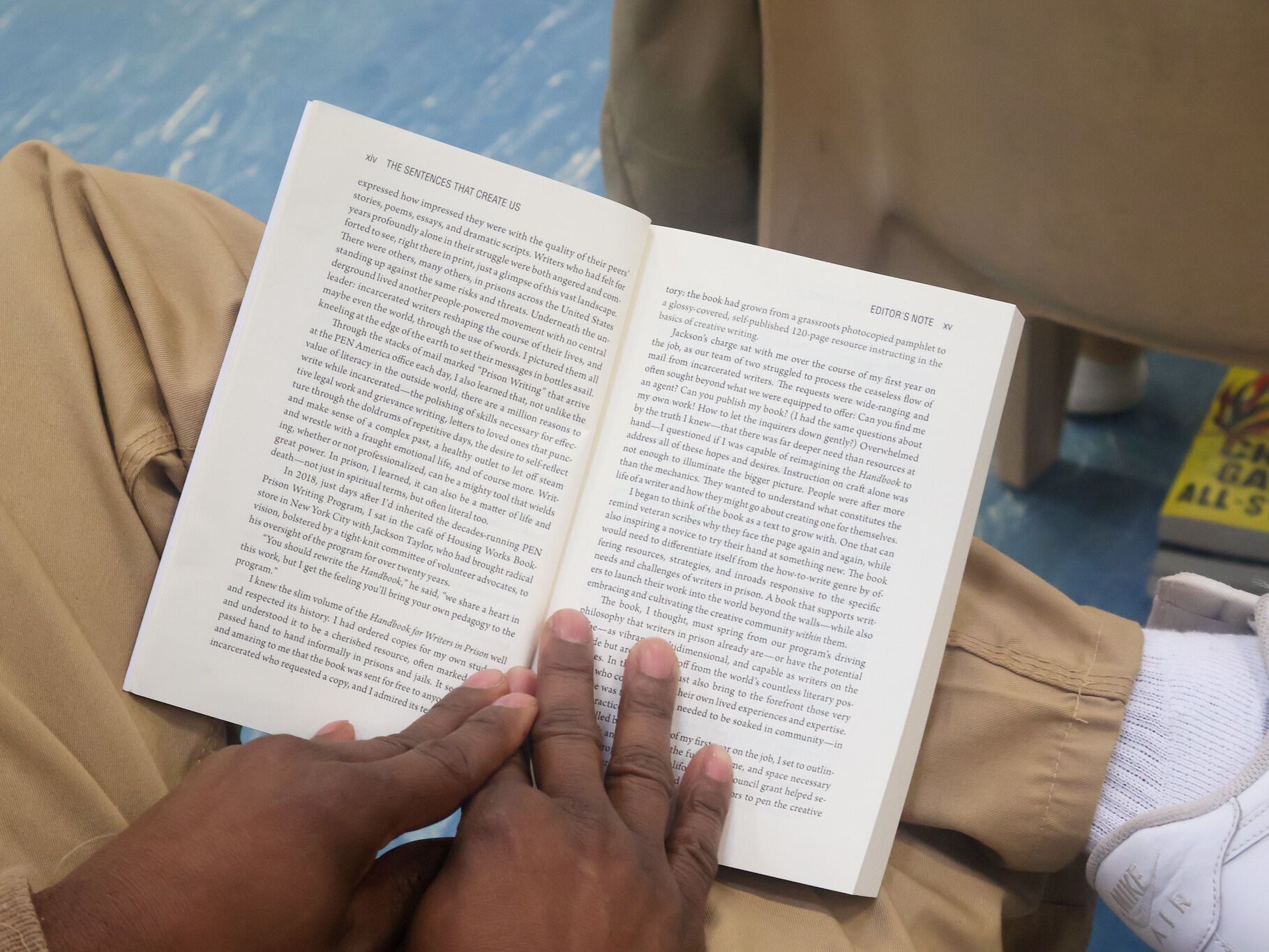
The New Jersey Department of Corrections partnered with Freedom Reads to bring 37 new libraries into state correctional facilities. Ten were created inside living units at the Edna Mahan Correctional Facility (EMCF) and another 27 were placed throughout Northern State Prison (NSP). The addition of Freedom Libraries in New Jersey highlights how small but intentional changes can influence the culture inside correctional institutions.