Official Site of The State of New Jersey
Five years of regulation, responsibility, and growth
As we approach the New Jersey Cannabis Regulatory Commission’s fifth anniversary, I’ve been reflecting on what it means to build two things at once: a new government agency and a new regulated industry. Neither comes with a roadmap. Both require patience, clarity of purpose, and the willingness to make difficult decisions in real time.
In five short years, the Commission has significantly expanded access to medicinal cannabis and launched the adult-use market, which to date has generated approximately $4 billion in sales. But our success cannot be measured solely by speed; it must be measured by whether we built an industry grounded in equity, accountability, and meaningful opportunity.
From the beginning, our work has been guided by a set of core principles that continue to shape every decision we make.
Equal Opportunity, Not Guaranteed Outcomes
Our responsibility has always been to ensure equal opportunity, not equal outcomes. Before the Commission existed, New Jersey’s cannabis program forced applicants to compete against one another for a small number of permits. This structure created artificial scarcity and limited opportunity. We deliberately decided to break away from that model. Instead of rationing opportunity, we established an open licensing framework designed to lower barriers to entry and allow anyone with the determination and preparation to participate.
This shift has helped create one of the most diverse cannabis markets in the country, with companies both large and small and a significant portion of our licenses held by Diversely-Owned businesses.
But equity is often misunderstood. Many people champion free-market competition in theory. Yet once they obtain a license, some begin calling for protectionist measures that would limit competition and shield their own business from market forces. That instinct is understandable, but it runs counter to our mission.
The role of government is not to guarantee the financial success of individual companies. Its role is to ensure that everyone has a fair chance of competing.
As I said years ago, concerns about a cannabis industry dominated by a narrow segment of society are legitimate, but only if government fails to act. Our responsibility is to take affirmative steps to lower barriers and create meaningful opportunities for participation regardless of background.
Supporting Businesses Without Running Them
We are regulators, not operators.
It is up to each business to define its own success. The Commission cannot, and should not, run companies on behalf of their owners. What we can do is educate, listen, and create pathways for businesses to make informed decisions.
We have held numerous roundtables and stakeholder discussions to understand the real-world challenges businesses face. These conversations allow us to identify obstacles and provide guidance, resources, and policy adjustments where appropriate.
Our goal is not to dictate how businesses should operate. It is to ensure they have the tools and regulatory clarity needed to operate responsibly and sustainably.
Equity Requires Shared Responsibility
Equity does not happen automatically, and it cannot be achieved by government alone.
State government must ensure that its policies do not create an uneven playing field. But equity also depends on the actions of banks, investors, landlords, suppliers, and local governments. These private-sector actors play a decisive role in determining whether businesses can access capital, secure property, get through local approval and permitting processes without undue hassle, and survive long enough to succeed.
Too often, businesses face overwhelming financial pressures before they even open their doors: high municipal licensing fees, expensive facility rents, mandatory attorney representation for local planning or zoning approvals, steep contractual obligations, and limited access to startup capital. These challenges are compounded by systemic inequities that predate legalization itself.
When businesses struggle, it is easy to blame licensing timelines or regulatory decisions. But the most significant barriers are often structural: access to capital, the ability to scale operations and drive down costs, and financial obligations imposed outside the Commission’s control.
Private-sector partners must recognize their responsibility to ensure equity becomes a reality. Without fair access to capital, property, and investment, even the most thoughtfully designed regulatory system cannot fully achieve its intended goals.
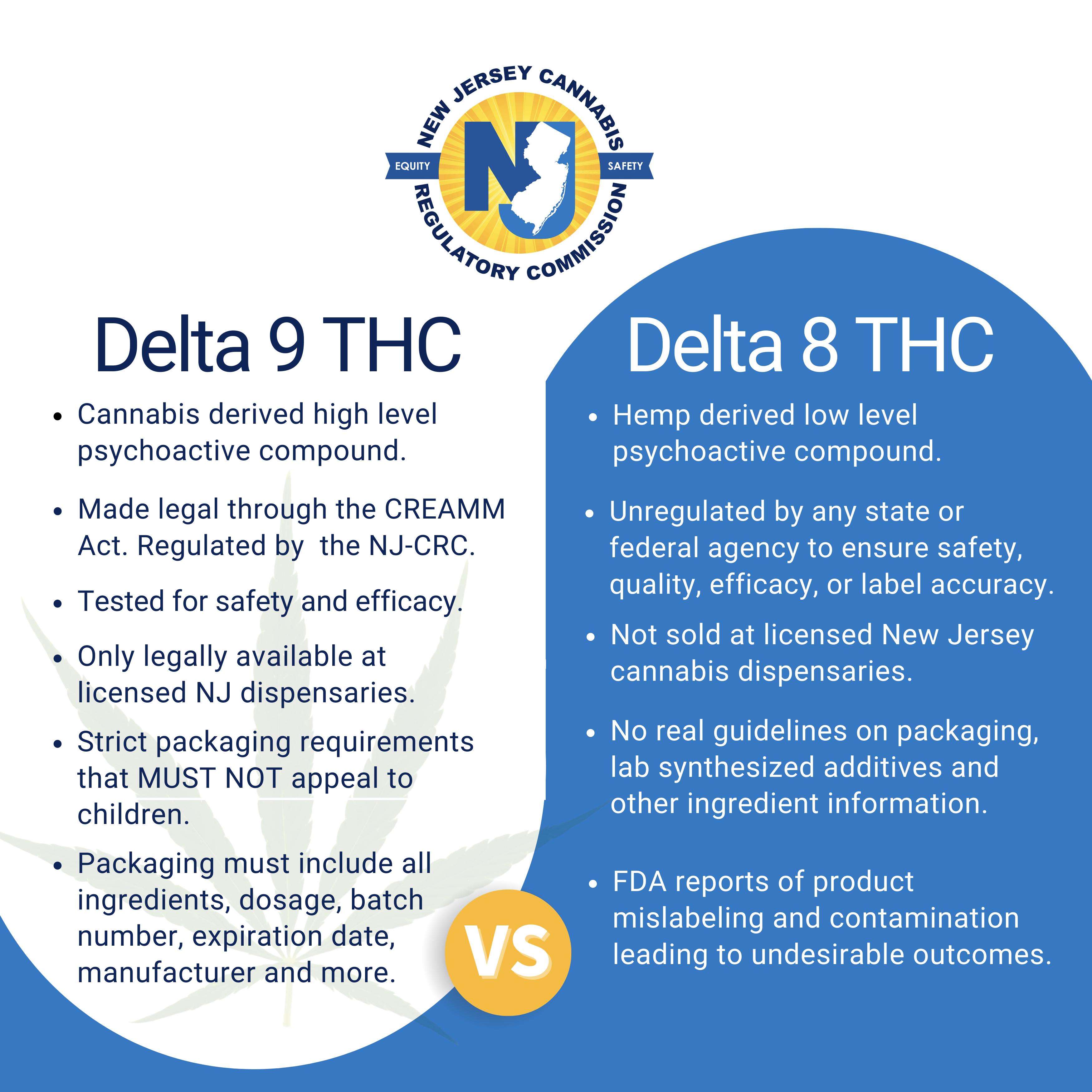
The prevalence of unregulated businesses selling intoxicating products presents a significant problem that local governments, law enforcement agencies, and private-sector partners must address collectively. Unlicensed operators often undercut regulated businesses that strive to meet strict safety, testing, and compliance standards. This not only makes it harder for licensed businesses to thrive but also unravels the progress the Commission and licensed businesses have made toward promoting safe, responsible cannabis use and minimizing cannabis exposure to kids and other vulnerable groups. It additionally takes away funds from the communities and programs that legalization aimed to support. As the legal market continues to take shape, it becomes increasingly important to tackle illicit sales to ensure New Jersey's cannabis market is driven by responsible operators. A coordinated approach that combines enforcement, clear regulation, and public education is essential for transitioning consumers into the regulated market and fully achieving the state’s safety and equity goals.
Adapting to a Rapidly Evolving Industry
Cannabis regulation is not static. It evolves alongside science, markets, and the need to properly manage expectations.
The Commission has worked continuously to adapt. We have modified policies where possible, issued guidance to clarify requirements, and developed creative solutions to emerging challenges.
This flexibility has allowed us to respond to real-world conditions while maintaining our commitment to safety, fairness, and transparency.
Building an Agency with Integrity
Creating a new regulatory agency requires writing rules and building trust.
One of our most important responsibilities has been managing expectations honestly. Cannabis legalization was never a cure-all for systemic inequities. It is one piece of a broader effort to expand opportunity and correct historical injustices. Meaningful change requires sustained effort across multiple sectors.
Integrity also requires clear communication. We have engaged extensively with stakeholders through public meetings, roundtables and webinars, surveys, FAQs, and direct outreach. These efforts have helped reshape how many people interact with government, not as a distant authority, but as a transparent partner in building a new system.
I would like to commend the exceptional work of the Office of Diversity and Inclusion, our Communications Unit, Licensing team, and Office of Compliance and Investigations. These units worked to share critical information and gather important information to shape the industry’s governing rules. Their efforts have significantly enhanced the Commission’s relationship with the communities we serve.
Our commitment to integrity also means grounding decisions in data, not in speculation or volume of public opinion. We have worked diligently to ensure our policies are supported by quantitative analysis and evidence. This approach strengthens our decision-making and ensures fairness across the board.
Transparency and accountability are equally essential. We hold all businesses to the same standards, regardless of size. Large companies and small businesses alike must comply with the law. Violations are addressed based on their seriousness, not based on a company’s revenue or influence.
At the same time, we recognize that penalties can create financial strain. Where appropriate, we offer payment plans to ensure accountability does not become an insurmountable barrier to continued compliance.
Rules are valuable only when they are enforced consistently and fairly. This consistency is crucial for building trust not just with the public, but also with the businesses we regulate.
Measuring Success by Opportunity and Trust
Five years ago, the Commission existed only on paper. Today, it oversees a functioning, diverse, and expanding industry that provides medical access, economic opportunity, and consumer protections to millions of New Jersey residents.
Our work is not finished. Building a fair and responsible cannabis industry is an ongoing process that requires collaboration, transparency, and continuous improvement.
If we continue to communicate openly, uphold consistent standards, and ensure that every participant has a fair opportunity to succeed responsibly, New Jersey’s cannabis industry will remain a model for others.
I am deeply grateful to the Commission’s personnel, our stakeholders, and the regulated community for their partnership in building this system from the ground up. Their dedication has made these first five years possible and will shape the success of the years ahead.
Previous Blog Posts
Legit vs. Shady: How to spot a legal cannabis dispensary in New Jersey
04/27/2026
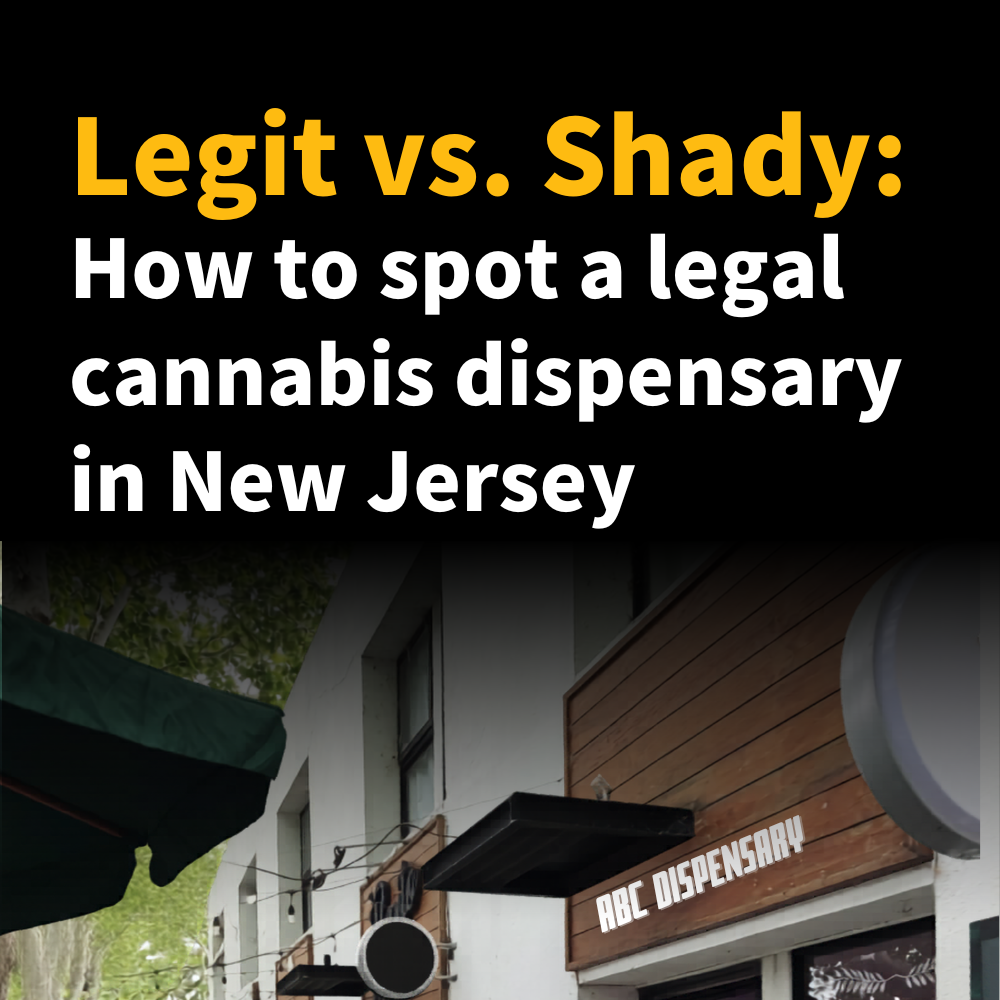
New Jersey has a regulated cannabis market with more than 300 licensed dispensaries across the state. In 2025, the NJ cannabis industry generated more than $1.16 billion in sales and $67.5 million in sales tax. With any new and lucrative industry, unlicensed operators try to cash in. Illegal marijuana isn’t just a legal risk for the business operators; it can also be dangerous for consumers. Unregulated products skip the safety testing, labeling requirements, and warnings that New Jersey law requires, and the shops don't have the guardrails in place to protect vulnerable populations like kids, teens, and young adults from gaining access to these products. Is legal cannabis on your shopping list? Here's how to spot a state-licensed cannabis dispensary:
Five years of regulation, responsibility, and growth
04/2/2026
As we approach the New Jersey Cannabis Regulatory Commission’s fifth anniversary, I’ve been reflecting on what it means to build two things at once: a new government agency and a new regulated industry. Neither comes with a roadmap. Both require patience, clarity of purpose, and the willingness to make difficult decisions in real time. In five short years, the Commission has significantly expanded access to medicinal cannabis and launched the adult-use market, which to date has generated approximately $4 billion in sales. But our success cannot be measured solely by speed; it must be measured by whether we built an industry grounded in equity, accountability, and meaningful opportunity. From the beginning, our work has been guided by a set of core principles that continue to shape every decision we make.

How Terpenes Affect Your Cannabis Experience
03/24/2026
Terpenes are aromatic compounds found in plants, including cannabis. They give plants their characteristic scents, help protect them from mold, fungus and other pathogens, and play a crucial role in modulating cannabis' psychoactive effects. For example, two strains with identical THC percentages can feel completely different, one may leave you sedated and the other may leave you energized. More than a hundred terpenes exist in cannabis, each with its unique aroma and potential therapeutic benefits. Terpenes are essential for shaping the plant’s impact on the human body and mind.