 Official Site of The State of New Jersey
Heat Safety Guide
Essential guidance for World Cup visitors and residents during hot weather this summer.

Check the National Weather Service forecast before match day. Heat advisories are issued when conditions become dangerous. Find cooling resources at the NJDEP Heat Hub.
Know the Warning Signs
Knowing the difference between heat exhaustion and heat stroke can save a life. Heat stroke is a medical emergency, act immediately.

Heat Exhaustion
- Heavy sweating and rapid, weak pulse
- Cool, moist skin (may have goosebumps despite the heat)
- Dizziness, fatigue, and muscle cramps
- Nausea or mild headache
Action Required
Move to a cool place, drink water slowly, and apply cool compresses. Seek medical care if symptoms worsen.

Heat Stroke
- Body temperature 103°F (39.4°C) or higher
- Hot, red, dry or damp skin (stopped sweating)
- Rapid, strong pulse and severe headache
- Confusion, slurred speech, or loss of consciousness
Life-Threatening — Call 911 Immediately
Do not give fluids. Cool the person by any available means until emergency services arrive.
Prevention
Most heat-related illness is preventable. Follow these steps before and during your time outdoors.
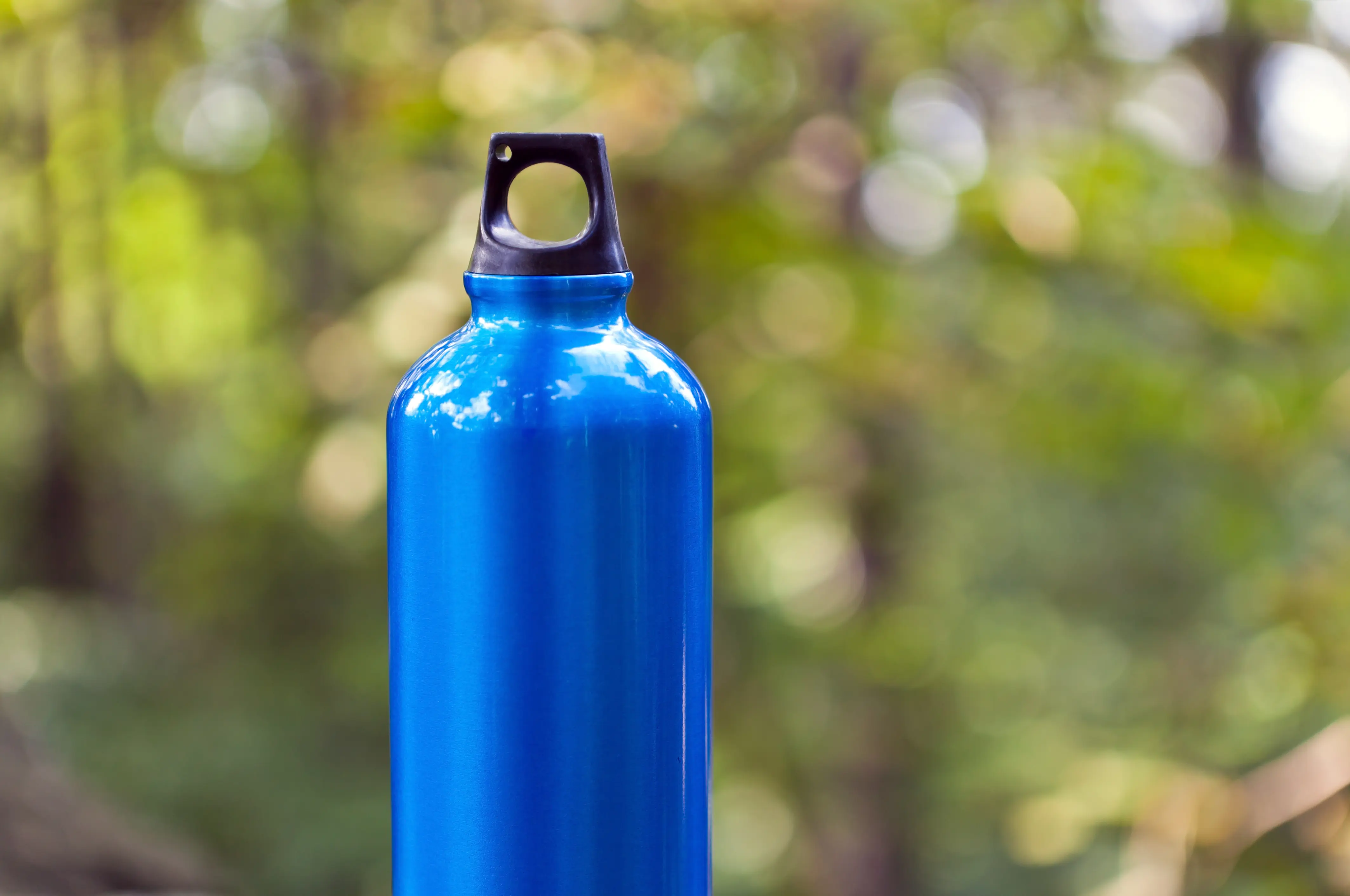
1. Stay Hydrated
Drink more water than usual, regardless of your activity level. Do not wait until you feel thirsty. Avoid alcohol and sugary drinks, which increase fluid loss.

2. Wear Light Gear
Choose lightweight, light-colored, loose-fitting clothing. A wide-brimmed hat and sunglasses provide essential protection from UV rays and reduce heat absorption.

3. Protect Your Skin
Sunburn reduces your body's ability to cool down. Apply SPF 15+ sunscreen every 2 hours, even on cloudy match days.
Staying Hydrated
Dehydration sets in faster than most people expect in hot weather, especially in a crowded stadium environment. Drink water consistently throughout the day, not just when you feel thirsty.
- Drink water before you leave for the match, not just once you arrive
- Sports drinks can help replace electrolytes lost through sweating during extended outdoor exposure
- Check whether you can bring a sealed water bottle into the venue before match day
For more guidance on hydration and food safety at outdoor events visit FDA Outdoor Food Safety.
What to Do if Someone Shows Signs of Heat-Related Illness
If you or someone near you shows signs of heat-related illness, act quickly.
- Move the person to a cool, shaded area or air-conditioned space immediately
- Remove excess clothing and loosen tight garments
- Apply cool, wet cloths to the skin, especially the neck, armpits, and groin
- Give cool water to drink slowly if the person is conscious and able to swallow
- Fan the person to help lower body temperature
Signs of heat stroke — call 911 immediately
If the person stops sweating, becomes confused, loses consciousness, or has a body temperature above 103°F (39.4°C), call 911 immediately. Do not give fluids. Keep cooling the person until emergency services arrive.
Heat Safety Downloads
World Cup 2026
Not Sure Where to Get Care?
Our Medical Care page explains your options, from urgent care to emergency rooms, so you can find the right level of care quickly.
Find the right level of careMedical emergency? Call 911 · Find urgent care: Call 211 · Poison control: 800-222-1222